
Last updated November 15, 2026
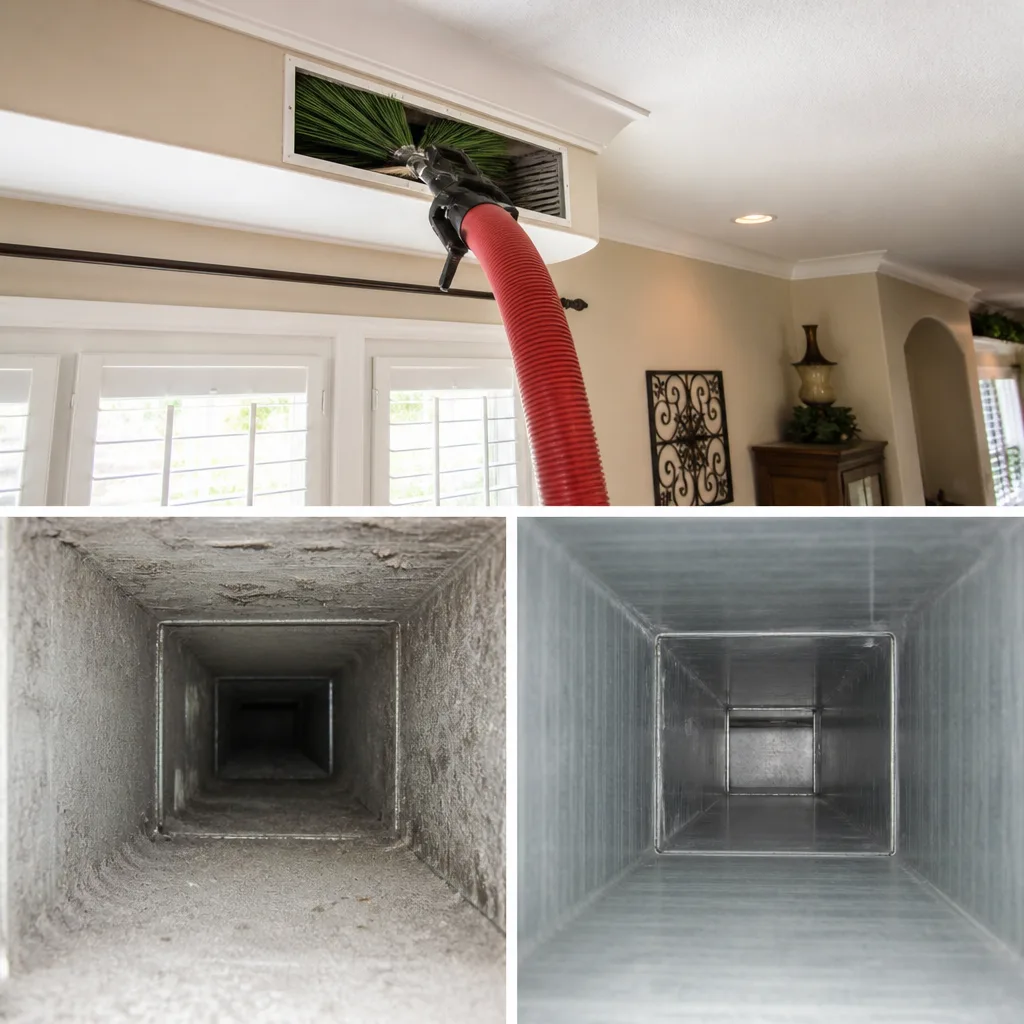 Whole-home duct cleaning
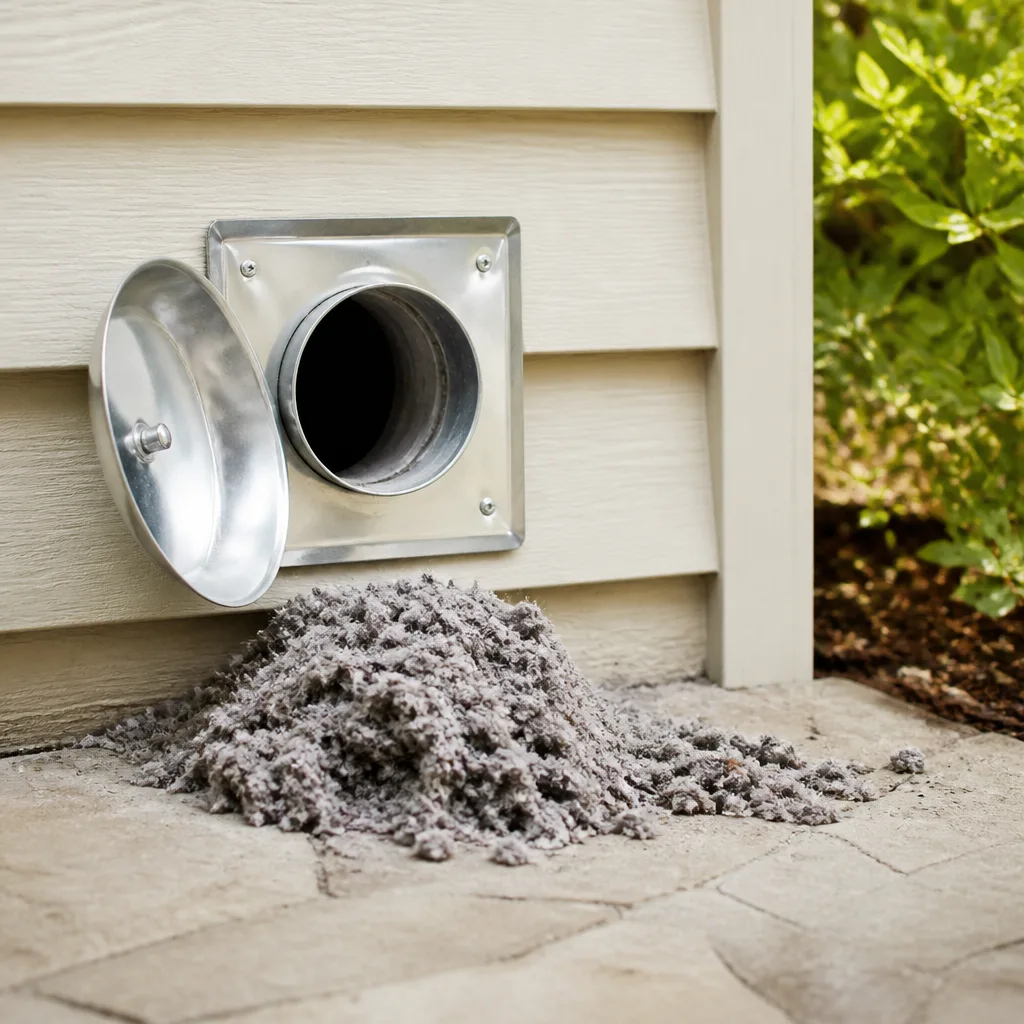 Dryer vent cleaning
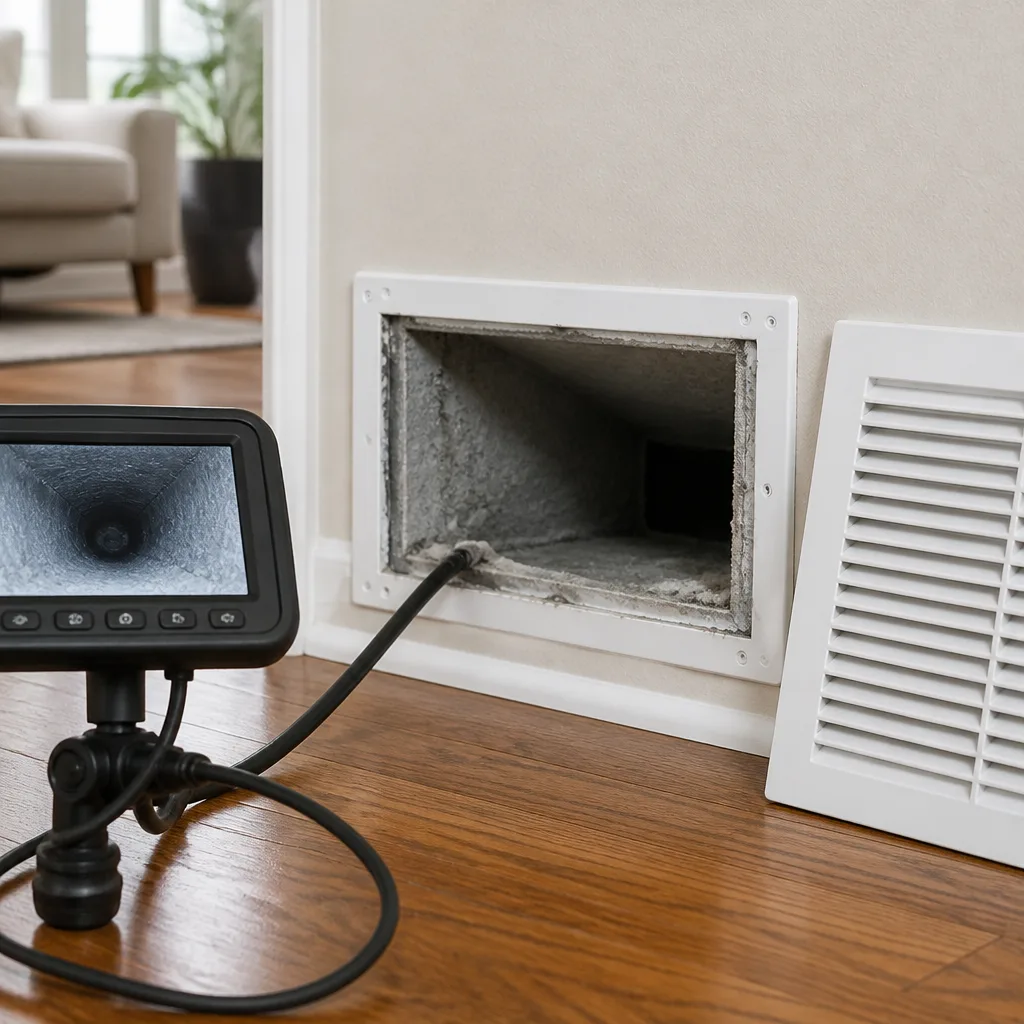 Camera inspection
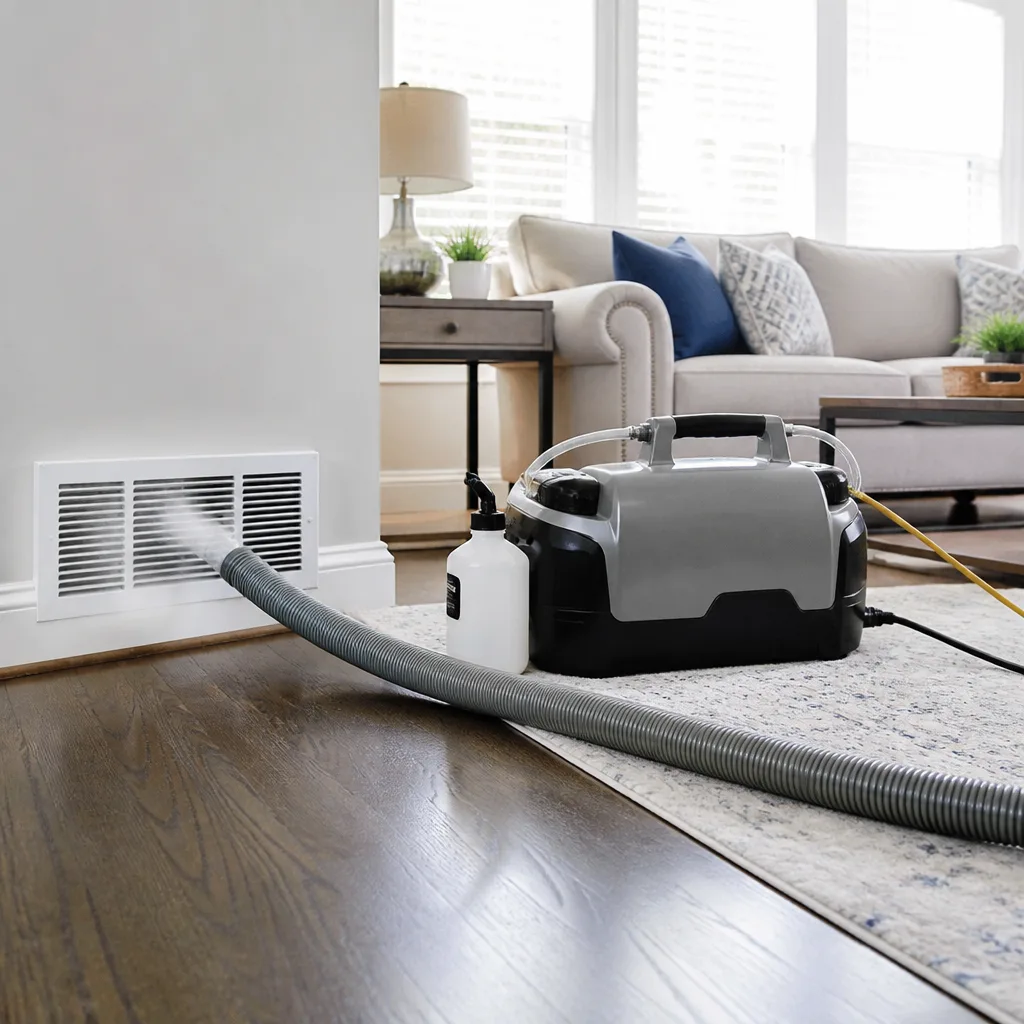 Sanitizing & deodorizing
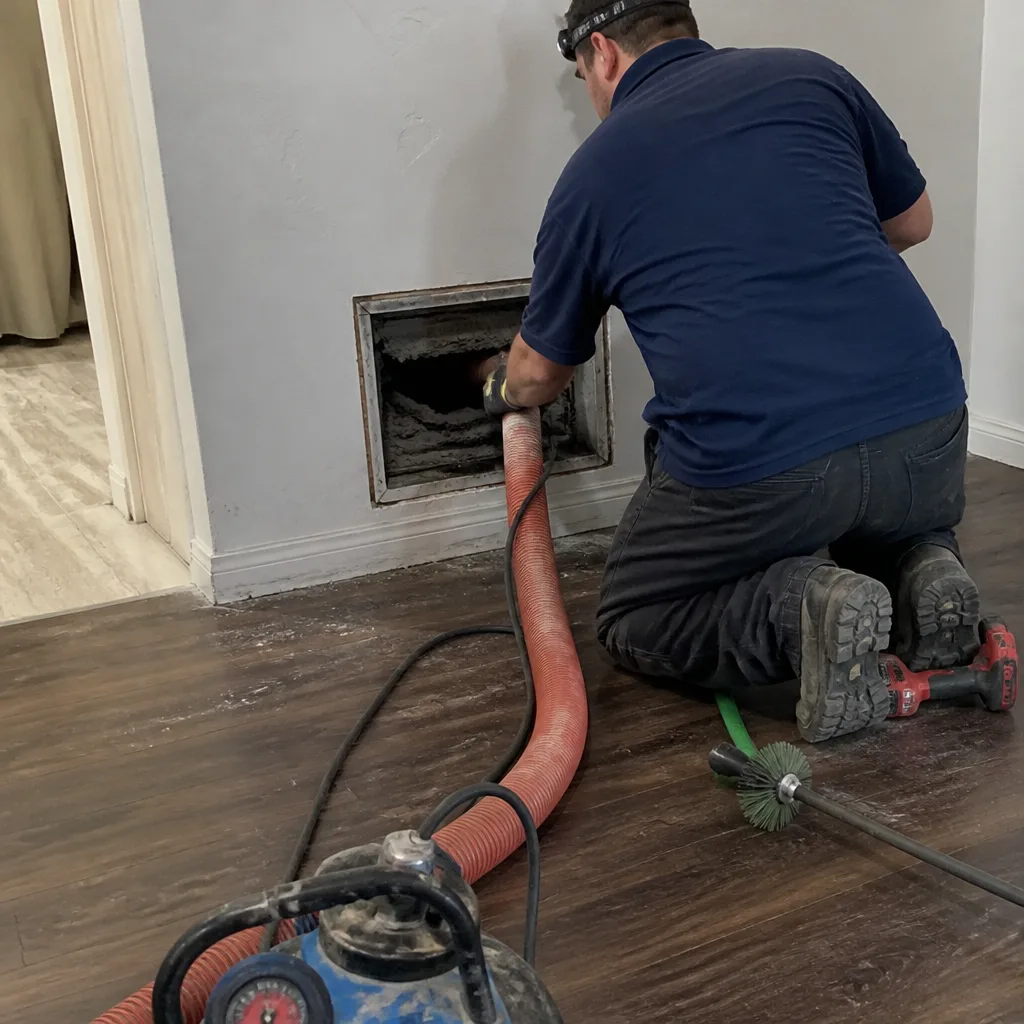
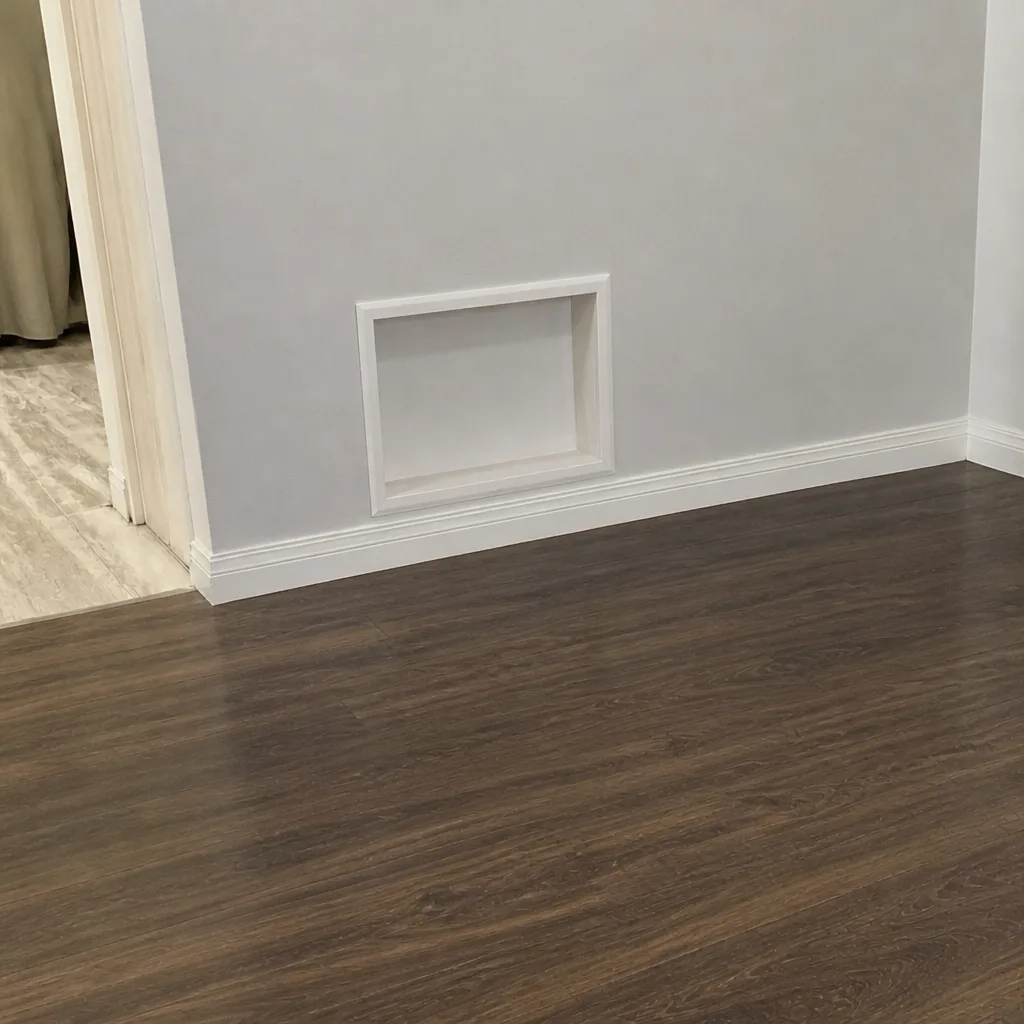
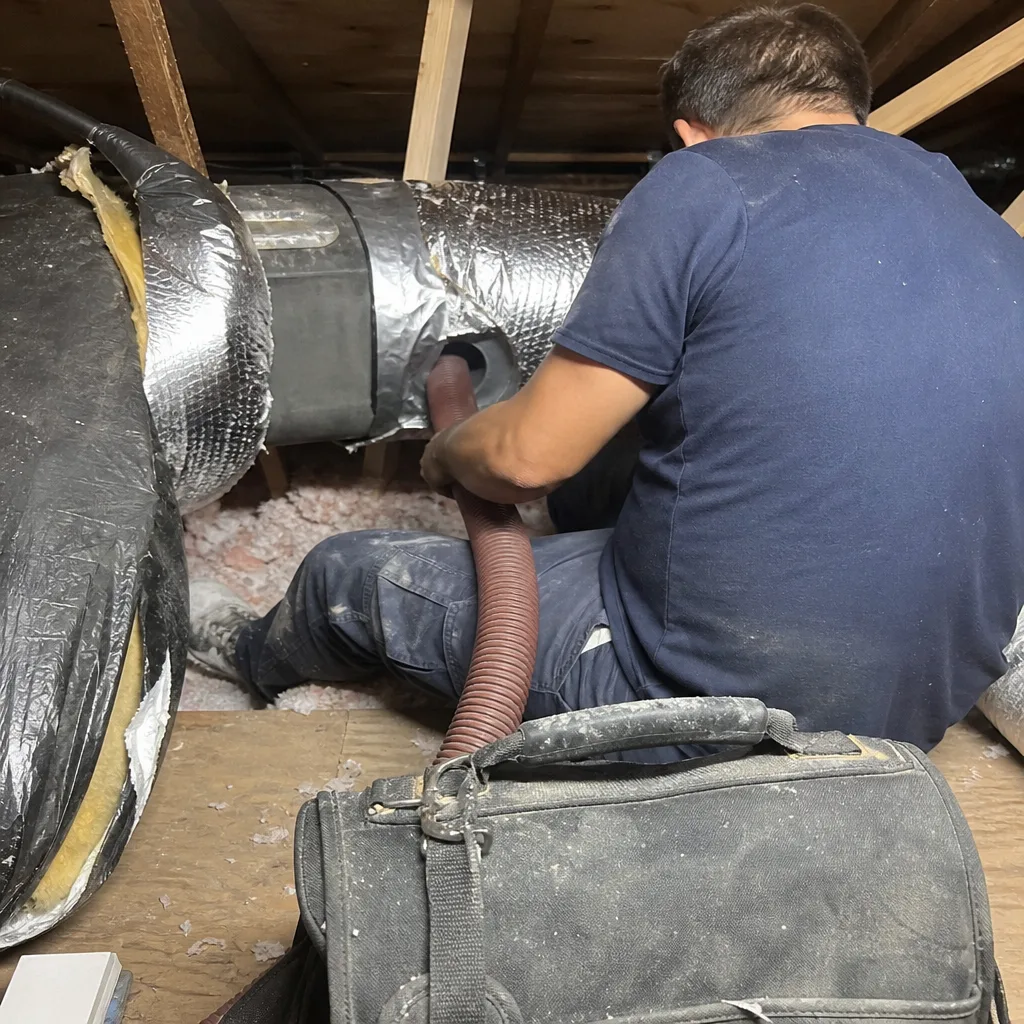
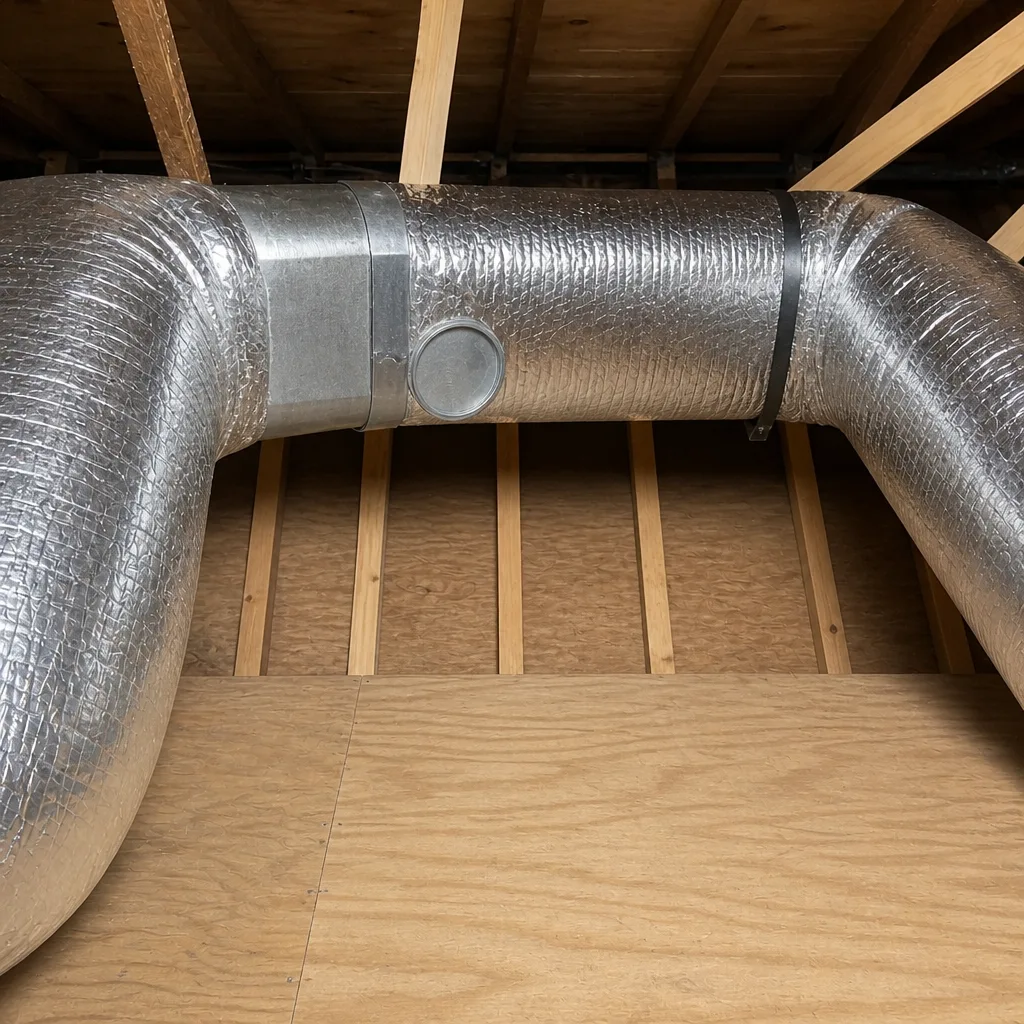
Whole-system duct and dryer vent check with before-and-after photos - you see exactly what came out of your vents
That "$99 whole-house special" is a bait ad - the real number appears once they are in your hallway, or the "clean" is a shop-vac at the register. We photograph the inside of your ducts before and after instead.
Air Duct Cleaning Permits, Codes & Inspections in St. Petersburg, FL: What You Need to Know
The question isn’t whether duct cleaning needs a permit. It usually doesn’t. The question is what happens when a technician opens your air handler, finds deteriorating flex duct, and starts replacing sections without pulling the mechanical permit Florida requires. In St. Petersburg, that gap between “cleaning” and “construction” is where homeowners get stuck with liability they never agreed to. This guide explains which Florida Building Code provisions govern duct work, how Florida Statute 489 changes the game when mold is involved, how to check a contractor’s scope against the permit threshold, and what records to keep afterward. It’s written for people who want to know exactly who is responsible for what.
Quick Answer
Cleaning the interior of your ducts is maintenance work and doesn’t require a permit in St. Petersburg. Replacing, rerouting, or extending ductwork, modifying an air handler, or performing mold remediation does trigger requirements – a mechanical permit under the Florida Building Code for duct alterations, and specific licensing plus notification rules under Florida Statute 489 when mold is present. Ask your contractor which category your job falls into before anyone starts cutting.
Styles & brands we work with
- Whole-home duct cleaning
- Dryer vent cleaning
- Camera inspection
- Sanitizing & deodorizing
Table of Contents
- Cleaning vs. Construction: Where the Permit Line Falls
- What the Florida Building Code Says About Duct Work
- Mold Discovered Mid-Clean: Statute 489 and Licensing
- How to Verify a Contractor’s Scope of Work
- HOA and Condo Association Rules in St. Pete
- What a Duct-Related Inspection Actually Involves
- Documentation to Keep After Any Duct Service
- Common Mistakes to Avoid
Cleaning vs. Construction: Where the Permit Line Falls
Most duct cleaning in St. Petersburg is cleaning, and cleaning isn’t construction. Running a Rotobrush or Nikro system through your supply and return runs, pulling debris out of the main trunk, and sanitizing the interior doesn’t alter the structure of your home’s air system. No permit applies to that.
The line moves the moment the work becomes physical modification. Replacing a section of crushed flex duct, adding a return, rerouting a run to accommodate a renovation, cutting a new opening in the air handler cabinet, or sealing and re-insulating ductwork in a way that changes its configuration all touch the mechanical code. Those actions typically require a mechanical permit from the City of St. Petersburg’s building department.
Here’s the practical split:
- Cleaning only: No permit. Includes brush and vacuum contact with duct interiors, register and grille removal for access, and coil cleaning where the coil is accessed through an existing panel.
- Duct repair or replacement: Mechanical permit required. Includes new flex runs, trunk line replacement, duct sealing that changes airflow configuration, and any work that opens the building envelope or alters the mechanical system’s layout.
- Air handler modification: Mechanical permit required. Includes cutting new access panels, replacing the cabinet, or altering plenum connections.
- Mold remediation: Separate licensing and notification requirements apply. Covered below.
In our experience, the confusion happens because duct repair and duct cleaning often show up on the same invoice. A homeowner calls for a clean, the technician notices deteriorated insulation inside a run, and suddenly there’s a repair recommendation. That recommendation is legitimate. What matters is whether the contractor pulls the permit before doing it – and whether you, as the homeowner, are the one holding the open permit when the work is inspected.
This is the point where Shield Air Duct Cleaning operates differently. We do cleaning and repair, but we don’t blur them. When our technicians find compromised ductwork during an air duct cleaning, we document it, explain what’s required, and let you decide how to proceed with full awareness of the permit question.
What the Florida Building Code Says About Duct Work
The Florida Building Code, Mechanical Volume, governs duct installation and alteration across the state, and Pinellas County follows it with local amendments administered through the City of St. Petersburg. The relevant provisions deal with duct sizing, material standards, sealing requirements, and the conditions under which duct work constitutes an alteration that requires permitting.
You don’t need to read the code yourself to ask good questions. You need to know what the code covers so you can spot a contractor who’s pretending it doesn’t exist.
What the code governs, in general terms:
- Duct material and construction: Duct systems must meet specified standards for material, thickness, and closure. Flex duct has to be installed to manufacturer specifications, including support spacing, minimum bend radius, and proper connection to collars and boots.
- Sealing: Duct joints and seams must be sealed to limit leakage. This matters in St. Petersburg because duct systems in unconditioned attic spaces lose significant cooling to leakage – a repair that doesn’t address sealing isn’t a complete repair.
- Support and routing: Ducts must be supported and routed without crushing or excess bends. Sagging, kinked flex duct is one of the most common problems we find in older St. Petersburg homes with attic-mounted systems.
- Access: The code requires access to certain components – filters, coils, and some duct connections – so mechanical systems can be serviced. A contractor who seals off access to install a “cleaner” system has created a code problem for the next person who needs to service it.
Permitting enters when the work qualifies as new installation or alteration. Replacement of a duct run that’s failed or been crushed counts as alteration. Cleaning it doesn’t. Adding a duct run to serve a new room addition definitely does.
The Florida climate adds a specific concern the code addresses indirectly: duct systems running through unconditioned attics in St. Petersburg’s summer heat lose efficiency when insulation is compromised. When our technicians run air duct repair work, we check the insulation integrity of every run, not just the interior cleanliness. A duct that’s clean on the inside and bare on the outside is still a problem.
The question to ask your contractor is simple: “Does this repair require a permit, and are you pulling it?” A contractor who can’t answer that cleanly is telling you something important.
Mold Discovered Mid-Clean: Statute 489 and Licensing
Florida Statute 489 governs licensing for contractors and includes specific provisions for mold assessment and mold remediation. This is where duct cleaning stops being routine and starts requiring a different set of credentials entirely.
Here’s the scenario: a technician opens an air handler in a St. Petersburg home and finds visible microbial growth on the interior of the plenum or on the insulation liner of a flex duct. This is not uncommon in Florida, where high humidity and attic heat create conditions that favor mold growth inside HVAC systems. What happens next determines whether the job stays routine or shifts into a regulated activity.
Under Florida Statute 489, mold remediation work above certain thresholds requires a licensed mold remediator. Mold assessment requires a licensed mold assessor, and Florida prohibits the same person or entity from performing both the assessment and the remediation on the same job. That’s an intentional firewall.
For duct cleaning specifically, the boundaries look like this:
- Clean the system and remove surface contamination: This is cleaning. It stays within the scope of duct cleaning.
- Perform containment and HEPA-vacuum work to remove established mold colonies from the HVAC system: This is remediation. Depending on scope, it may require a licensed mold remediator and possibly notification to the Florida Department of Business and Professional Regulation.
- Recommend and document a mold assessment: This is assessment work and requires a licensed assessor.
What you should not accept: a contractor who finds mold and immediately offers to “treat” it with a spray and a promise. Visible remediation without containment is not remediation. It’s dispersal. The spores have to be captured, not just chemically knocked down.
This is why equipment matters. Our technicians use Abatement Technologies equipment on jobs where contamination control is the priority, and our familiarity with Honeywell and Aprilaire filtration systems means we understand how the air handler’s filtration interacts with what’s growing inside it. But even with that capability, we’re clear on scope: when the work crosses into licensed mold remediation, that’s a job for a licensed remediator, and we’ll tell you so.
Ask any contractor who finds mold during a cleaning to show you their licensure status before they touch it. The answer tells you whether they’re operating within the law or hoping you don’t ask.
How to Verify a Contractor’s Scope of Work
Verification is a process, not a vibe. Before you sign an estimate for duct work in St. Petersburg, walk through these steps in order.
- Ask what’s covered and what’s excluded. A written scope should list every action: which duct runs, which equipment, whether registers and grilles are removed and reinstalled, whether the air handler is opened, and whether any repair work is included. Vague scope language like “clean entire system” is not a scope.
- Ask whether a permit is required for any item on the scope. The contractor should answer per-item. If any line involves replacement or modification, the answer is yes. If they claim all their work is exempt, ask them to put that in writing.
- Verify the license against the work being done. Florida requires specific licenses for specific scopes. Duct cleaning operates in a different regulatory space than mechanical construction than mold remediation. Ask which license class applies to your job and verify it independently through the state’s licensing database.
- Confirm insurance coverage before work starts. Your homeowner’s insurance should not be the fallback for a contractor’s mistake. Ask for the certificate before anyone lifts a tool.
- Get the price in writing, per system, before the work begins. Per-vent pricing is the bait-and-switch lever of this industry. A price per vent lets the contractor define the vent count after the fact. A flat price per system, agreed in advance, is the only structure that keeps the invoice honest.
The reason this matters in St. Petersburg specifically is the volume of condominium and townhome properties where ductwork is shared or where access is controlled by the building. A contractor who doesn’t confirm scope and access before arriving is a contractor who will find a way to charge for the complications. We’ve seen enough of that pattern to build our estimates around whole-system flat pricing with written scope agreed before we arrive.
The Shield Air Duct Cleaning standard is not a marketing line. It means the scope is defined upfront, the price is set per system, and we take before-and-after photos of your ducts so you have proof of what was done.
HOA and Condo Association Rules in St. Pete
Duct work in St. Petersburg runs into building governance more often than it does in single-family homes outside the city. Condo associations and HOAs control HVAC access, equipment placement, and sometimes the contractor approval process itself.
Common restrictions in the St. Pete market:
- Approved contractor lists. Many condo associations maintain a list of contractors permitted to work in the building. Contractors not on the list may need board approval first. If you’re in a high-rise or condominium, call the management office before you call a duct cleaner.
- Access scheduling and notice requirements. Buildings often require advance notice for work that might affect shared spaces, common ducts, or mechanical rooms. Some require an escort. Some restrict work to specific hours.
- Air handler location restrictions. In condos, air handlers frequently sit in closets, above bathroom ceilings, or on balconies. Association rules may restrict modifications to those spaces.
- Structural system limitations. If your unit shares a duct riser or a return system with adjacent units, some repair work may touch shared infrastructure and requires board sign-off, not just homeowner approval.
- Insurance and contracting paperwork. Many associations require proof of contractor insurance on file before issuing a work approval. This is not the contractor’s hiccup – it’s a document you need to obtain in advance.
For homeowners in neighborhoods like Snell Isle, Old Northeast, Shore Acres, or the waterfront condominiums downtown, the HOA question is often more restrictive than anything the city itself requires. The St. Petersburg building department has its own procedures, but the association adds a layer on top.
One practical note on timing: when you’re scheduling a duct job in a condo, ask about any pre-work inspection or notification requirement before you confirm the appointment. Nothing wastes more time than an arrival that can’t proceed because the building wasn’t told. We answer 24/7 on the phone line, so if you’re unsure what the association needs, call and we’ll help you figure out what paperwork to request from management.
Condo building management also often wants a record of what was done. Before-and-after photos of your own ducts, which we provide on every job, come in handy here. They confirm the work was performed and documented.
What a Duct-Related Inspection Actually Involves
Inspections fall into two categories in St. Petersburg: city inspections that follow a permitted job, and third-party inspections like a pre-sale HVAC inspection or a homeowner’s insurance inspection.
If you’ve pulled a mechanical permit for duct repair, the inspection is a city building inspector verifying the work meets the Florida Building Code requirements for the scope. What they typically check:
- Duct material matches what was specified on the permit
- Proper support and fastening of new duct runs
- Sealing at joints and connections
- Access panels left in place and functional
- Clearance requirements from combustibles where applicable
- Connection to the air handler done to standard
For pre-sale inspections, the scope is different. A buyer’s inspector is looking for evidence of deferred maintenance, moisture issues inside the HVAC system, or undocumented alterations. If a previous owner replaced ductwork without a permit, that can surface during the inspection and become a negotiation item.
Insurance inspections in Florida often include HVAC and duct verification, particularly for older homes or homes that have had claims related to water intrusion. If you’re insuring a St. Petersburg property, having a clean paper trail on your duct work reduces the friction if a claim comes up later.
There’s also a category of inspection that has nothing to do with permits: the professional assessment a duct cleaner performs when they arrive. A proper assessment checks airflow, looks for disconnected or crushed runs, checks the air handler for moisture and contamination, and confirms the system’s overall condition. This is where our technicians use Rotobrush and Nikro equipment to actually examine the interior rather than just running a vacuum through a visible portion and calling it done. The assessment is what separates a real cleaning from a surface pass.
Documentation to Keep After Any Duct Service
Documentation is the least glamorous part of this work and the most important when something goes wrong later. Here’s what to keep, and why each item matters in St. Petersburg.
- The written estimate or scope of work. This establishes what you agreed to, which is the reference point for any dispute. If the invoice doesn’t match the estimate, this document is your leverage.
- Before-and-after photos. Every legitimate duct cleaning should produce these. Some operators run a brush through a visible duct, work the visible portion of the system, and skip everything they can’t see. Photos of your actual ducts, shot before and after, are the difference between a claim and a record. We provide them on every job.
- The invoice with a breakdown of what was done. A line-item invoice is different from a total. The breakdown should list cleaning, any repair work, and any additional services like dryer vent cleaning.
- Permit records, if applicable. If a mechanical permit was pulled, keep the final inspection sign-off. This is what proves the work was legally completed.
- Contractor license and insurance information. Keep a copy of the certificate of insurance for the specific job. It matters if you ever need to pursue a claim against the contractor.
- Any mold assessment or remediation records. If a licensed assessor or remediator was involved, their documentation belongs in your file. This includes assessment reports, remediation protocols, and clearance documentation if applicable.
- Equipment used and products applied. Rotobrush, Nikro, Abatement Technologies systems – knowing which equipment and which sanitizing products were used is relevant for warranty questions, future service, and if someone in the home has a chemical sensitivity.
For home sale disclosures, the file matters because Florida requires disclosure of known material defects. Duct work that was done correctly doesn’t need special disclosure. Duct work that was done without a permit, or that’s known to have unresolved moisture problems, does. Having documentation on hand lets you answer disclosure questions cleanly rather than from memory.
For insurance claims, documentation is often what determines whether a claim for water damage, microbial growth, or HVAC-related loss is paid or denied. The adjuster wants evidence of the system’s condition before the event. Before-and-after photos and service records are the strongest evidence you can provide.
Our technicians have up to 12 years of experience reading these systems and understanding what belongs on a service record. If you’re putting a file together after a service and you’re not sure what to ask for, call (855) 967-4983 and we’ll tell you what we keep on our end.
Common Mistakes to Avoid
- Assuming all duct work is exempt because cleaning is exempt. Cleaning is exempt. Repair, replacement, and modification are not. A contractor who tells you the whole job doesn’t need a permit is telling you they’re treating construction as cleaning.
- Letting a duct cleaner perform mold remediation without checking licensure. Florida Statute 489 restricts who can legally perform mold remediation above threshold. If a contractor finds mold and starts treating it without a licensed remediator in the loop, your liability exposure is real.
- Accepting per-vent pricing on a duct job. Per-vent pricing lets the contractor define the final price after the work is defined. In St. Petersburg, where homes range from 1950s bungalows with unusual duct layouts to new-build condos, the vent count can shift dramatically. Flat per-system pricing agreed in writing keeps the invoice honest.
- Skipping the HOA check on a condo job. Building rules and approved contractor lists add a layer most duct cleaners don’t ask about. Arriving unprepared means rescheduling and a wasted appointment.
- Not getting before-and-after photos. This is the single strongest safeguard against operators who perform a surface pass and bill for a full clean. The photos are proof. Ask for them up front.
- Discarding the permit records and service documentation. Permits, inspection sign-offs, and invoices are exactly what’s needed at home sale or insurance claim time. Losing them creates problems years later.
- Trusting a low headline price without scope in writing. A price that’s a fraction of any other quote usually has a scope to match. Ask what’s actually being done, and get it in writing.
See the difference
 Before
 After
 Before
 After
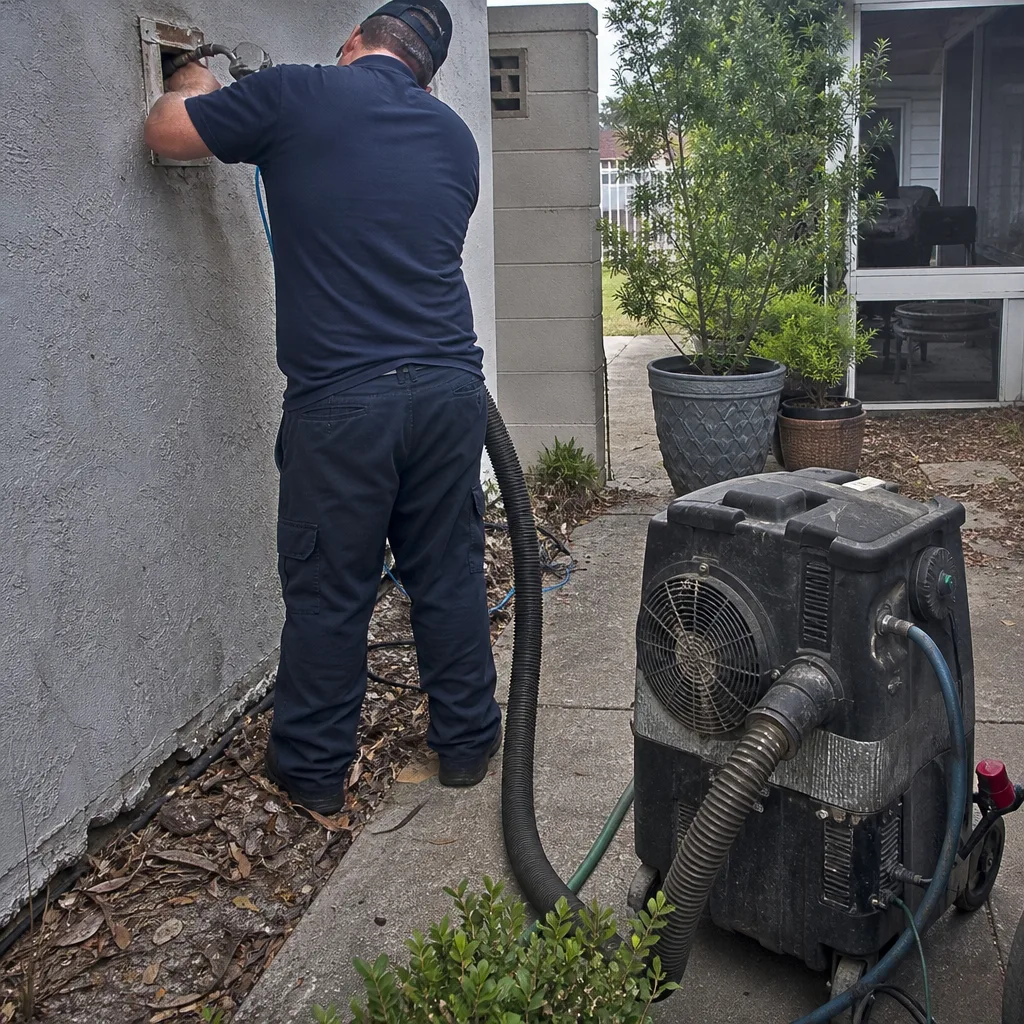 Before
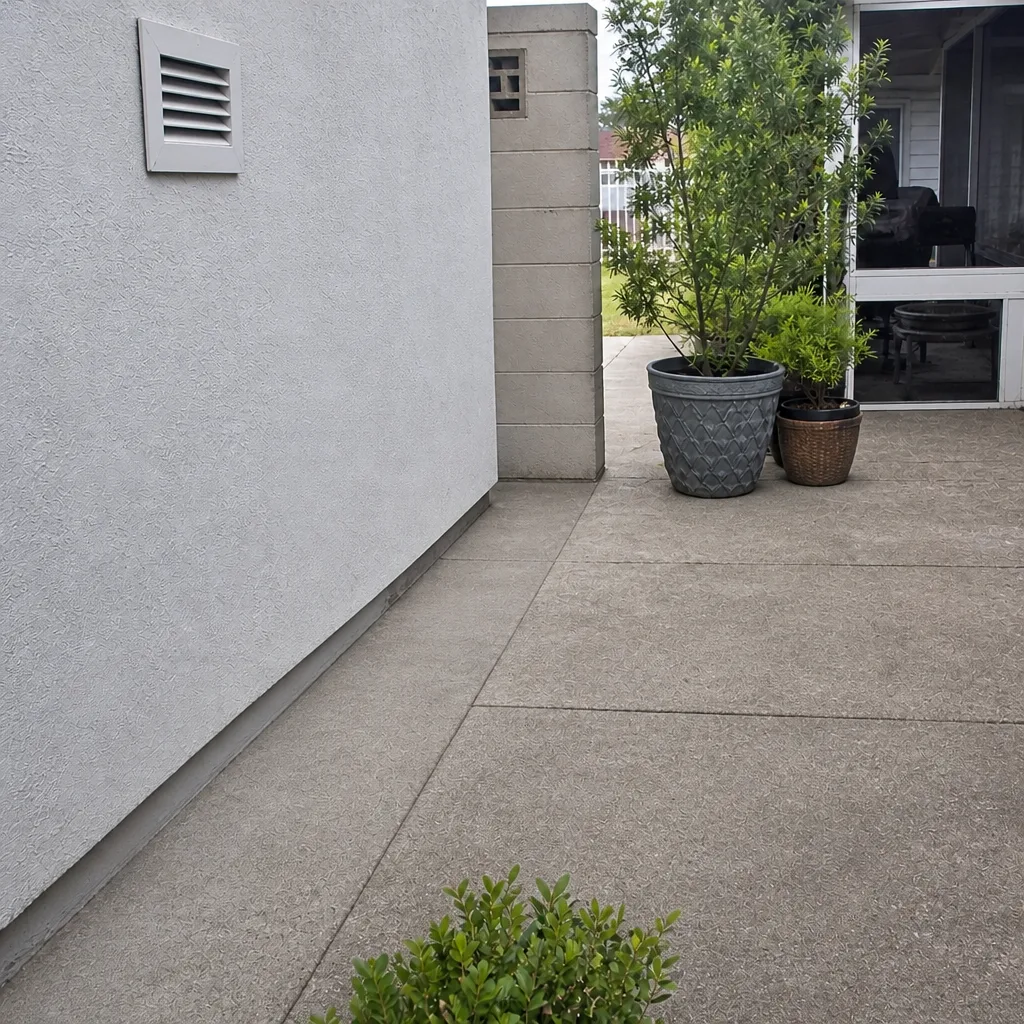 After
When to Call a Professional
Call a professional when you’re not sure what needs a permit, what needs a licensed mold remediator, or what’s within the scope of a duct cleaning. Get a professional assessment when you notice uneven airflow between rooms, when you’re moving into a home with an unknown service history, or when someone in the household has respiratory concerns and the ducts haven’t been examined in years. Call when you see visible debris or insulation breakdown inside the air handler, and call when you’re preparing to sell and want the duct system documented.
Shield Air Duct Cleaning offers free estimates in St. Petersburg – call (855) 967-4983 to schedule one. We also handle dryer vent cleaning, which raises its own fire-prevention concerns worth discussing.
Frequently Asked Questions
No, cleaning the interior of your ducts doesn’t require a permit in St. Petersburg. Cleaning is maintenance work. Replacing ductwork, modifying the air handler, or rerouting runs does require a mechanical permit under the Florida Building Code. Ask your contractor which category your job falls into before work begins. Call (855) 967-4983 if you’re unsure what your specific job needs – estimates are free.
Florida Statute 489 restricts mold remediation work above certain thresholds to licensed mold remediators. The same person or company cannot legally perform both the mold assessment and the remediation on the same job in Florida, which is an intentional separation of duties. Ask to see the license and verify it independently before any remediation begins. If a duct cleaner finds mold and offers to fix it, that’s your cue to check credentials.
Pricing for air duct cleaning in St. Petersburg depends on system size, accessibility, and condition, and any potential repair work. The honest answer is that a professional whole-system clean falls into a range that reflects equipment and labor – not a per-vent number. Be skeptical of a low headline price and ask for a written scope with a flat per-system price before you book. Call (855) 967-4983 for an exact quote – estimates are free.
The cheapest quotes are usually the ones with the smallest scope. Sometimes it’s a brush through the visible portions of the system. Sometimes it’s a vapor vacuum instead of professional equipment. Sometimes it’s a per-vent price that balloons once the technician is on site. The way to compare quotes fairly is to ask for a written scope and confirm that before-and-after photos of your own ducts are provided. If a quote is significantly below the others and the scope is vague, the price gap tells you something about what’s missing.
Before-and-after photos of your own ducts are the strongest proof. Any duct cleaning that doesn’t provide them leaves you guessing. Pair the photos with a written scope and a line-item invoice showing what was done and what equipment was used. We provide photos on every job, and we’re happy to walk you through them if you have questions afterward. Call (855) 967-4983 if you have a previous job you’d like checked.
Keep the written estimate, the final invoice with itemized scope, before-and-after photos, any permit and inspection documents, a copy of the contractor’s license and insurance information, and any mold assessment or remediation records. These matter at home sale disclosure and if you ever file a related insurance claim. Documentation is the evidence that the work was done, by whom, and to what standard.
The Bottom Line
Duct cleaning itself isn’t permit-regulated in St. Petersburg, but the work that often accompanies it is. Duct repair, air handler modification, and mold remediation all sit in a regulatory space that requires the right permit, the right license, and the right documentation. Your job as a homeowner is to ask the questions that separate routine cleaning from regulated work: which scope category does my job fall into, what permit applies, and what records will I receive when it’s done.
Work with contractors who give written scope, flat per-system pricing, and before-and-after photos. Skip anyone who offers a per-vent price, doesn’t want to discuss permits, or can’t clearly explain the licensing rules for mold. Those aren’t details. They’re the difference between a service and a liability.
If you need a professional assessment or a free estimate for duct cleaning, duct repair, or dryer vent cleaning in St. Petersburg, call Shield Air Duct Cleaning at (855) 967-4983. We answer 24/7, and fast dispatch runs 7am to 7pm, Sunday through Friday.
Written by the team at Shield Air Duct Cleaning.