
Last updated November 15, 2026
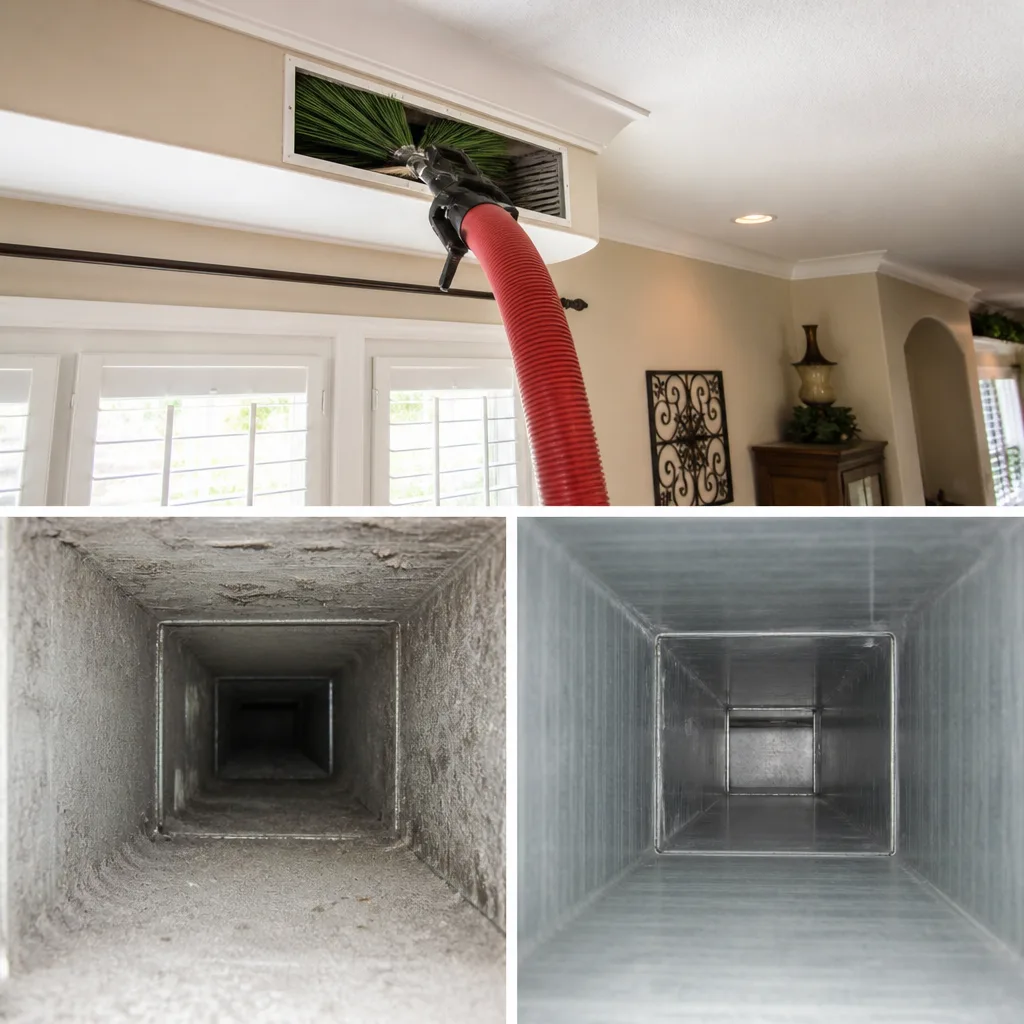 Whole-home duct cleaning
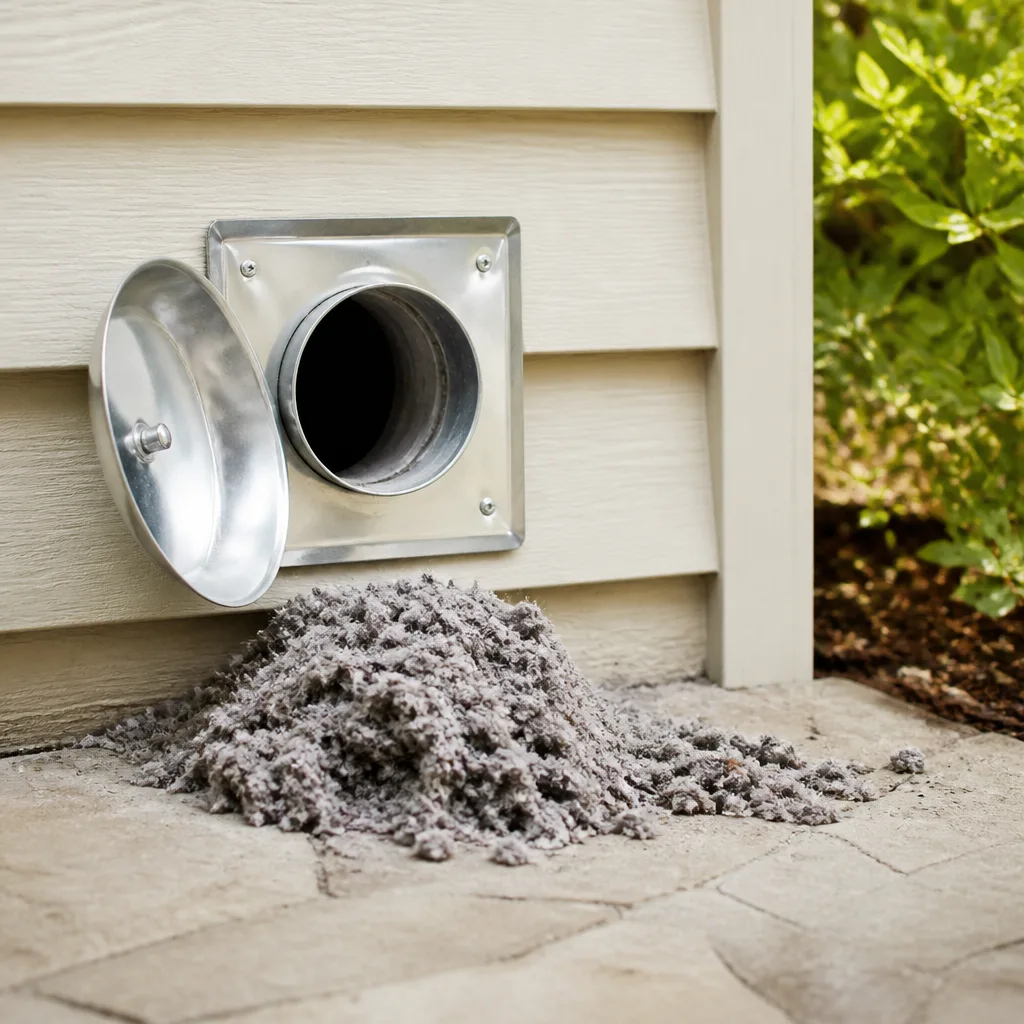 Dryer vent cleaning
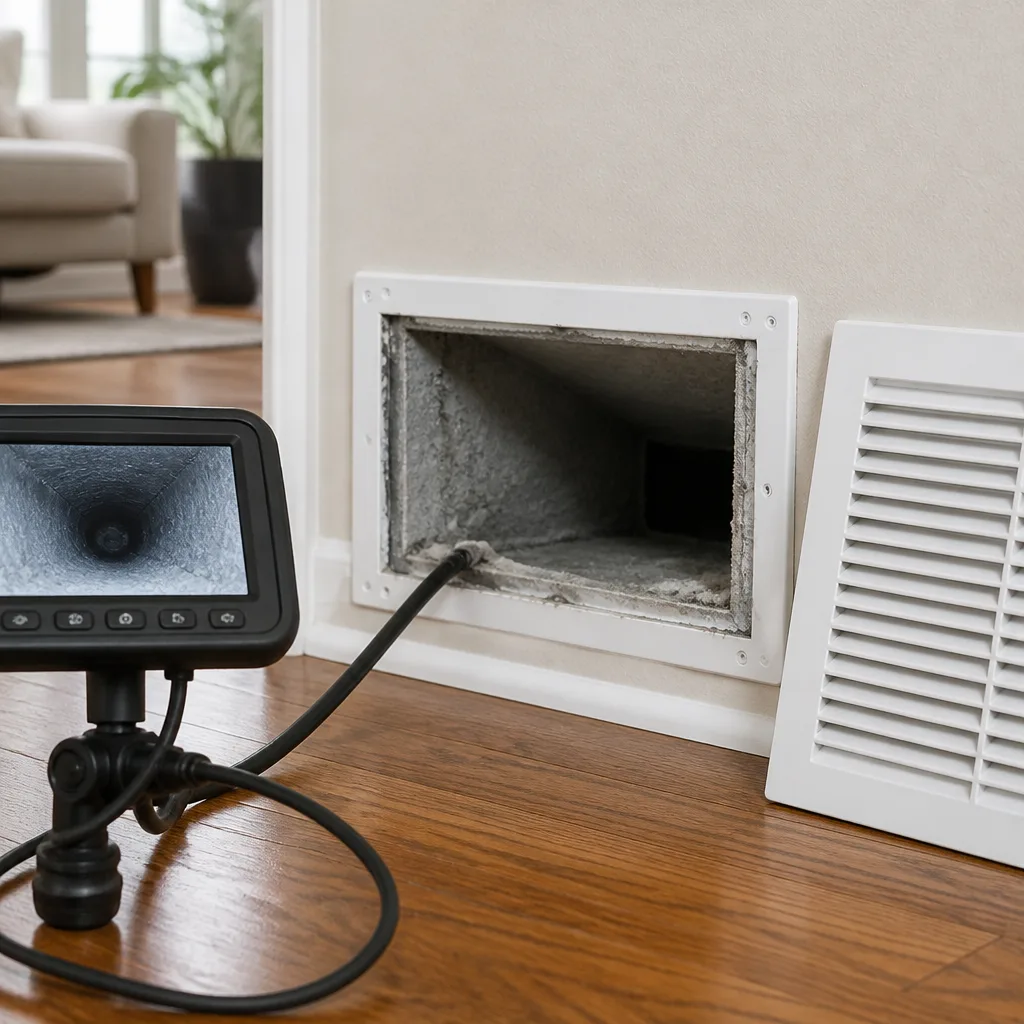 Camera inspection
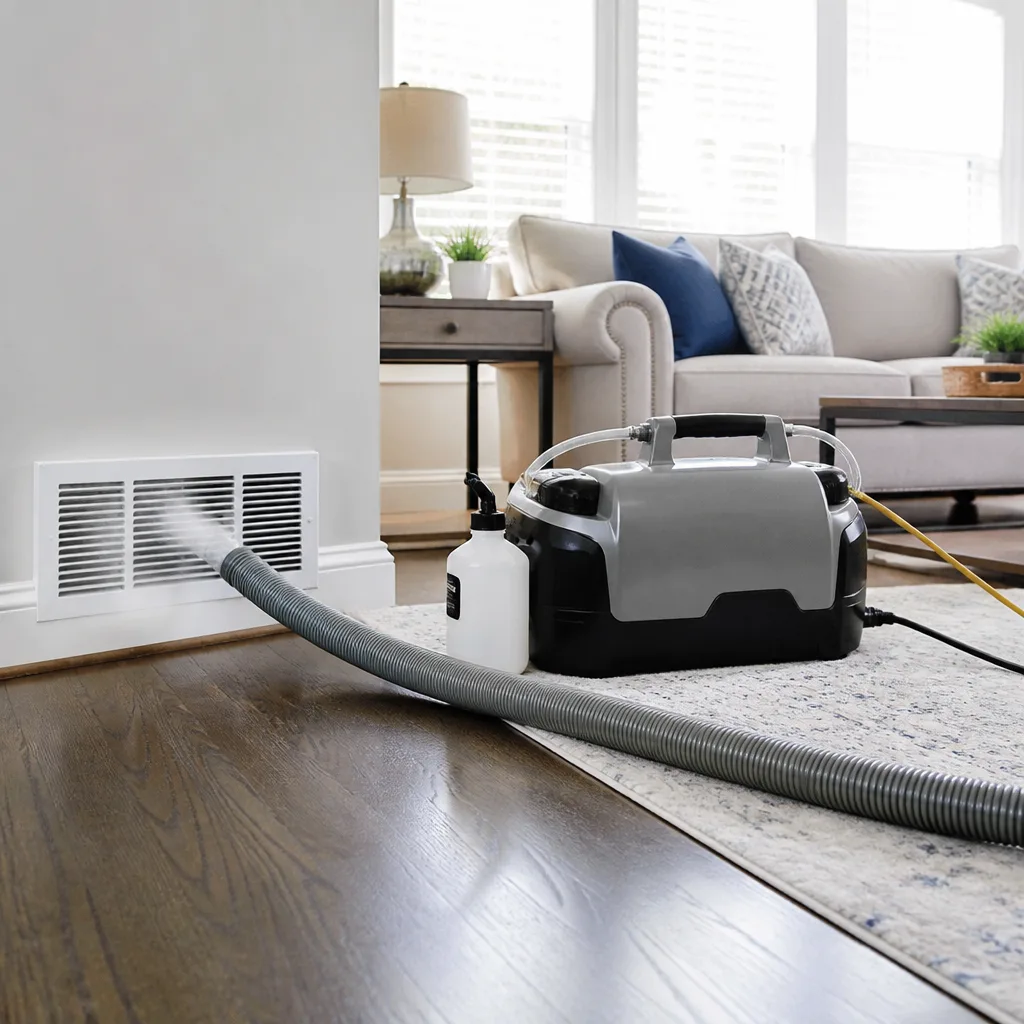 Sanitizing & deodorizing
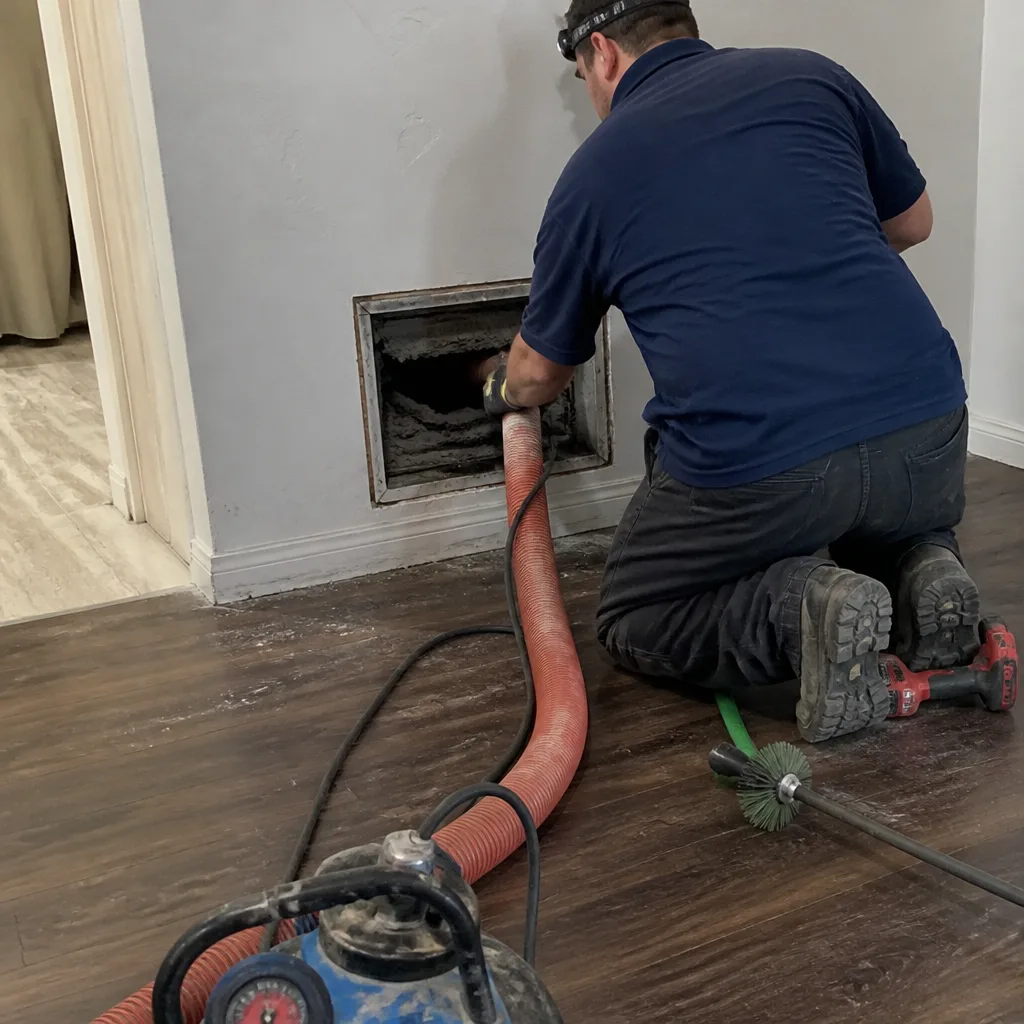
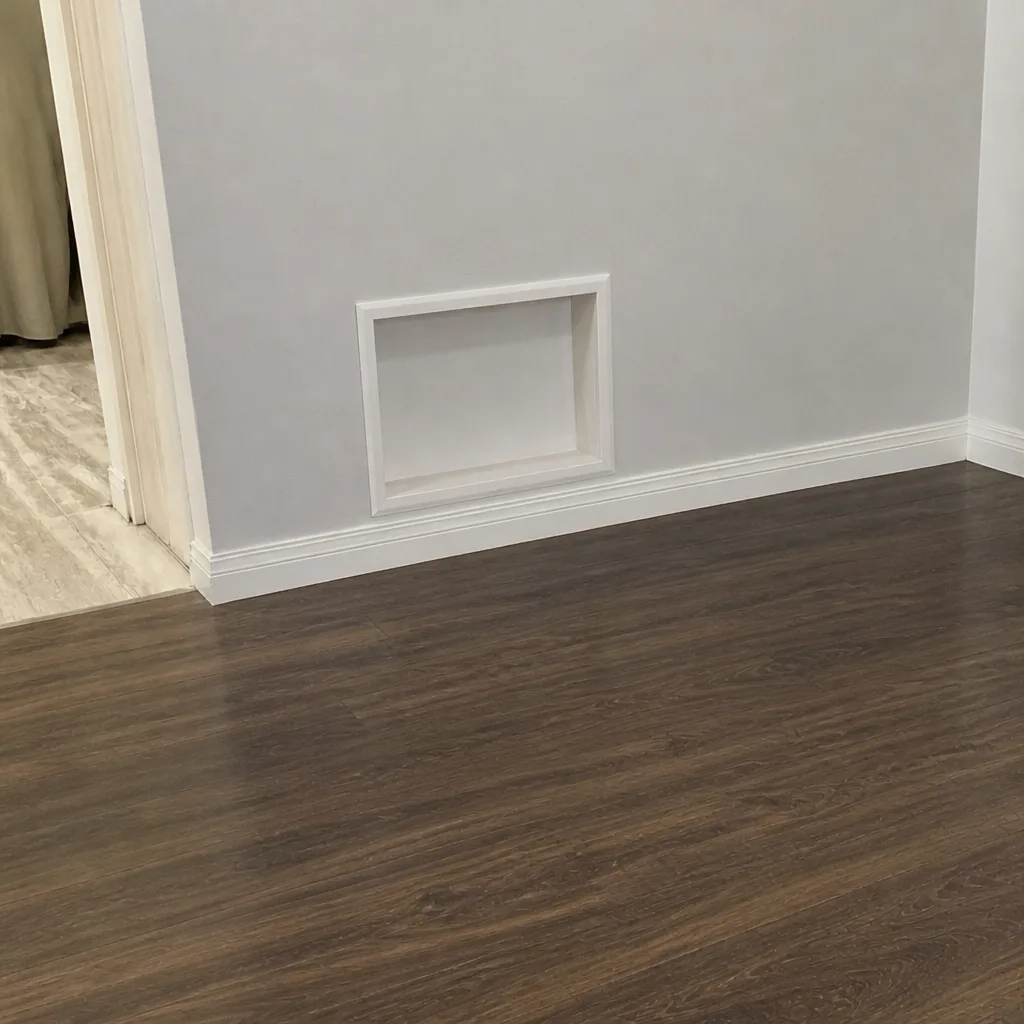
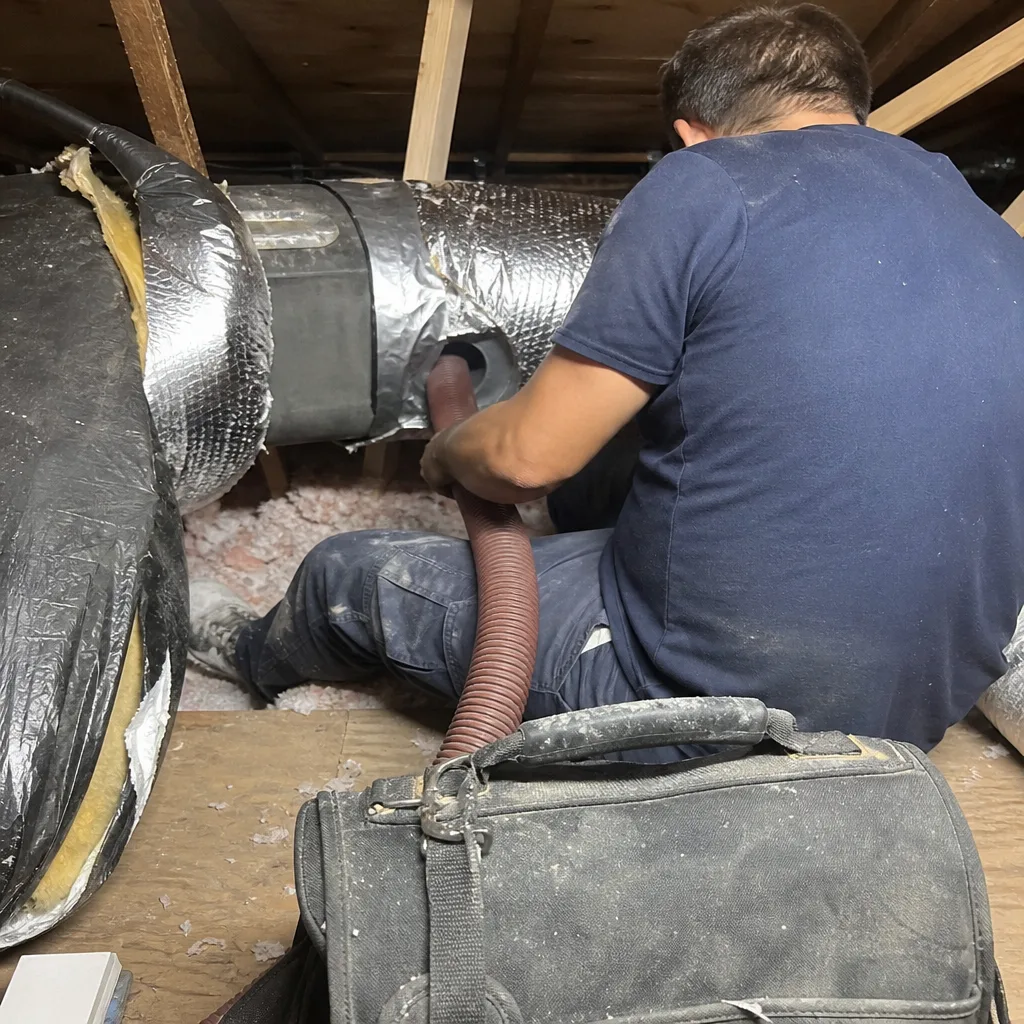
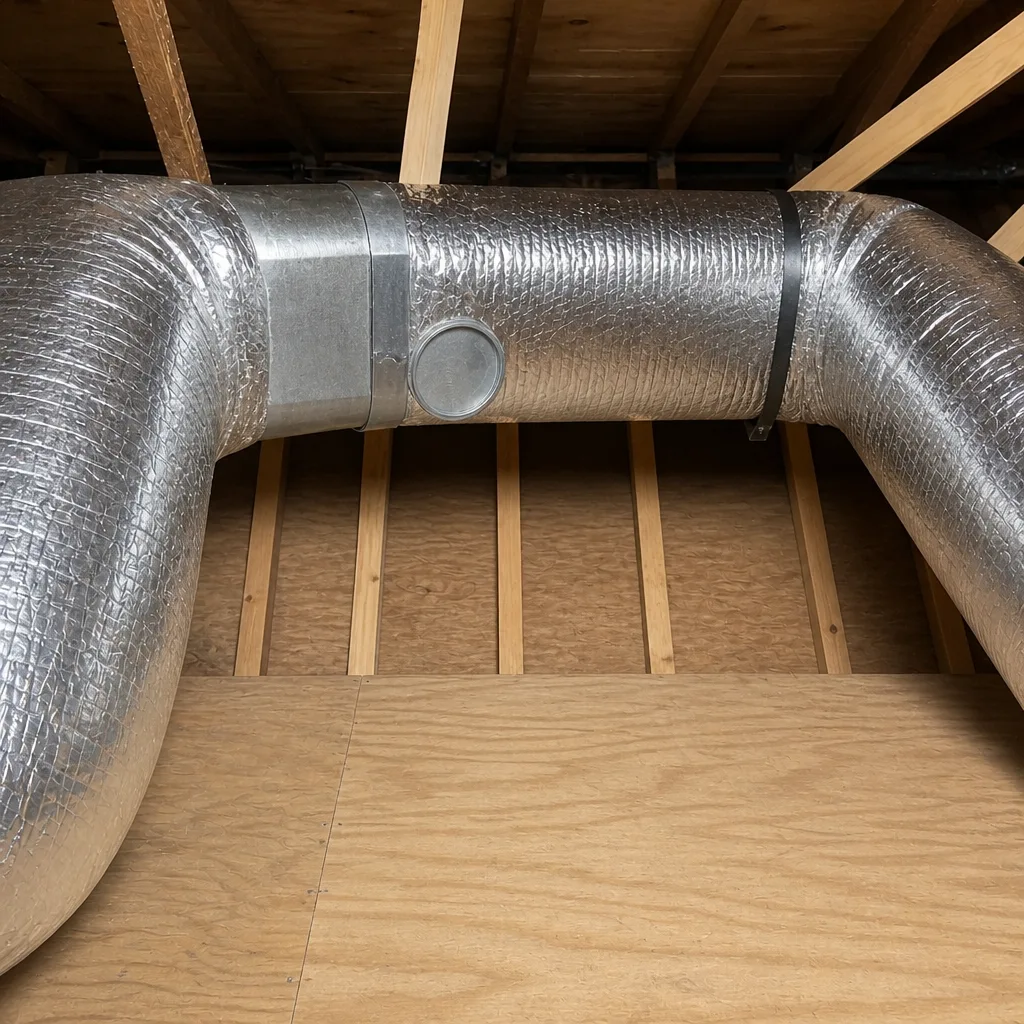
Whole-system duct and dryer vent check with before-and-after photos - you see exactly what came out of your vents
That "$99 whole-house special" is a bait ad - the real number appears once they are in your hallway, or the "clean" is a shop-vac at the register. We photograph the inside of your ducts before and after instead.
Air Duct Cleaning Troubleshooting in St. Petersburg: Common Problems and How to Fix Them
Most homeowners in St. Petersburg treat a musty smell or a rising power bill as an HVAC problem. They call a technician, pay for a tune-up, and the symptoms creep back within a month. Here’s the counterintuitive part: the unit is often fine. What’s failing is the network of ducts feeding it, and that network gives off consistent clues if you know how to read them. This guide teaches you to do exactly that. You’ll learn to tell a dirt problem from a leak problem from a mechanical problem, run a room-by-room airflow test with supplies you already own, and spot a cleaning job that wasn’t finished properly. All of it before you spend money on the wrong fix.
Quick Answer
Air duct problems in St. Petersburg almost always fall into one of four buckets: accumulated debris, duct leakage, restricted airflow from a filter mismatch, or a genuine mechanical fault in the HVAC unit itself. You can tell them apart by testing airflow at each register, noting where smells concentrate, and comparing register output room to room. Once you know which bucket you’re in, the right fix is usually obvious – and it’s often not the one you were about to pay for.
Styles & brands we work with
- Whole-home duct cleaning
- Dryer vent cleaning
- Camera inspection
- Sanitizing & deodorizing
Table of Contents
- How Do You Diagnose a Duct Problem in St. Petersburg?
- Dirty Ducts vs. Leaky Ducts vs. a Broken HVAC Unit
- The Room-by-Room Airflow Test You Can Run Today
- Mold in Ducts or Just Dust? Why St. Petersburg Humidity Matters
- Why “I Just Changed My Filter” Is Not a Troubleshooting Step
- Post-Cleaning Red Flags: Signs the Job Was Done Wrong
- When the Ductwork Itself Is Damaged
- Common Mistakes to Avoid
- When to Call a Professional
- Frequently Asked Questions
How Do You Diagnose a Duct Problem in St. Petersburg?
You diagnose a duct problem by reading three symptoms in order: what the air feels like coming out of a register, what it smells like, and how one room compares to another. Each symptom points to a different source. Feeling low airflow in one bedroom while the living room blows hard is a distribution problem. Smelling something stale every time the system kicks on is a source problem inside the ductwork. Feeling weak airflow everywhere at once is more likely a filter or blower issue than a duct issue at all.
Start by letting the system run for a full cycle. Walk to each supply register and hold your hand about six inches away. Note whether the stream is strong, weak, or barely there. Then walk to each return grille and listen. A healthy return pulls with a steady, quiet draw. A restricted return sounds strained, or you’ll feel almost nothing pulling at all.
Smell matters just as much. Stand near a register in the first minute after the system starts. If a stale or damp odor arrives before your nose would normally pick anything up, the air is picking that smell up somewhere along its path. In St. Petersburg, where indoor humidity sits high for much of the year, that smell is a useful early warning that moisture has collected in the duct system or the air handler cabinet.
This diagnostic order matters because it keeps you from replacing a working HVAC unit to solve a duct problem. If airflow is weak only in some rooms and the smell is intermittent, schedule air duct cleaning for a professional inspection rather than a repair call. If airflow is weak everywhere and the unit runs constantly, have the mechanical system checked first.
Dirty Ducts vs. Leaky Ducts vs. a Broken HVAC Unit
These three problems produce overlapping symptoms, and that overlap is why they get confused. The fastest way to separate them is a simple comparison of airflow feel, smell, and register output across the house. Dirty ducts show up as uneven, dusty output. Leaky ducts show up as weak output in distant rooms while the unit seems to run fine. A broken HVAC unit shows up as weak output everywhere, often with a temperature mismatch between what you set and what you feel.
Dirty ducts
The signature is uneven debris and a consistent smell. You may see dust streaks on the ceiling or walls just past a supply register. Register covers collect dust faster than the rest of the room. Airflow isn’t necessarily weak, but it carries something you don’t want to breathe. Breathing this air all day is the real cost.
Leaky ducts
The signature is a distance problem. Rooms farthest from the air handler feel weak, while nearby rooms feel fine. The system runs longer than it should because treated air is escaping into an attic, garage, or crawl space before it reaches the far end of the house. In a St. Petersburg home with ductwork in a hot attic, those leaks mean you’re paying to cool air that never arrives.
HVAC mechanical faults
The signature is uniformity. Every room is weak, or the temperature never matches the thermostat setting regardless of how long the unit runs. The blower or compressor is the likely culprit, not the ductwork. A duct cleaning won’t fix this, and a reputable technician will tell you so rather than sell you a cleaning that won’t help.
Knowing which category you’re in protects your money. It also protects the air your household breathes every day, which is the entire reason duct work matters in the first place.
The Room-by-Room Airflow Test You Can Run Today
You can locate underperforming duct branches with a tissue and a timer, no tools required. The test takes about twenty minutes and gives you a map of which rooms need attention before you schedule any service.
- Set the system to fan-only. This separates duct performance from heating or cooling output, so your readings are consistent.
- Tape a light tissue to each supply register cover. A single layer of tissue taped at the top edge will flutter if air is moving and hang flat if it isn’t.
- Watch each tissue for thirty seconds. Note whether it blows steady, flutters weakly, or hangs still. Write down the result per room.
- Move to each return grille and hold a tissue near it. A healthy return pulls the tissue toward the grille.
- Repeat after ten minutes to confirm your readings weren’t a fluke from one part of the cycle.
Now look at the pattern. Strong output in rooms near the air handler plus weak output in the far rooms points to leakage or an undersized branch. Even output but a dusty, smelly stream in every room points to accumulated debris. Even output with a single dead branch points to a disconnected or crushed duct run, which is a repair problem rather than a cleaning problem.
Homeowners in older St. Petersburg neighborhoods with original ductwork often find one or two branches that hardly move air at all. That pattern is worth noting, because it tells the technician where to look first instead of guessing.
Mold in Ducts or Just Dust? Why St. Petersburg Humidity Matters
Mold inside ducts looks different from ordinary dust buildup, and the difference matters before anyone starts cleaning. Dust is uniform, gray or brown, and dry. Mold grows in patches, often near the air handler, near a return, or wherever condensation collects. It tends to look speckled, fuzzy, or dark-bordered, and it usually comes with a damp, earthy smell that arrives the moment the system starts.
St. Petersburg’s warm, humid air is the reason this distinction carries real weight. High humidity means condensation forms wherever cold duct surfaces meet warm air, especially on runs through unconditioned spaces. That moisture is what lets mold take hold. If a cleaning starts before that moisture problem is addressed, the growth returns within weeks, and you’ve paid for a cleaning that didn’t solve the cause.
Check for these mold indicators before scheduling anything:
- Dark speckling or fuzzy growth on duct surfaces visible through a register opening
- A damp, earthy smell that strengthens when the system first starts
- Water stains or condensation marks on the air handler cabinet or nearby ductwork
- Peeling or deteriorated insulation inside the duct
- Allergy symptoms that flare indoors and ease when you’re away from home
Some of these indicators require a trained eye to confirm, and mold in ductwork is not a do-it-yourself job. If you see growth inside a duct opening, that’s the moment to call a professional rather than open the duct further. Our technicians check for moisture sources on every job so the cleaning removes the growth and the conditions feeding it.
Why “I Just Changed My Filter” Is Not a Troubleshooting Step
Changing a filter doesn’t troubleshoot anything. It resolves one narrow cause and hides the others. Worse, the wrong filter can create a problem that looks exactly like dirty ducts. If you upgrade to a high-MERV filter to catch more dust, you’re adding resistance to the air path. A system designed for a lower resistance filter can’t push air through a denser one, so airflow drops everywhere. Homeowners then read that as dirty ductwork and order a cleaning that won’t restore the airflow.
MERV rating measures how well a filter captures small particles. A higher number catches more, but it also restricts airflow more. Most residential systems are built around the resistance their manufacturer specifies, and going past that moves you into a mismatch. The symptoms of a mismatch look like this:
- Airflow weak at every register, not just distant rooms
- Whistling or strained sound at the return grille
- The unit running longer to reach the same temperature
- Condensation on the indoor coil, followed by a damp smell
If you’ve recently changed filter type or size, test your system with the old specification before spending money on duct work. If the symptom follows the filter, you’ve found your cause. The filter isn’t the problem; the mismatch is. Our technicians look at filtration setup on every job, and we’re trained on Honeywell and Aprilaire air quality products so we can explain whether your filtration is helping or fighting your system.
Post-Cleaning Red Flags: Signs the Job Was Done Wrong
A completed cleaning should leave you with a comfortable, neutral-smelling home and airflow that matches or exceeds what you had before. When that doesn’t happen, three signals tell you something went wrong.
- Odor that lingers past 48 hours. A slight initial smell may fade as surfaces dry. A smell that’s still there days later, especially a damp or chemical one, means either the source wasn’t fully removed or moisture was introduced into the ductwork.
- Visible debris at the registers. After a proper cleaning, register openings should look clean. If you can see loose debris or dust clinging to the grille, the job wasn’t finished or the containment wasn’t adequate.
- Reduced airflow that wasn’t there before. If your airflow dropped after cleaning, something may have been disturbed or a duct run disconnected during the process.
Ask for before-and-after photos of your own ducts if they weren’t offered. A company with nothing to hide documents what it found and what it removed. This is one reason we use Rotobrush and Nikro professional-grade systems rather than anything consumer-level: the equipment produces verifiable results and our technicians can show you the condition before and after.
For jobs where contamination control matters, Abatement Technologies equipment means the containment is real. If a company can’t explain what they’ll do to keep debris out of your living space during the job, that’s worth asking about before they start.
When the Ductwork Itself Is Damaged
Sometimes the problem is the structure, not the contents. Duct runs can disconnect at joints, crush underfoot in an attic, tear at flex connections, or lose their inner lining. When that happens, cleaning won’t fix anything: the air is leaking before it ever reaches your room.
Signs that you need repair rather than cleaning:
- One room with almost no airflow while neighbors are normal
- Visible kinks, collapsed sections, or separated joints on accessible ductwork
- Debris or insulation visible inside a register opening that shouldn’t be there
- Whistling at a joint or a sealed connection
- Condensation on the outside of a duct run
Duct repair and duct cleaning often go together. Cleaning a system with a disconnected run means you’re cleaning one side of the break while the other side leaks into the attic. For homeowners in St. Petersburg with ductwork running through hot attics, that leak wastes cooled air continuously. Fix the structure first, then clean what’s now sealed. That’s why our Shield Air Duct Cleaning work covers both: we clean it, we repair it, we protect it.
Common Mistakes to Avoid
- Buying a cleaning to solve an airflow problem without testing which rooms are weak. Cleaning fixes dirt, not distribution. Run the tissue-and-timer test first so you know what problem you’re solving.
- Upgrading filter MERV without checking what your system is rated for. A denser filter restricts airflow and produces symptoms that look like dirty ducts. Match the filter to your system, not to a package recommendation.
- Ignoring moisture before starting a cleaning. In St. Petersburg humidity, mold returns fast if the condensation source isn’t addressed first. Cleaning a damp system without fixing the moisture means the growth comes back.
- Accepting a flat quote without asking how the company verifies the work. Before-and-after photos of your own ducts are the simplest check. If a company can’t or won’t provide them, ask why.
- Treating a smell as a cosmetic issue. A persistent odor points to a source. Cleaning without finding the source just spreads the same problem through the house.
- Booking a cleaning while the HVAC unit is failing. If airflow is weak everywhere and the unit can’t keep temperature, fix the mechanical fault first. Duct cleaning won’t fix a failing blower.
- Skipping the dryer vent. A clogged dryer vent is an efficiency and safety issue, not just a lint problem. It’s a separate service from duct cleaning and worth checking whenever you’re already working on the home’s air systems.
When to Call a Professional
Some problems you can diagnose yourself, but some need a professional on site. Call a professional when you see visible mold growth inside any duct opening, when one or more rooms have almost no airflow, when a smell persists after a cleaning, when you’ve recently renovated a St. Petersburg home and drywall dust has likely entered the system, or when you’ve purchased a house and don’t know the duct history. Also call if your airflow is uneven in a pattern you can’t trace on your own, since that usually points to a leak or a damaged run that only a technician can confirm.
Shield Air Duct Cleaning offers free estimates in St. Petersburg – call (855) 967-4983. We answer 24/7. Fast dispatch from 7am to 7pm, Sunday through Friday. Our technicians have up to 12 years of experience, use professional-grade Rotobrush and Nikro systems, and can identify and repair damaged ductwork rather than just clean around it. For homeowners who also want the dryer vent checked while we’re on site, we handle dryer vent cleaning as a separate service under the same roof, which means one call handles the air-system side of the house.
Frequently Asked Questions
Test airflow room by room with a tissue and a timer. If output is even everywhere but dust and smell are present, it’s a dirty duct problem. If output is weak everywhere and the unit can’t hold temperature, it’s more likely an HVAC mechanical problem. If output is weak only in distant rooms, that’s usually duct leakage or a damaged run. Call (855) 967-4983 for a free estimate and we’ll help you confirm.
Not effectively, and not safely if mold or moisture is involved. Consumer vacuums can’t develop the airflow and containment a professional system does, and they can spread contamination through the house. Professional systems are built for the job. If you suspect mold, have a trained technician confirm it before touching anything. Call (855) 967-4983 for an exact quote on a professional cleaning.
Musty smell when the system starts usually means moisture has collected inside the ductwork or the air handler cabinet. In St. Petersburg, indoor humidity stays high enough that condensation forms easily on cold duct surfaces. That moisture is what feeds the smell. Cleaning without addressing the moisture source won’t fix it. Call (855) 967-4983 so we can find the source before the smell returns.
Most homes do fine with a cleaning every few years, but several conditions shorten that timeline: recent renovation with drywall dust, a new home purchase where you don’t know the history, pets, allergies, or visible mold. If any of those apply in your St. Petersburg home, get an inspection sooner rather than later. Call (855) 967-4983 for a free estimate and a straight answer on timing.
Cleaning removes what’s inside the ducts. Repair fixes the structure of the ducts themselves – disconnected runs, crushed sections, damaged joints, torn inner linings. Cleaning a broken system leaves the leak in place. We handle both, so you’re not calling two contractors for one problem. Call (855) 967-4983 for a free estimate that covers both checks.
Before-and-after photos of your own ducts are the simplest verification. Ask for them if they weren’t offered. A company using professional equipment has no trouble documenting what it found and what it removed. Rotobrush and Nikro systems produce verifiable results, and we photograph the before and after on every job. Call (855) 967-4983 and ask what documentation you’ll receive.
The Bottom Line
Most air quality complaints in a St. Petersburg home trace back to something specific and fixable, but only if you read the right symptoms first. Uneven airflow across rooms points to leaks or damaged runs. Dust and smell in every room points to accumulated debris. Weak airflow everywhere points to a filter or blower problem. Mold needs moisture addressed before any cleaning starts. Run the tissue-and-timer test, check your filter rating against your system, and look for moisture before scheduling anything. Then call (855) 967-4983 for a free estimate. We answer 24/7. Fast dispatch from 7am to 7pm, Sunday through Friday. For every duct job in St. Petersburg, our standard is simple: we clean it, we repair it, we protect it.
Written by the team at Shield Air Duct Cleaning.
See the difference
 Before
 After
 Before
 After
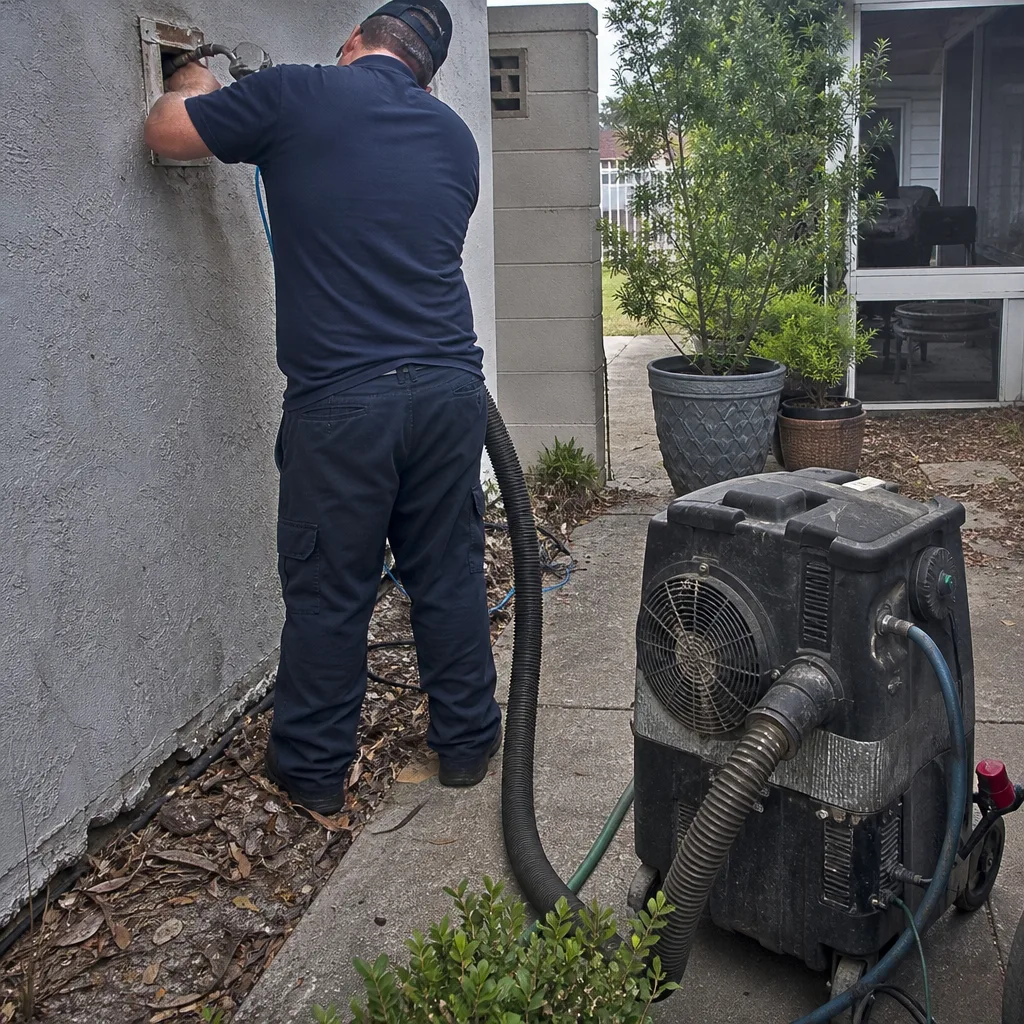 Before
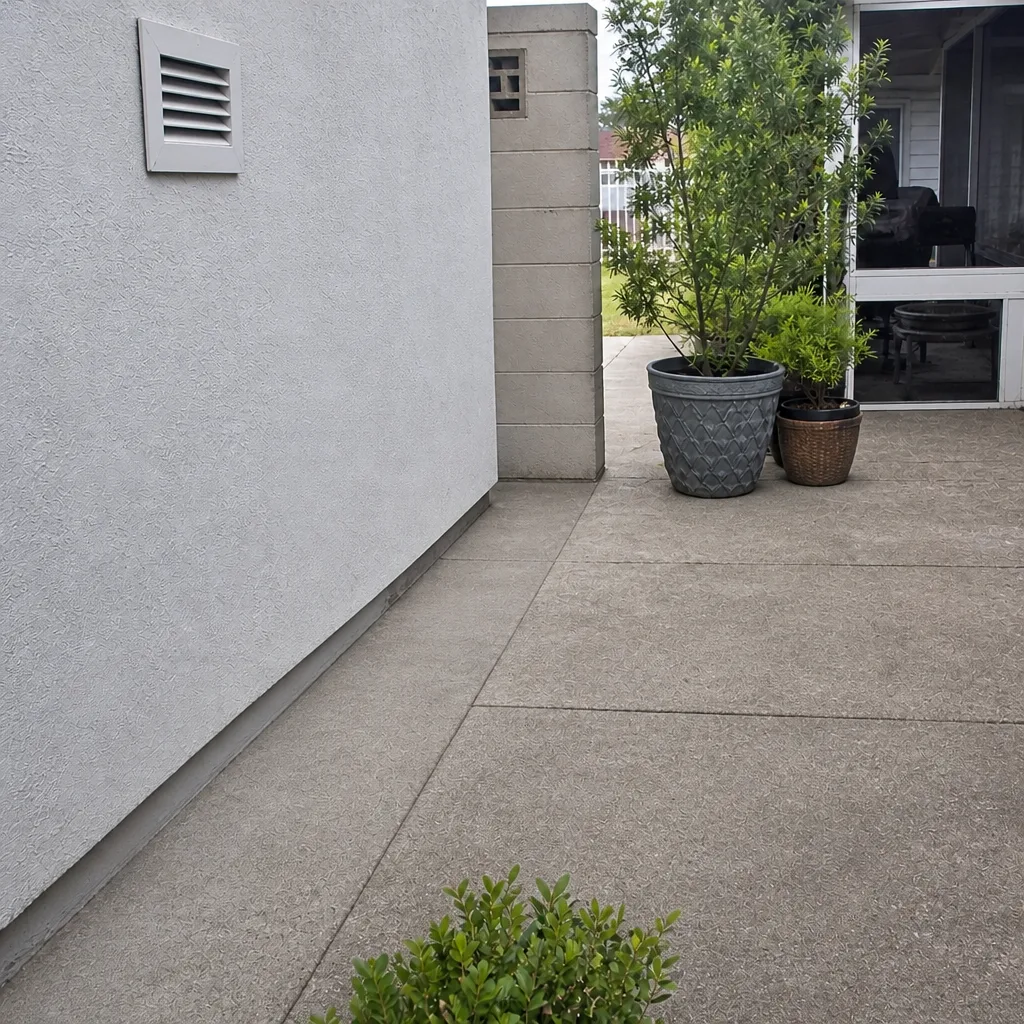 After