
Last updated November 15, 2026
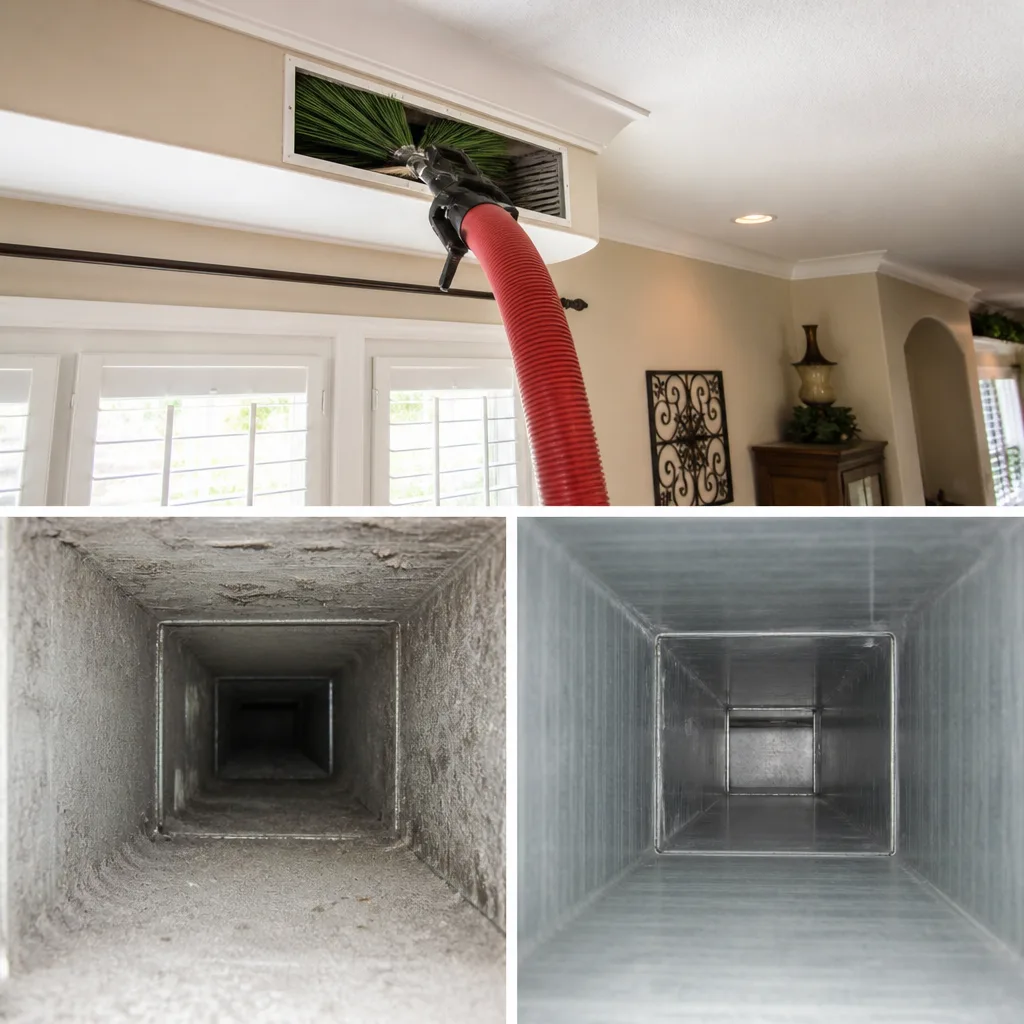 Whole-home duct cleaning
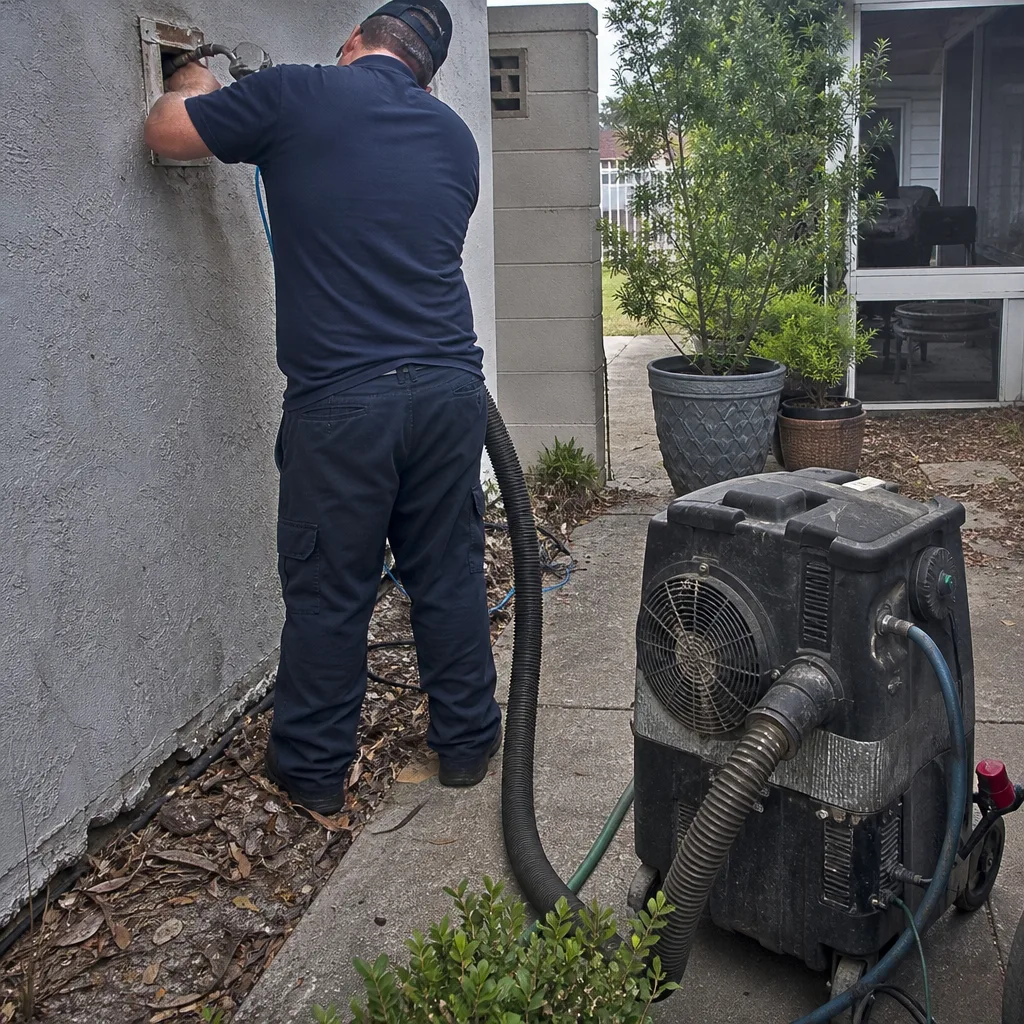
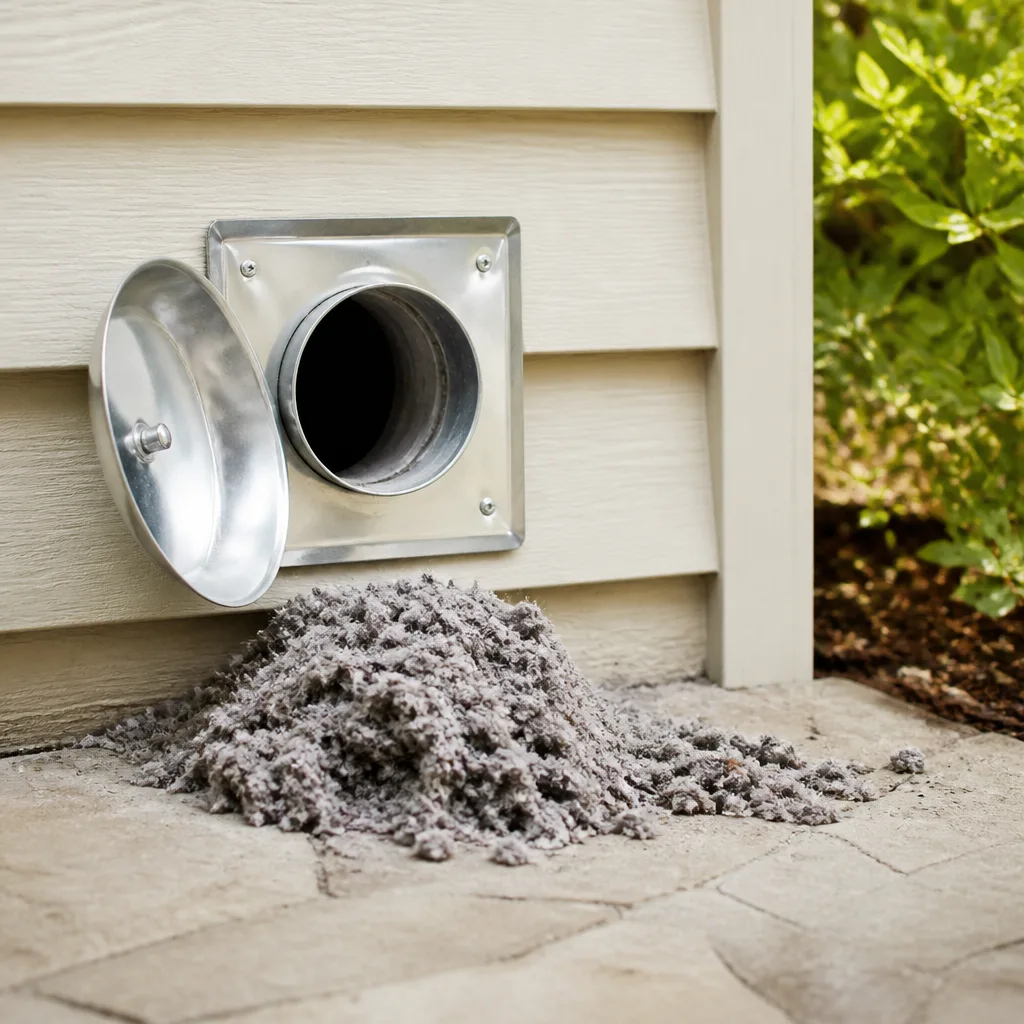 Dryer vent cleaning
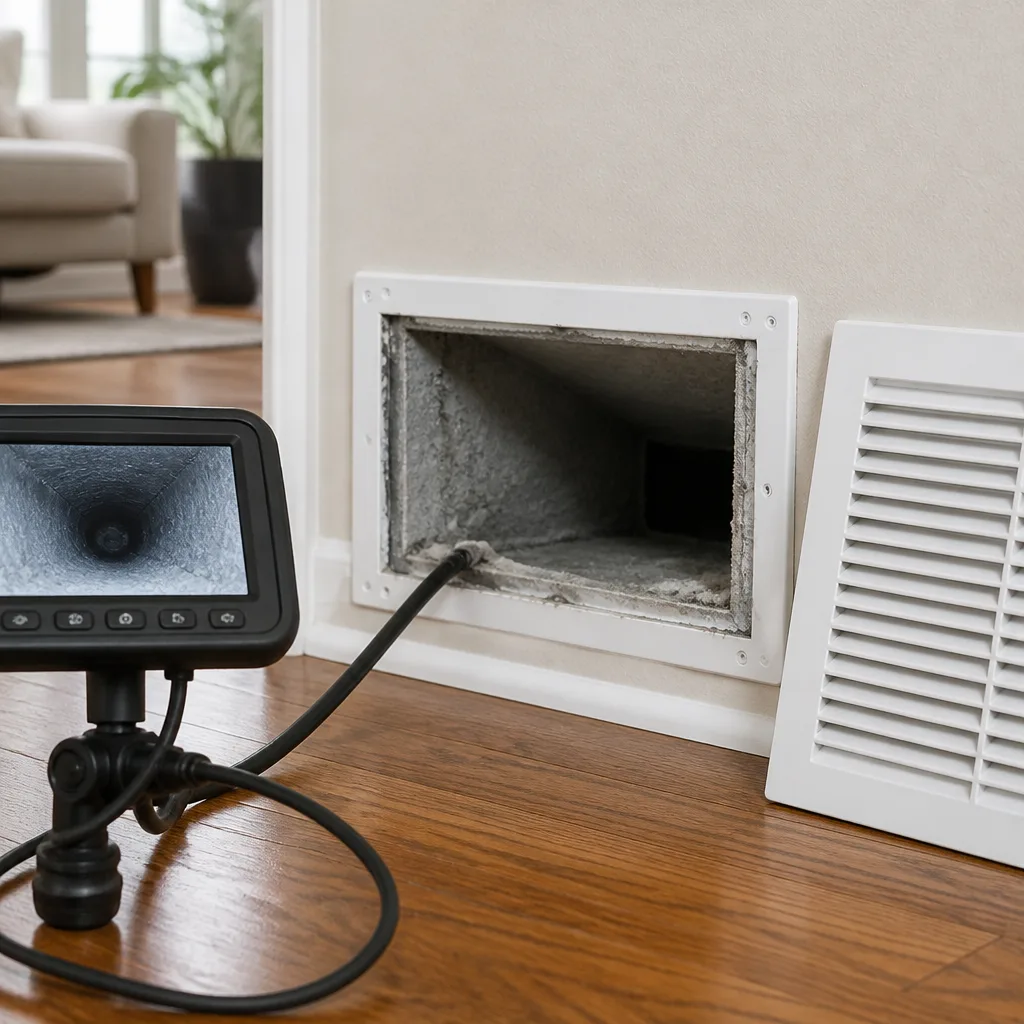 Camera inspection
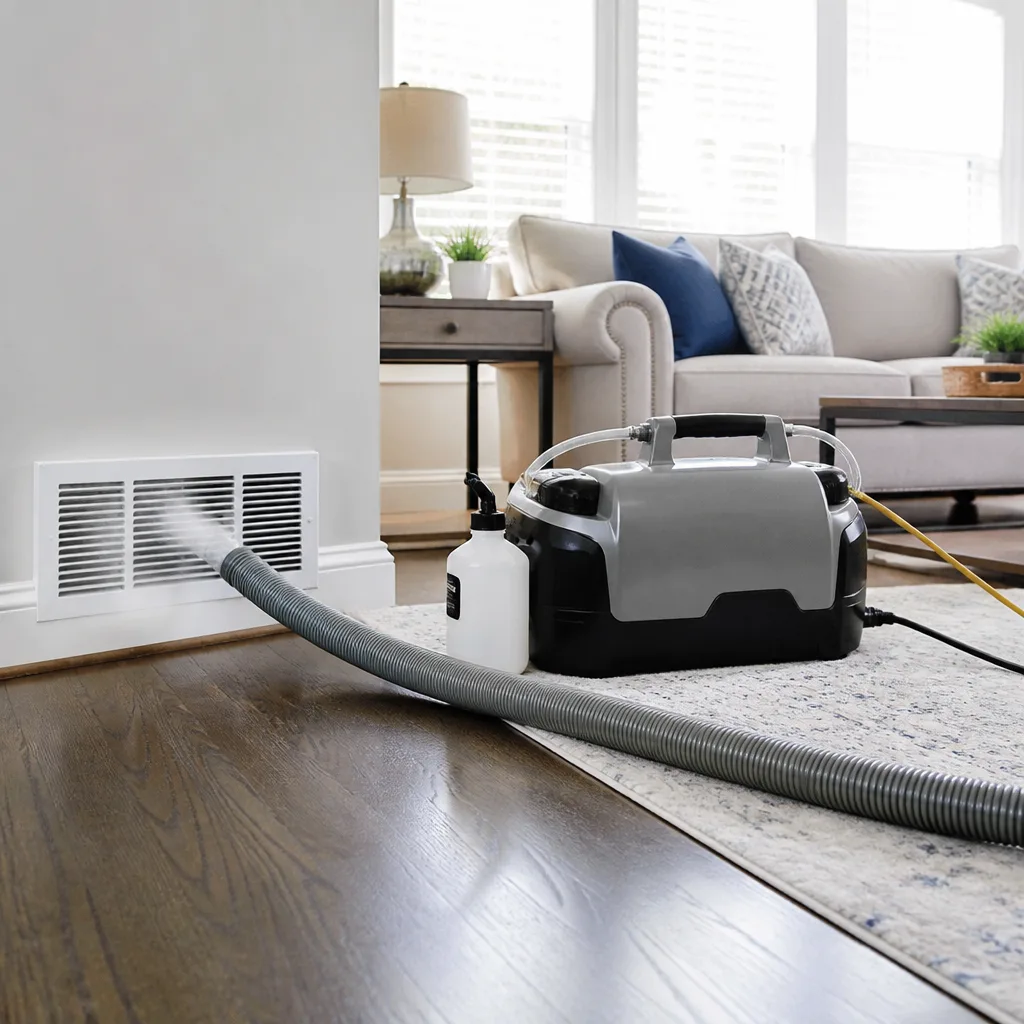 Sanitizing & deodorizing
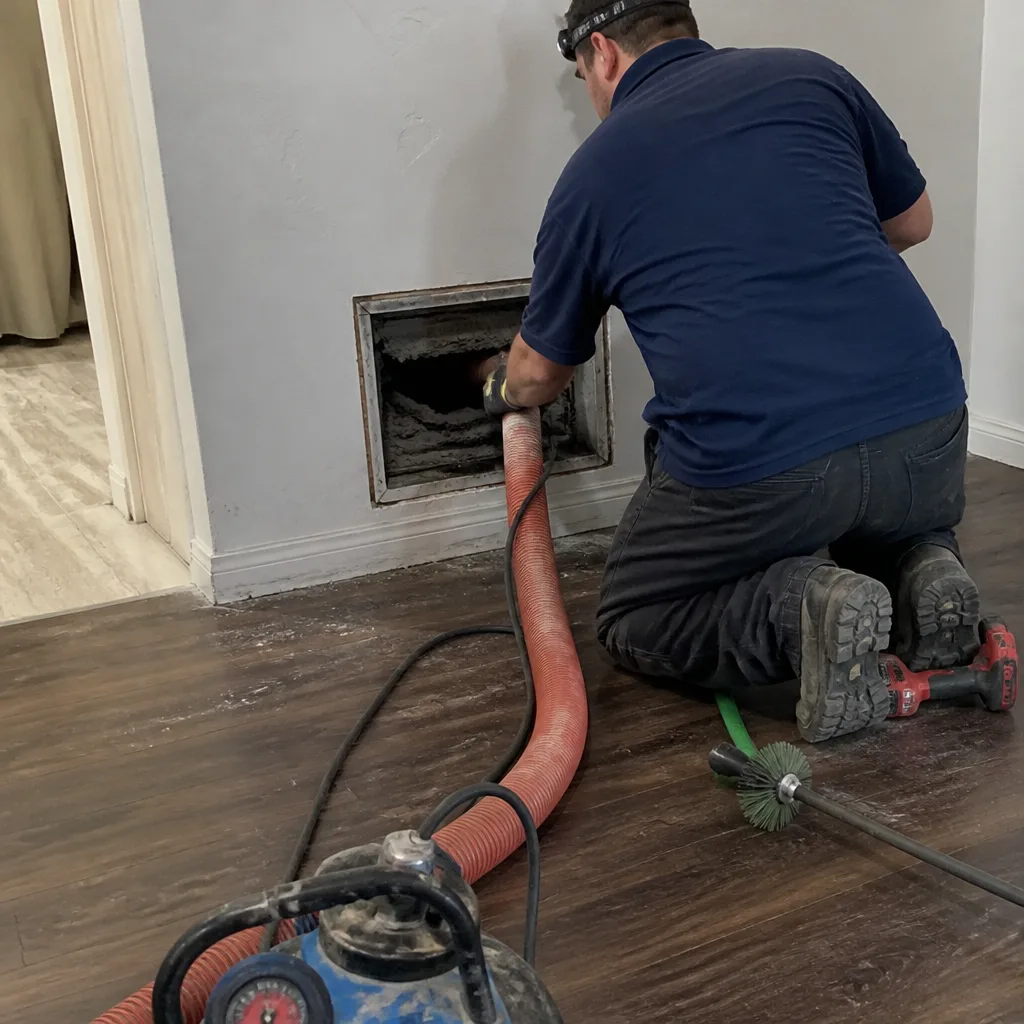
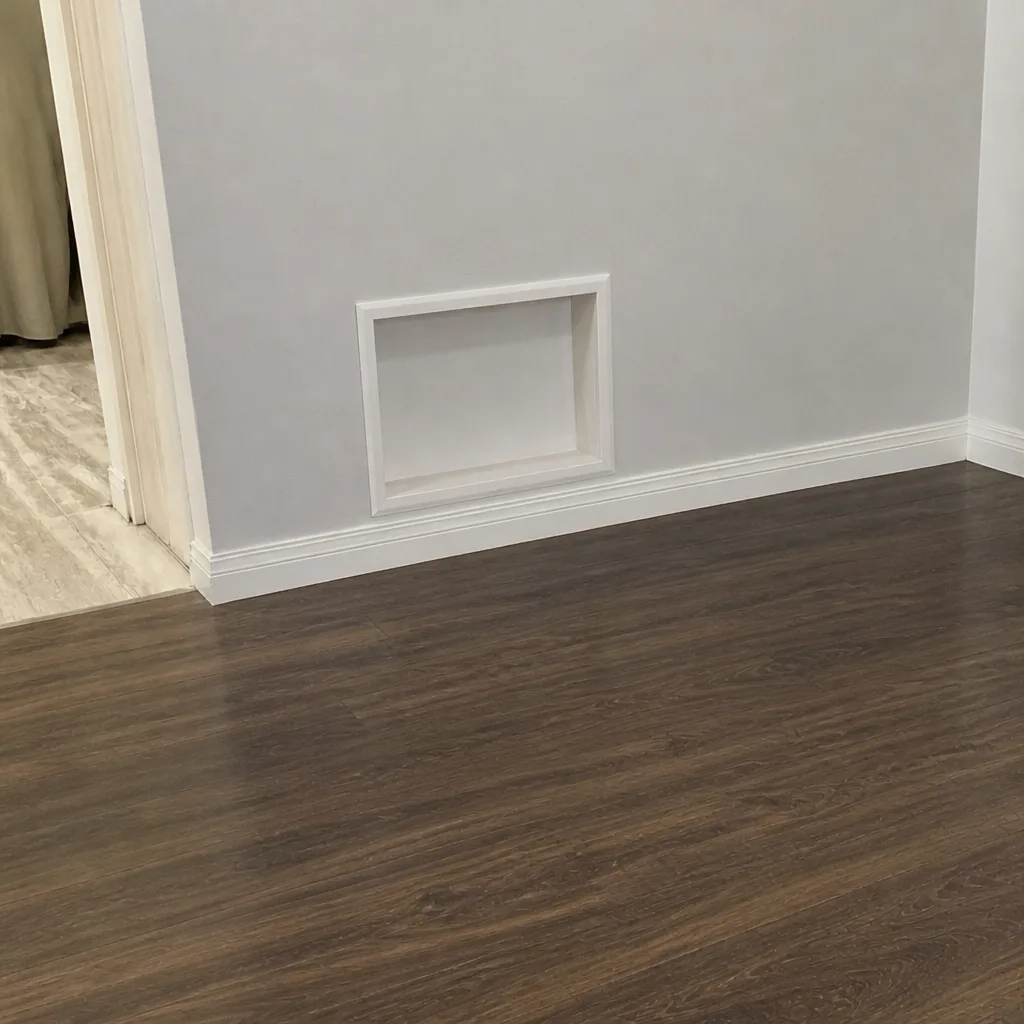
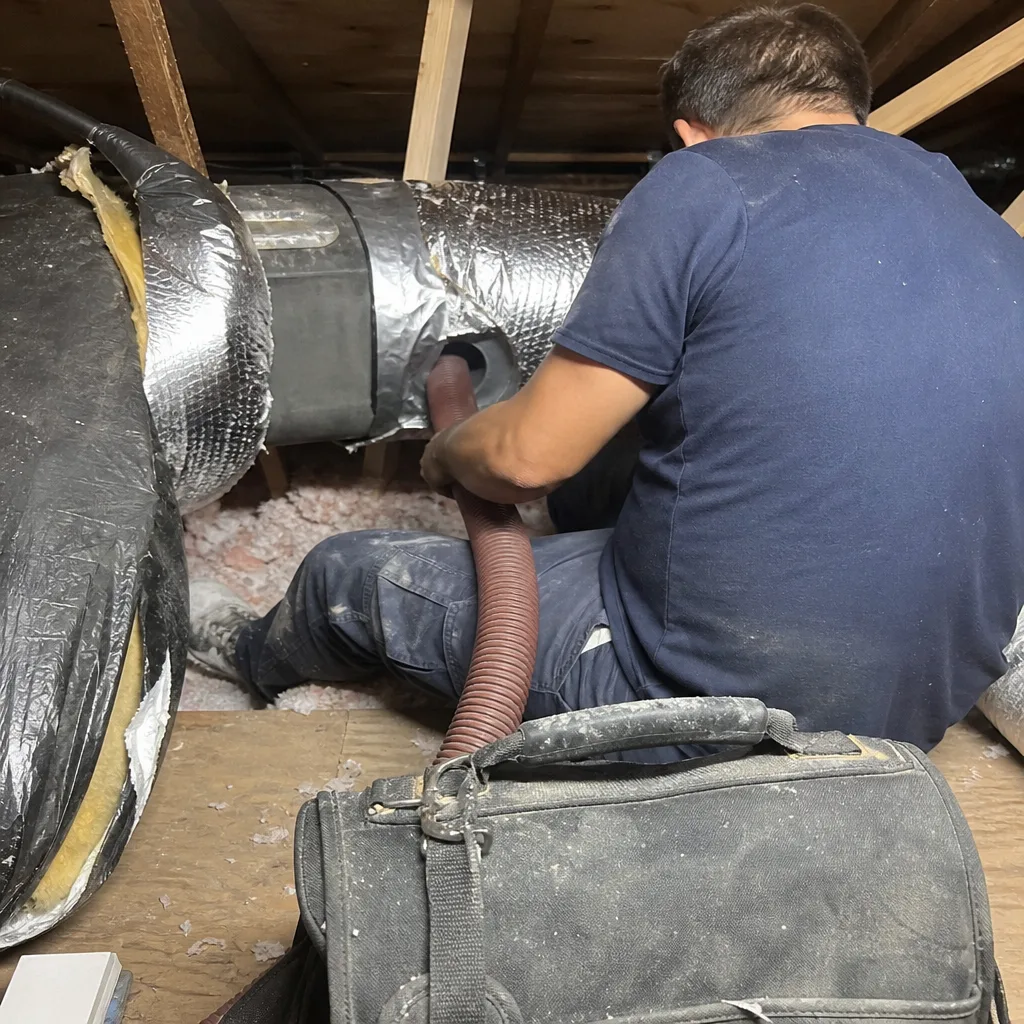
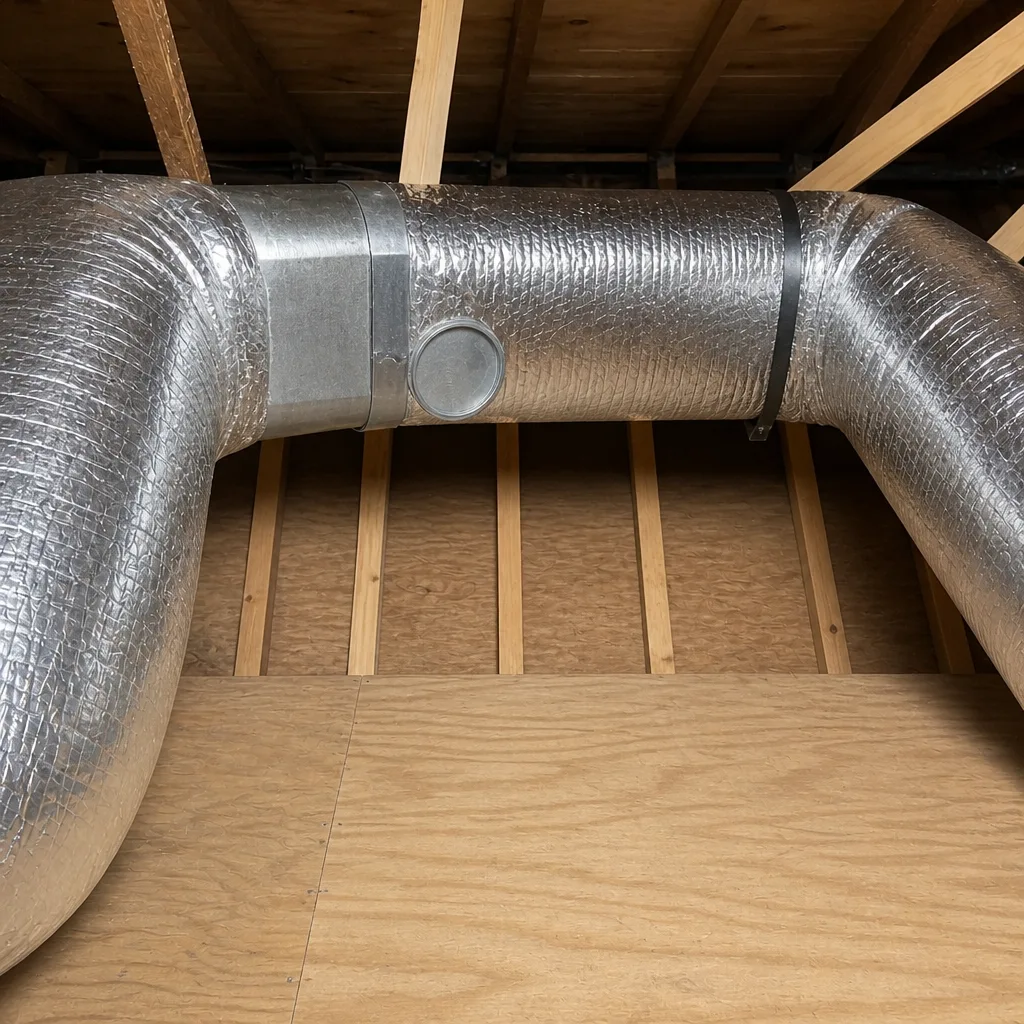
Whole-system duct and dryer vent check with before-and-after photos - you see exactly what came out of your vents
That "$99 whole-house special" is a bait ad - the real number appears once they are in your hallway, or the "clean" is a shop-vac at the register. We photograph the inside of your ducts before and after instead.
Choosing the Right Air Duct Cleaning Brand: A Buyer’s Guide for St. Petersburg
A five-star review for duct cleaning tells you the technician was polite and arrived on time. It tells you nothing about the suction pressure the equipment pulled, whether every trunk line was actually accessed, or whether the before-and-after photos shown at the door came from your house or the last job. In St. Petersburg, where the air stays warm and humid most of the year and HVAC systems run harder and longer than in cooler markets, what happens inside your ductwork matters more than how pleasant the visit felt. This guide gives you a framework for judging a duct cleaning brand on evidence you can verify: the equipment it discloses, the documentation it provides, and the honesty of its recommendations.
Quick Answer
The right air duct cleaning brand in St. Petersburg is the one that will name its equipment (Rotobrush, Nikro, Abatement Technologies systems), explain its negative-pressure and containment setup, show you timestamped before-and-after documentation from your own ducts, and quote a whole-system price before any work starts. Star ratings and discount coupons reveal almost nothing about capability. Equipment disclosure, documentation standards, and pricing transparency are the filters that separate professional operators from commodity ones.
Styles & brands we work with
- Whole-home duct cleaning
- Dryer vent cleaning
- Camera inspection
- Sanitizing & deodorizing
Table of Contents
- Why Equipment Disclosure Is the First Test of Any Duct Cleaning Brand
- The Questions That Reveal Whether a Company Owns Professional-Grade Systems
- How National Franchise Models Operate in St. Petersburg
- What Credible Before-and-After Documentation Should Include
- Sanitization: Recommended Add-On or Default Upsell?
- How Pricing Transparency Separates Brands in St. Petersburg
- Why St. Petersburg’s Climate Makes Duct Condition a Year-Round Concern
- A Step-by-Step Method for Evaluating a Duct Cleaning Company
Why Equipment Disclosure Is the First Test of Any Duct Cleaning Brand
Duct cleaning is a mechanical process with measurable inputs. Suction pressure, agitation method, and containment determine whether debris leaves your system or simply gets stirred up and redistributed. If a company can’t or won’t tell you what equipment it uses, you have no way to judge the inputs, and the review score on the booking page becomes your only data point. That’s a thin foundation for a decision about the air your family breathes indoors.
Professional duct cleaning rests on two pieces of hardware working together. First, there’s a high-powered vacuum capable of sustained negative pressure on the whole system. Second, there’s an agitation tool that breaks debris loose from duct walls so the vacuum can capture it. Consumer-grade shop vacuums fail on both counts. They lack the airflow, and they lack the HEPA-level filtration that keeps fine particulate from blowing back into the living space.
Ask any company in St. Petersburg for the model names behind its work. A professional operator answers without hesitation. Here’s what a credible answer includes:
- Rotobrush systems for interior duct agitation and cleaning, widely used by HVAC contractors on residential systems.
- Nikro negative-air equipment for high-capacity vacuum work and dust containment.
- Abatement Technologies units where HEPA-level filtration and negative-air containment matter most, such as post-renovation jobs or systems with visible debris.
When a company names its equipment specifically and can explain how the pieces work together, that’s a signal of investment. When the answer is “state-of-the-art equipment” with no model behind it, treat that as a warning. At Shield Air Duct Cleaning, our technicians have up to 12 years of experience, we use Rotobrush and Nikro systems on every job, and we deploy Abatement Technologies equipment when containment is the priority.
The Questions That Reveal Whether a Company Owns Professional-Grade Systems
You don’t need HVAC training to filter out companies that are running discount-level equipment. You need five questions, asked before you book, with a clear picture of what a strong answer sounds like. Any operator worth hiring will answer all five directly.
- “What vacuum and agitation equipment do you use, and can you name the models?” A professional answer names brands. A weak answer uses words like “commercial-grade” with nothing behind them.
- “How do you maintain negative pressure during cleaning?” The point is to keep loosened debris from drifting into your rooms. A serious company explains its vacuum setup and containment.
- “Do you offer HEPA-level filtration for jobs that need it?” Some St. Petersburg homes have system contamination that calls for containment-first cleaning. Companies without the equipment can’t offer it.
- “Do you take before-and-after documentation from my own ducts, including camera footage?” A yes with detail is the answer you want. A yes with a sales pitch attached is not.
- “Will you give me a whole-system price in writing before work starts?” Per-vent pricing and teaser quotes hide the real cost until the technician is already in your home.
Ask these in a phone call before you request an estimate. The way a company handles them tells you whether the equipment exists outside the marketing copy. Our team answers all five without dodging, and if a specific job needs something we don’t have, we’ll say so. That’s the Shield standard: we treat equipment disclosure as a baseline, not a sales tactic.
How National Franchise Models Operate in St. Petersburg
National franchise brands are everywhere in this market, and they’re not automatically a problem. The real issue is that franchise quality is a local variable. A national name on the truck tells you the parent company has a brand standard, not that the local owner bought into it. Equipment investment is a franchise-by-franchise decision, and it varies dramatically across the St. Petersburg market.
Some local franchise owners do invest in professional systems because they’re building a real business on system cleaning. Others buy the cheapest compliant setup because the parent brand, not the equipment, is doing the selling. From your side of the phone, both look the same until you ask what equipment shows up.
There’s a second pattern worth knowing. National booking platforms and lead-generation websites connect callers with whoever pays for the lead. You can’t know which operator will show up, and that operator’s equipment isn’t something the platform has verified. The booking confirmation tells you a slot is reserved. It doesn’t tell you what vacuum is coming.
Franchise models also tend to standardize the sales script. That’s where the upsell pattern appears: sanitization offered as a default add-on, filter and IAQ recommendations that arrive whether or not your system needs them, and pricing framed around a low entry number that grows during the visit. For a homeowner in St. Petersburg who just wants the ducts cleaned honestly, the protective move is to filter for the local operator who can talk equipment and price transparently, whether the name on the truck is national or independent.
What Credible Before-and-After Documentation Should Include
Photos of a dirty register and a clean register prove almost nothing. Registers are the easiest part of any duct system to wipe down, and a company that only cleans at the register can produce a before-and-after that looks impressive. Credible documentation goes where you can’t see.
Here’s what real documentation includes, and why each piece matters:
- Interior camera footage of the duct runs. Flexible camera tools show the inside of trunk lines and branches, not just the register face. Timestamped footage from the day of your job is the standard.
- Continuity across the visit. The clip should show the same duct section before and after, with timestamps that line up to the actual job window.
- The whole system, not a single run. Cleaning that reaches every trunk line and branch produces documentation from multiple points. One clean register is a story; a full run-through is evidence.
- Findings flagged for repair. A system with deteriorating insulation or separated joints needs more than cleaning. Good documentation captures what the camera sees on the inside, not just how much dust it caught.
Ask in the estimate call how a company documents its work. If the answer is “we take photos,” ask what kind and of what. In our experience, companies with professional-grade equipment treat documentation as part of the job. Our jobs include before-and-after photos of your own ducts, not a stock gallery. When we’re cleaning a home near Crescent Lake or in Coquina Key, the documentation belongs to that house.
Sanitization: Recommended Add-On or Default Upsell?
Duct sanitization is a legitimate service when contamination findings justify it. It’s also the easiest add-on in this trade for a company to default into every job, whether it’s needed or not. The distinction tells you almost everything about a company’s service philosophy, and it’s worth testing on the first call.
A company that pushes sanitization on every job is treating the visit as a menu. The technician arrives, cleans, then recommends a chemical treatment as standard, because the visit was designed to have an upsell at the end. That’s a sales model, not a health service.
A company that recommends sanitization only when findings justify it is treating cleaning as a diagnostic job. Microbial growth in a duct system, contamination from pest activity, or conditions left behind by water intrusion all point toward treatment. When the camera shows none of those things, the honest recommendation is to skip the treatment and put the money toward something the system actually needs, like a compromised joint or a filter upgrade.
This matters even more in St. Petersburg’s climate, where humidity keeps indoor moisture elevated relative to many parts of the country and HVAC systems run long cooling cycles through most of the year. A system that stays damp is a system where microbial activity can develop, and a system that doesn’t has no reason for a chemical treatment. If a company’s answer to “why does my system need this?” is a generalized paragraph about allergens, keep looking. If it’s a specific finding from your own ducts, that’s a professional call.
How Pricing Transparency Separates Brands in St. Petersburg
Duct cleaning has a bait-and-switch reputation, and it earned it. The pattern is familiar: a low coupon price gets you on the schedule, then the technician finds “problems” and the invoice arrives well above the number you saw advertised. St. Petersburg homeowners who’ve dealt with that once become permanently skeptical, and they’re right to be.
Here’s the filter that cuts through it. A transparent company prices by the whole system, in writing, before work starts. That means the number reflects the size and layout of your system, not a per-vent count that changes as the technician finds more vents. It also means the ceiling on the job is set before anyone unloads equipment, so the visit can’t end with a surprise line item.
St. Petersburg homes vary widely in system layout, which is one reason per-vent pricing fails as a model. A small bungalow near Gulfport has a very different duct run than a larger two-story in Snell Isle, and any honest quote accounts for the system, not the register count. The written estimate is the final word on price. That’s the commitment we make, and it’s the one to demand from anyone else you interview.
Why St. Petersburg’s Climate Makes Duct Condition a Year-Round Concern
Duct systems in St. Petersburg live under different conditions than systems in cooler markets. Cooling season stretches well beyond a few summer months, and the system runs continuously through long stretches of warm, humid weather. That continuous operation has consequences for what builds up inside the ducts and for how quickly a compromised run causes trouble.
A few specifics matter for homeowners here:
- Longer runtimes mean more air moving through the system. Filtration loads up faster, and any dust that slips past the filter has more opportunity to settle on duct surfaces.
- Moisture and condensation. Long cooling cycles can leave condensation on poorly insulated or damaged duct runs, and that moisture is a foundation for microbial growth and deteriorating insulation.
- Renovation debris moves through the whole house. St. Petersburg has a steady stream of remodels and home purchases, and a system run during a project can pull construction dust through every branch.
- Filtration and IAQ accessories matter. Systems running year-round reward homeowners who know their filter and whole-home air quality setup. Familiarity with Honeywell and Aprilaire systems means understanding how filtration fits the cleaning plan, not just how to clean duct interiors.
We clean it. We repair it. We protect it. That sequence fits this climate, because cleaning a system that has compromised ductwork is a temporary fix. Our air duct cleaning work includes the interior run, and when the camera shows damaged seams or deteriorated insulation, air duct repair is part of the same visit rather than a separate contractor’s job.
A Step-by-Step Method for Evaluating a Duct Cleaning Company
You can run this evaluation in one or two phone calls before you commit. Each step tests something a marketing page can’t fake.
- Get the equipment names. Ask directly what vacuum and agitation equipment the company uses. Note whether the answer includes specific brands or only generalities.
- Ask about containment and negative pressure. The answer to “how do you keep debris out of my rooms?” tells you whether the company thinks about containment or only about suction.
- Ask what documentation you’ll receive. Look for timestamped interior camera footage and before-and-after coverage across the whole system, not a single register photo.
- Ask how sanitization is decided. A company that recommends it only on findings is running a diagnostic service. A company that includes it in every quote is running a sales script.
- Get a written, whole-system estimate. The price should be set per job, in writing, before work begins, with no per-vent count driving the total.
- Ask about repair scope. Companies that can identify and fix compromised ductwork solve the actual problem. Companies that clean and leave can’t close the loop.
Run this on any company you’re considering in St. Petersburg, including us. The method works on Shield Air Duct Cleaning the same way it works on anyone else, and we’d rather you compare us on evidence than on a coupon. For related work, our dryer vent cleaning goes through the same evaluation standard, because lint buildup in a dryer vent is a fire-safety issue and deserves the same rigor as the air ducts.
Common Mistakes to Avoid
- Choosing on price alone. A discount entry price that grows during the visit isn’t cheaper; it’s a different pricing model. Judge whole-system quotes against each other, in writing.
- Trusting before-and-after photos without asking what they show. Registers clean up easily. Ask for interior camera footage from your own duct runs, taken during your job.
- Assuming a national brand means consistent equipment. Franchise investment varies by local owner. Verify the equipment behind the name, not the logo on the truck.
- Accepting sanitization as routine. Chemical treatment should follow findings from your ducts, not a line-item template. Ask what the camera found before you agree.
- Booking through a lead platform without asking who’s coming. If the platform can’t name the operator and its equipment, you haven’t chosen a brand; you’ve picked a slot.
- Skipping the repair question. Cleaning a system with damaged or separated ducts is a short-term fix. Ask whether the company can identify and fix compromised ductwork.
- Ignoring filtration and IAQ setup. A cleaning that doesn’t account for your filter and whole-home air quality accessories leaves the system refilling the ducts afterward. Ask how the plan handles filtration.
See the difference
 Before
 After
 Before
 After
 Before
 After
When to Call a Professional
Some duct conditions call for a professional visit rather than an owner’s inspection. Visible dust blowing from registers after you’ve changed the filter, a musty smell that returns even after cleaning the grilles, or a system that’s running longer cooling cycles than it used to are all reasons to have the ductwork examined. Recent renovation work is another: construction dust gets drawn into the system and can settle across every branch run. A home you’ve just purchased in St. Petersburg is one more, because previous owners’ maintenance habits are unknown and a full system assessment settles the question. If your ducts run through a home with a new baby, or if anyone in the household has allergies that get worse indoors, the same assessment is useful.
Shield Air Duct Cleaning offers free estimates in St. Petersburg, so assessing the system costs nothing but the call. Call (855) 967-4983. We answer 24/7. Fast dispatch from 7am to 7pm, Sunday through Friday.
Frequently Asked Questions
The most reliable test is equipment disclosure: a professional company will name its equipment, such as Rotobrush and Nikro systems, explain how it maintains negative pressure, and provide timestamped interior camera footage from your own ducts. Star ratings only tell you the technician was polite. Ask for the equipment names and the documentation standard on the phone before you book.
A professional company runs a high-powered vacuum with sustained negative pressure plus a mechanical agitation tool that breaks debris from duct walls, and it deploys HEPA-level containment equipment such as Abatement Technologies units when contamination needs to be managed carefully. Consumer-grad vacuums and shop vacs can’t provide the suction or filtration a real cleaning requires. We use Rotobrush and Nikro systems on every job, and Abatement Technologies equipment where containment matters most.
Discount quotes usually reflect a different equipment tier and a different pricing model: a low entry number followed by in-home findings that push the invoice upward. A whole-system written estimate set before work starts is the honest model. If a quote is dramatically lower than every other quote, ask what equipment it covers and whether the price can change once the technician is on site.
There’s no fixed calendar answer for every home, and companies that quote one are guessing. In St. Petersburg’s long cooling season, systems run heavily, filtration loads faster, and renovation or recent home-purchase situations justify an assessment sooner. A camera inspection tells you what your particular system needs. If the interior shows little buildup, we’ll tell you, and skip the cleaning.
Ask for before-and-after documentation from your own ducts, including timestamped interior camera footage showing the same duct sections before and after the visit. Register photos alone are weak evidence. At Shield Air Duct Cleaning, every job includes before-and-after photos of your own ducts, not stock images of someone else’s system.
Most duct cleaning companies only clean. Companies with repair capability can identify compromised ductwork during the camera walkthrough and fix it, which matters when the cleaning reveals deteriorated insulation or separated joints. Our scope covers air duct cleaning, dryer vent cleaning, and air duct repair, so you’re not hiring a second contractor for a related job.
The Bottom Line
The right brand for duct cleaning in St. Petersburg is the one that can prove its capability rather than claim it. Judge on three things: equipment disclosure (specific model names and containment setup), documentation standards (timestamped interior camera footage from your own ducts), and pricing transparency (a whole-system written estimate before work starts). Star ratings and coupons don’t measure any of those. Neither does the brand on the truck, unless the local operator behind it invested in the same professional systems. Run the evaluation, ask the five questions, and let the answers decide. We’re the protection service for the air your system circulates, and we’re happy to be measured that way.
For questions about your system, or to schedule a free estimate, call us at (855) 967-4983. We answer 24/7. Fast dispatch from 7am to 7pm, Sunday through Friday. If you want to see how we approach standard jobs in the St. Petersburg market, take a look at how our process works.
Written by the team at Shield Air Duct Cleaning.