
Last updated November 15, 2026
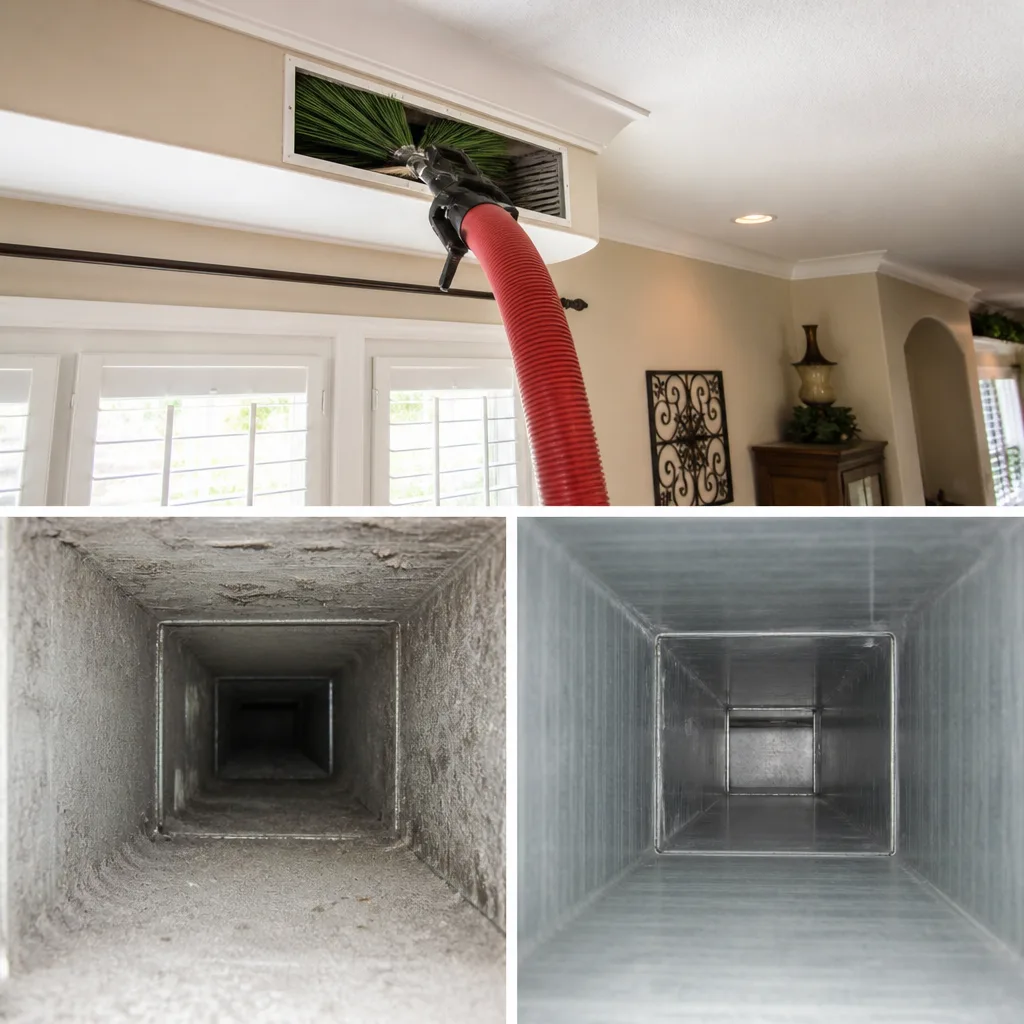 Whole-home duct cleaning
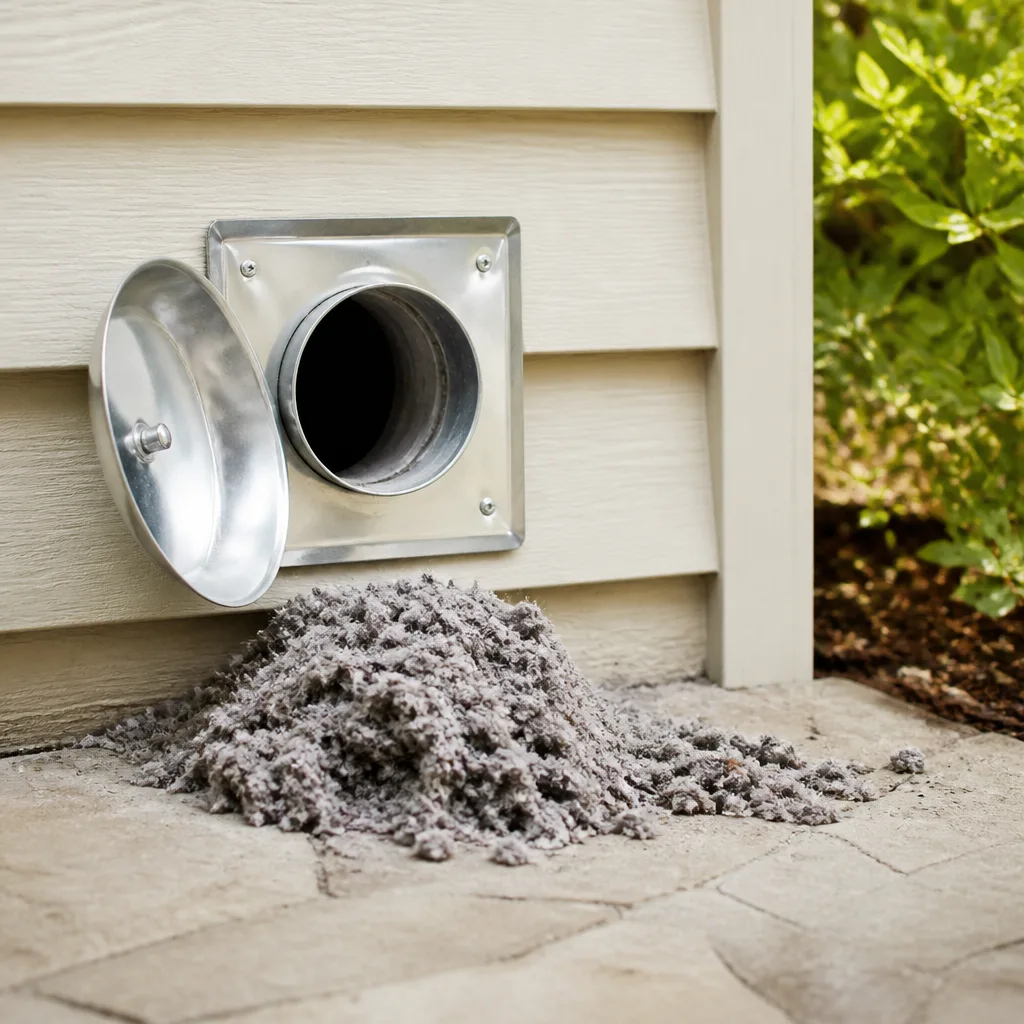 Dryer vent cleaning
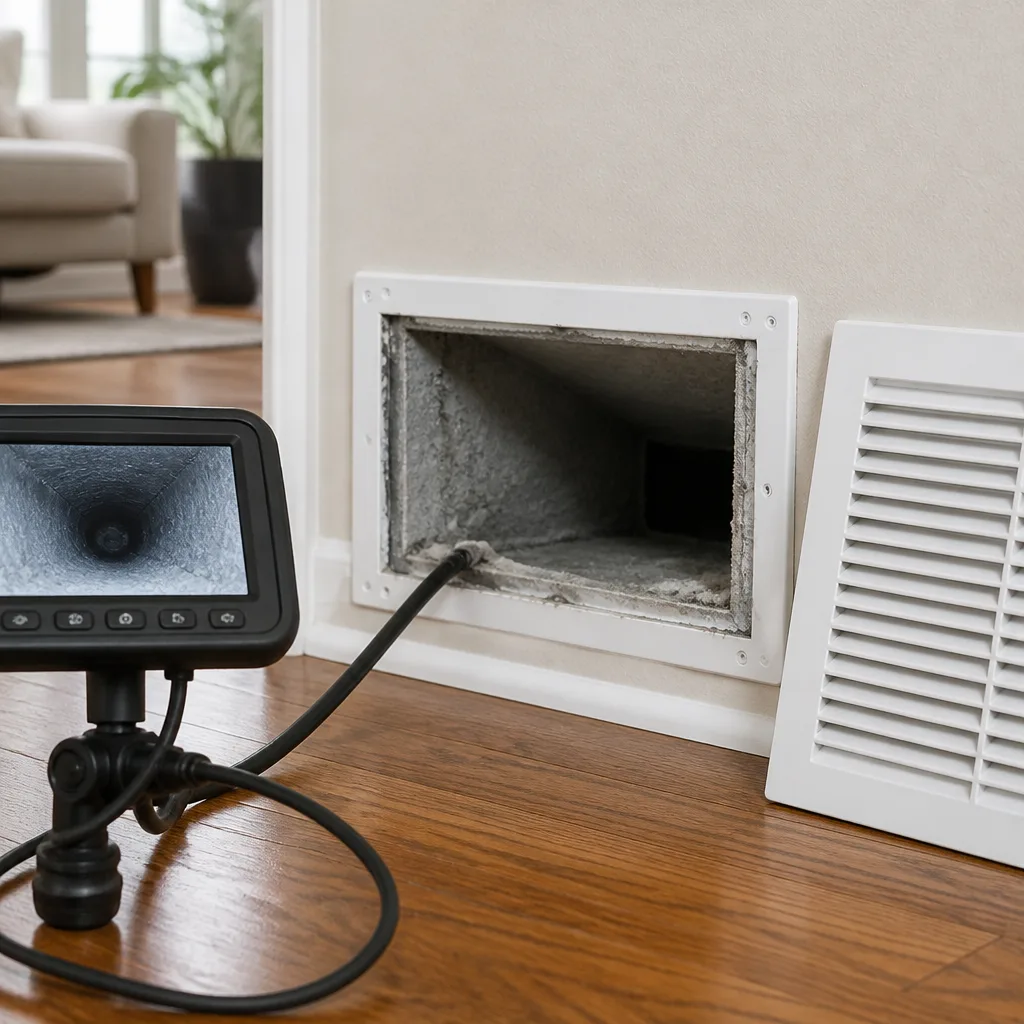 Camera inspection
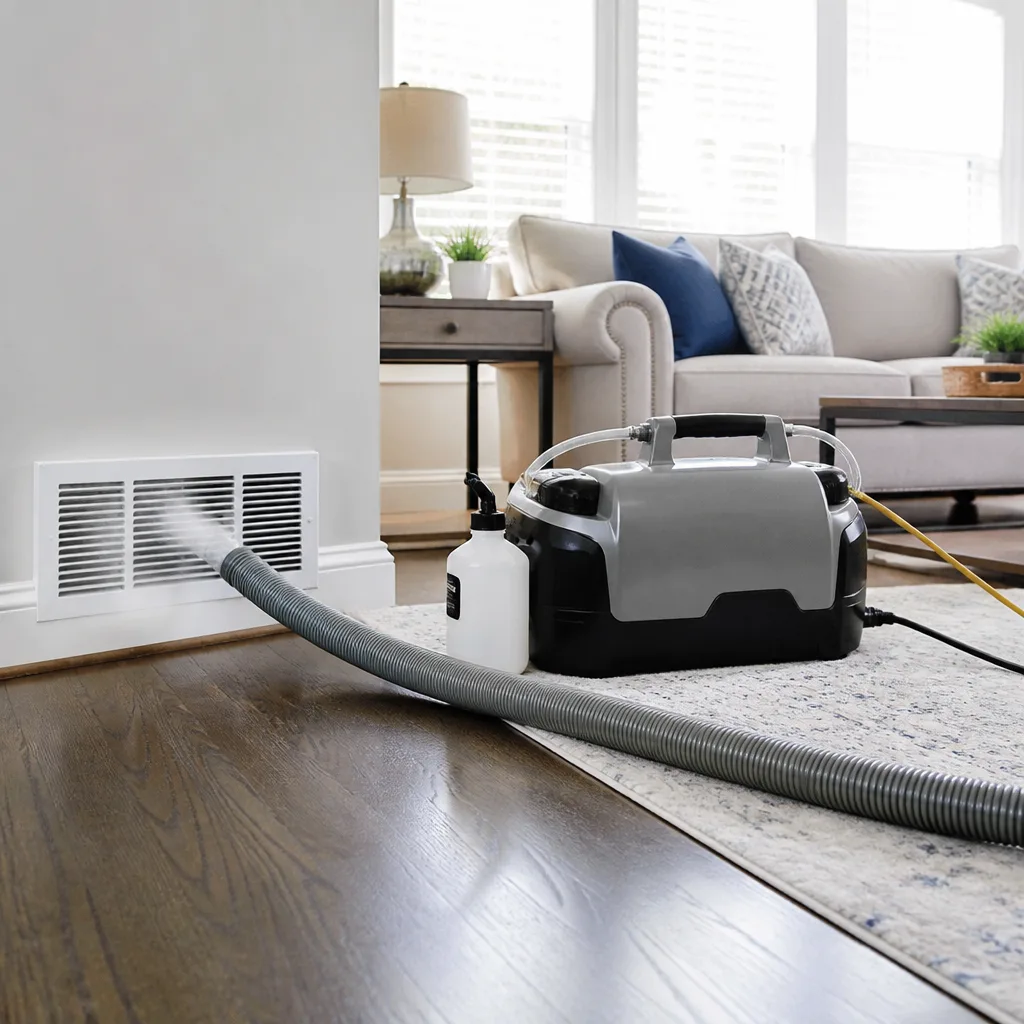 Sanitizing & deodorizing
Whole-system duct and dryer vent check with before-and-after photos - you see exactly what came out of your vents
That "$99 whole-house special" is a bait ad - the real number appears once they are in your hallway, or the "clean" is a shop-vac at the register. We photograph the inside of your ducts before and after instead.
Air Duct Cleaning Cost Breakdown: The St. Petersburg Homeowner’s Reference for 2026
The cheapest duct cleaning quote floating around St. Petersburg right now is probably in the $89-$149 range for a whole house. The question worth asking isn’t whether that number is suspiciously low. It’s what physical work is actually possible at that price, and whether any of it reaches the inside of your ducts. A $99 special and an $800 professional job aren’t two prices for the same service. They’re two different services wearing the same name. This guide breaks down exactly where the money goes on a legitimate job, why square footage misleads you, and how to read any quote with precision. You’ll finish knowing what a fair 2026 price looks like in Pinellas County and how to spot the padding.
Quick Answer
Professional air duct cleaning in St. Petersburg typically runs about $350-$550 for homes under 2,000 square feet, $550-$850 for homes between 2,000 and 3,500 square feet, and $850-$1,400 or more for larger properties, depending on the number of access points and duct material. The written estimate sets the final price. A whole-house offer under $150 almost never includes source removal with containment, which is the entire point of the service.
Styles & brands we work with
- Whole-home duct cleaning
- Dryer vent cleaning
- Camera inspection
- Sanitizing & deodorizing
Table of Contents
- What Actually Drives the Cost of Duct Cleaning
- Why Square Footage Is a Misleading Pricing Metric
- What a Fair 2026 Price Range Looks Like in Pinellas County
- Add-Ons: When They’re Legitimate and When They’re Margin Padding
- How to Compare Quotes That Use Different Equipment
- How to Verify the Work Was Actually Done
- St. Petersburg Home Types and What They Mean for Cost
- How Often Ducts Really Need Cleaning
What Actually Drives the Cost of Duct Cleaning
Four things account for nearly every dollar on a legitimate invoice: equipment, labor, containment, and verification. Understanding each one tells you what a quote is actually paying for.
Equipment
The single biggest fork in the road. Professional systems like Rotobrush and Nikro are designed for source removal: they agitate debris loose from the duct walls and pull it into a HEPA-filtered collection unit under constant negative pressure. These machines are built for commercial HVAC contractors and cost accordingly. A shop vac and a spinning brush bought at a hardware store cannot replicate that. When a quote is dramatically low, equipment amortization is usually the first thing that vanished. We run Rotobrush and Nikro systems on every job because the tool determines the depth of the clean, and there’s no way to fake that afterward.
Labor
A typical single-family home takes two technicians roughly two to four hours depending on how many access points must be cut and how many supply and return runs the system has. Labor is billed in real hours. A crew that finishes a whole-house job in 40 minutes either didn’t cut access, didn’t agitate the full run, or both.
Containment
Source removal without containment just relocates dust into your living room. Proper setup means sealing registers, staging negative pressure at the collection unit, and on heavier jobs using HEPA-level containment. Abatement Technologies equipment exists specifically for the jobs where contamination control genuinely matters: post-renovation dust, mold-adjacent situations, or homes with heavy pet accumulations. Containment takes setup time and it’s part of what you’re paying for.
Verification
Before-and-after photographs of your own ducts. A look at what came out. This is the cheapest part of the job and the one that separates professionals from bait-and-switch operators. If a quote doesn’t include any form of verification, price it accordingly in your comparison.
Why Square Footage Is a Misleading Pricing Metric
Every quote you receive will ask for square footage, and every one will use it, but it’s a proxy at best. The real cost drivers are access point count and duct material type, and neither of those tracks reliably to house size in St. Petersburg.
Access Points
Ducts are not accessible from the outside. Technicians cut access holes at strategic points, usually at the plenum and along trunk lines, then seal them afterward. A 1,400-square-foot bungalow with a long, awkwardly routed trunk near the water in Shore Acres can need more access points than a 2,600-square-foot newer build in a master-planned subdivision where ducts run tight and short. More access points means more time, more sealing, and a higher legitimate price.
Duct Material
St. Petersburg is a repair-heavy market. Flex duct is common in older homes and attic retrofits, and it’s more fragile: bristle agitation has to be handled carefully, and deteriorated flex (sagging, torn inner liner, kinked runs) can’t be cleaned to any real standard. Sheet metal is more durable and holds up to thorough agitation. Ductboard, used in some builds, requires gentler handling because the interior surface can break down. A quote that doesn’t ask what your ducts are made of, before it names a price, isn’t pricing the actual work.
What to Tell Anyone Quoting You
- Roughly how many supply registers and return grilles your system has.
- What the ducts are made of, if you know (flex, sheet metal, ductboard, some mix).
- Whether the system has been cleaned before and whether any access points are already cut.
- What triggered the call: allergy symptoms, recent renovation, new home, or just routine.
A professional will use all four answers to shape the estimate. Anyone pricing purely off square footage is guessing.
What a Fair 2026 Price Range Looks Like in Pinellas County
These are typical ranges we see for straightforward residential work in St. Petersburg. Every home is different, and the written estimate sets the final price. Use these to sanity-check quotes, not as a fixed quote.
- Under 2,000 sq ft, single system: $350-$550
- 2,000-3,500 sq ft, single system: $550-$850
- Over 3,500 sq ft or two or more systems: $850-$1,400 and up
- Heavy contamination or post-renovation: add $150-$400 for containment and extra agitation time
- Dryer vent cleaning (standalone): $125-$225
- Sanitization (when appropriate): $100-$250
Two reference points for how those numbers behave in St. Petersburg: a mid-century block ranch near Euclid-St. Paul often comes in at the low end of the middle band once access is cut, and a newer build in the Old Northeast tends to run shorter, since duct runs are typically tighter and cleaner. Anything quoted at $99 for a “whole house” is not a quote for source removal. It’s a line item for a surface vacuum at the registers.
Add-Ons: When They’re Legitimate and When They’re Margin Padding
Add-ons are where honest quotes and padded quotes look most alike. The test for each one is simple: does the technician explain what specific problem it addresses in your home, and would it make sense if you’d never heard the word “sanitization” before?
Sanitization
Legitimate when there’s a documented reason: microbial growth visible in the ducts, a recent water intrusion, or a confirmed contamination source. Padding when it’s presented as a default add-on to every job. Nobody should be fogging your ducts with anything without first showing you why.
UV Treatment
UV systems function inside air handling equipment, not inside ducts, and their effectiveness depends on placement and dwell time. If a rep offers UV treatment as part of a cleaning, ask exactly which component it’s installed in and what problem it solves. If the answer is vague, it’s padding.
Dryer Vent Cleaning
Always legitimate as a standalone service, and worth bundling with a duct cleaning since the equipment and technicians overlap. Dryer vent cleaning is a fire-prevention and efficiency service, not a cleanliness service, and the lint that accumulates is combustible. If a cleaner bundles it into a package price without walking you through what they found, ask to see it. We include dryer vent cleaning as a separate scoped service for exactly that reason. Whole-home air quality work should be spelled out line by line, not lumped.
Filtration and IAQ Accessories
A well-maintained filtration setup matters more than most add-ons combined. Honeywell and Aprilaire systems are common in Pinellas County homes, and technicians familiar with them can tell you whether your filter setup is doing its job or fighting your equipment. If a cleaner recognizes what you have and can explain how your filtration interacts with duct health, that’s a sign of depth. If the topic never comes up, that’s a sign to ask.
How to Compare Quotes That Use Different Equipment
The mistake most homeowners make is comparing two dollar figures as if they were for the same work. They almost never are. Compare the methods, not the totals.
A Structured Quote-Comparison Method
- Ask what equipment will be used. A named professional system (Rotobrush, Nikro, Abatement Technologies) is a good sign. “Professional-grade machine” without a name is a yellow flag.
- Ask whether they will cut access points and where. Source removal requires access. Anyone saying no isn’t planning to do it.
- Ask how they contain debris during the job. HEPA containment and negative pressure are the answer you want. Anything else means your furniture is the filter.
- Ask how they’ll verify the result. Photos of your own ducts before and after is the baseline.
- Ask what happens if they find damaged ductwork. Flex duct in St. Petersburg homes does degrade, and it can’t always be cleaned to standard. A company that can’t diagnose or repair duct problems after the clean will either ignore them or upcharge without explanation. We handle air duct cleaning and repair under one scope for that reason.
- Ask whether the quote is a flat price per system or per vent. Per-vent pricing is a bait-and-switch setup. Every home has a different number of vents, so the quote doesn’t mean anything until the tech is standing in your hallway.
Two quotes at $600 and $280 aren’t a fair comparison if the $280 one uses consumer equipment and skips containment. The $600 job may still be cheaper per unit of actual work. That’s the whole point of comparing on method.
How to Verify the Work Was Actually Done
This is the trust question in the whole trade, and it should be answered before the technician leaves, not in a follow-up email.
- Before-and-after photos of your ducts. Not stock photos, not the interior of someone else’s system. Yours.
- A visible demonstration of what came out. Professional-grade equipment collects debris in a sealed unit; you should be able to see the result.
- A check of the access points. Every hole they cut should be properly sealed when they finish. Walk the house and count them.
- A clear explanation of what they found. If the ducts were damaged, if there’s moisture, if the filtration isn’t working, that should come up in plain words.
- No surprise line items on the invoice. A flat price per system, agreed before work started, means the number on the paperwork is the number you discussed.
In our experience, the biggest complaint about discount cleaners isn’t that the price was high. It’s that the homeowner can’t tell whether anything happened. That’s fixable with a company willing to document its work.
St. Petersburg Home Types and What They Mean for Cost
St. Petersburg’s housing stock is varied enough that the same square footage can produce very different legitimate quotes. A few patterns we see routinely.
Older Block Homes
Bungalows and ranches built between the 1940s and 1970s are common across neighborhoods like Crescent Lake and Kenwood. Many have been re-ducted over the years, with flex dropped into attics and crawlspaces. That mixed history means more access points to cut and more variance in duct condition. Budget toward the middle of the range.
Newer Builds and Renovations
Builds from the 2000s onward tend to have tidier duct routing and shorter runs. Cleaning is typically faster and quotes land at the lower end of the band. However, homes that have just come out of a renovation are a different story: construction dust settles into ducts and needs real containment and extra time, which pushes the cost up even in newer properties.
Homes Near the Water
Humidity is a genuine factor here. Ducts in unconditioned attic spaces in St. Petersburg homes cycle through hot, humid ambient air whenever the system is off, and that’s a favorable environment for moisture problems and microbial growth. If a cleaner inspects and finds conditions that suggest contamination, the containment and sanitation steps are worth paying for. If they haven’t looked, ask them to.
Multi-System Homes
Larger properties and some renovations run more than one air handler. Each system requires its own cleaning scope, containment setup, and access work, so the price roughly doubles. Any quote that treats the whole house as one system is likely undersized for the job.
How Often Ducts Really Need Cleaning
There’s no universal schedule. Frequency depends on the home, the occupants, and the events that have happened to the system.
- Routine homes: every few years, more as a check-up than a sweep.
- Post-renovation: once the work is complete, before turning the system back on fully.
- New purchase: before move-in if prior maintenance history is unknown.
- Pets in the home: more frequently, since fur and dander accumulate faster.
- Allergy or respiratory concerns: as often as a professional inspection recommends.
- After visible dust or debris at registers: immediately, since that’s the surface evidence of a deeper problem.
The honest answer to “how often” is: often enough to prevent the accumulation from becoming a source of contamination. An inspection is cheap. Deferred duct maintenance in a humid St. Petersburg climate is not.
Common Mistakes to Avoid
- Choosing on price alone. The cheapest quote is almost always comparing a different job. Compare on method, equipment, and verification.
- Assuming square footage settles the price. Access point count and duct material drive cost far more reliably than the number on the listing.
- Accepting a per-vent price. That’s the mechanism behind coupon bait-and-switch. Insist on a flat price per system, agreed in writing.
- Overlooking duct condition before cleaning. Deteriorated flex or ductboard can’t be properly cleaned. Ask whether the technician will inspect and report on duct integrity, and what happens if repairs are needed.
- Taking “sanitization” on faith. Ask what specific problem it addresses in your home. No answer means no.
- Skipping the dryer vent. Lint accumulation is a fire risk, and the work is fast when combined with a duct cleaning.
- Not asking for photos. “Before and after” of your own ducts is the lowest-cost proof point in the industry. If a company won’t provide it, that’s the answer.
See the difference
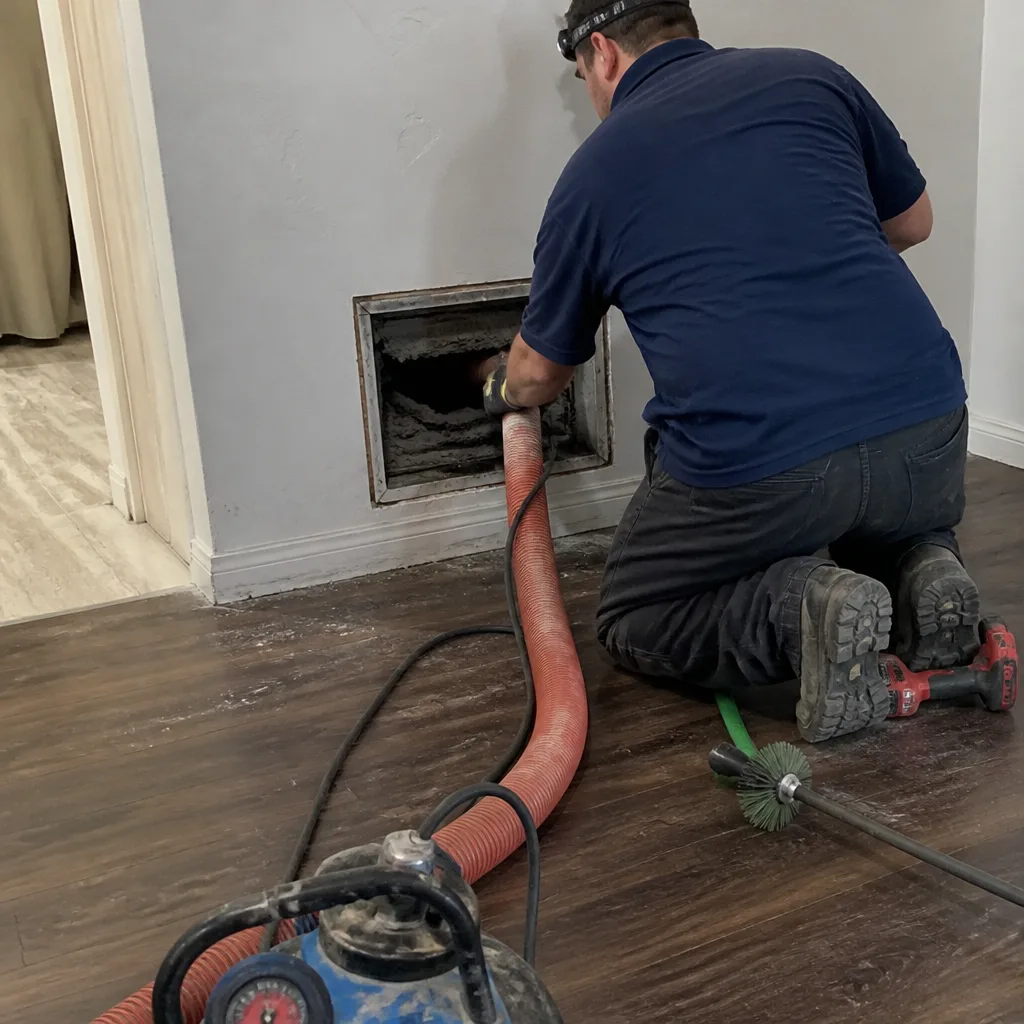 Before
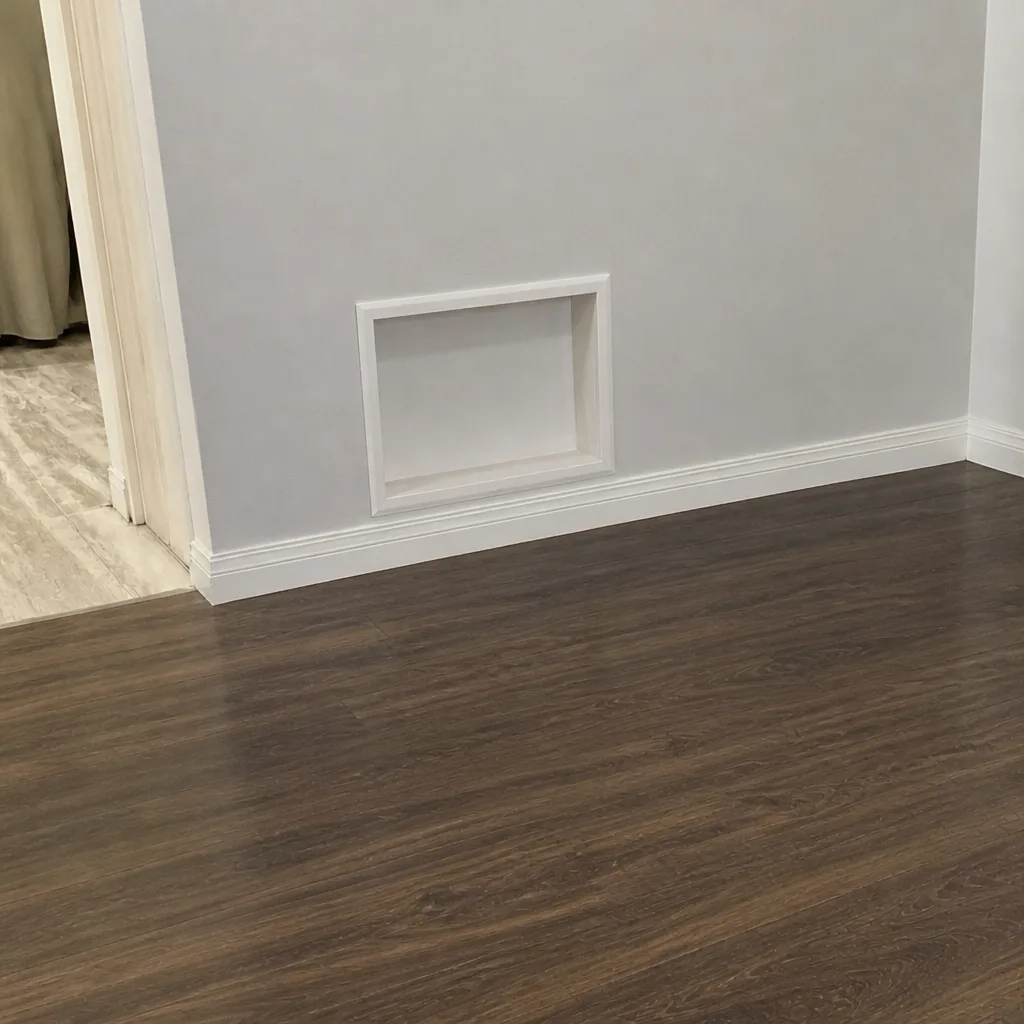 After
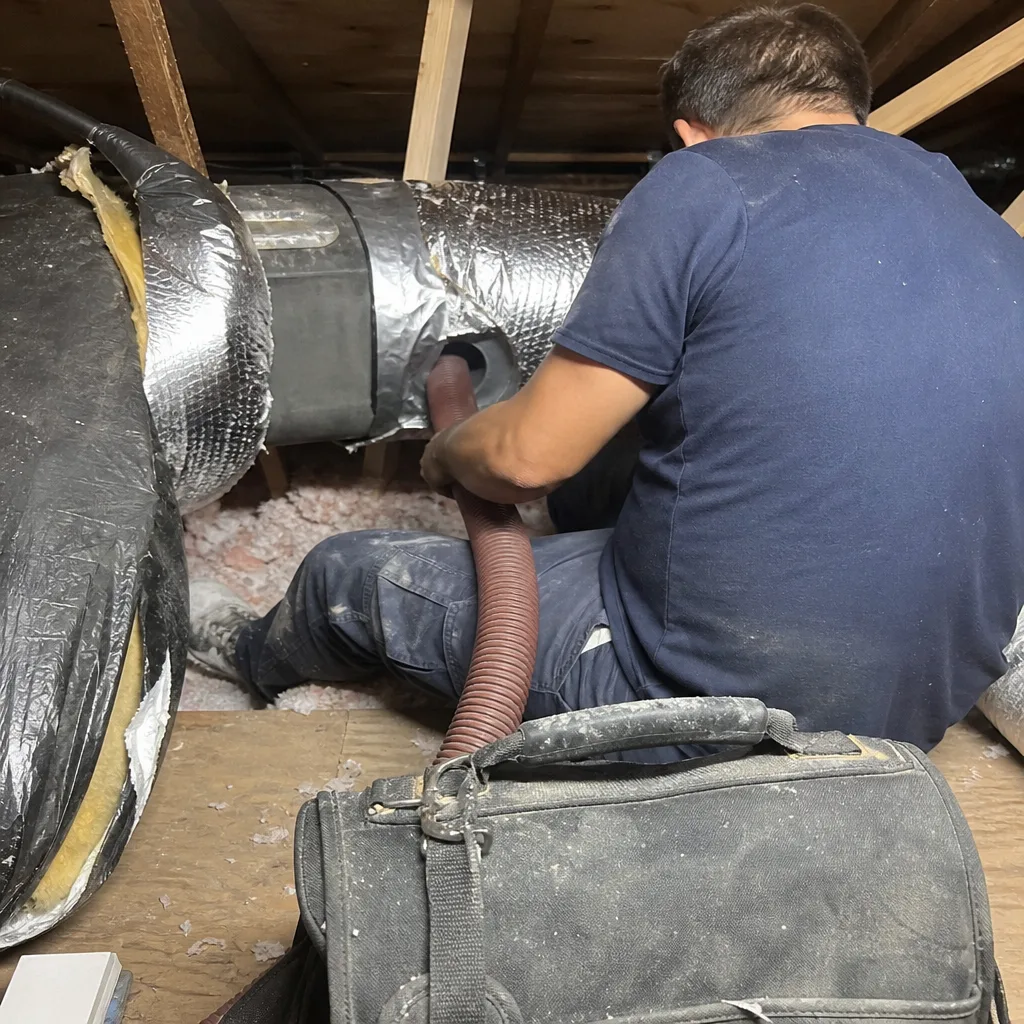 Before
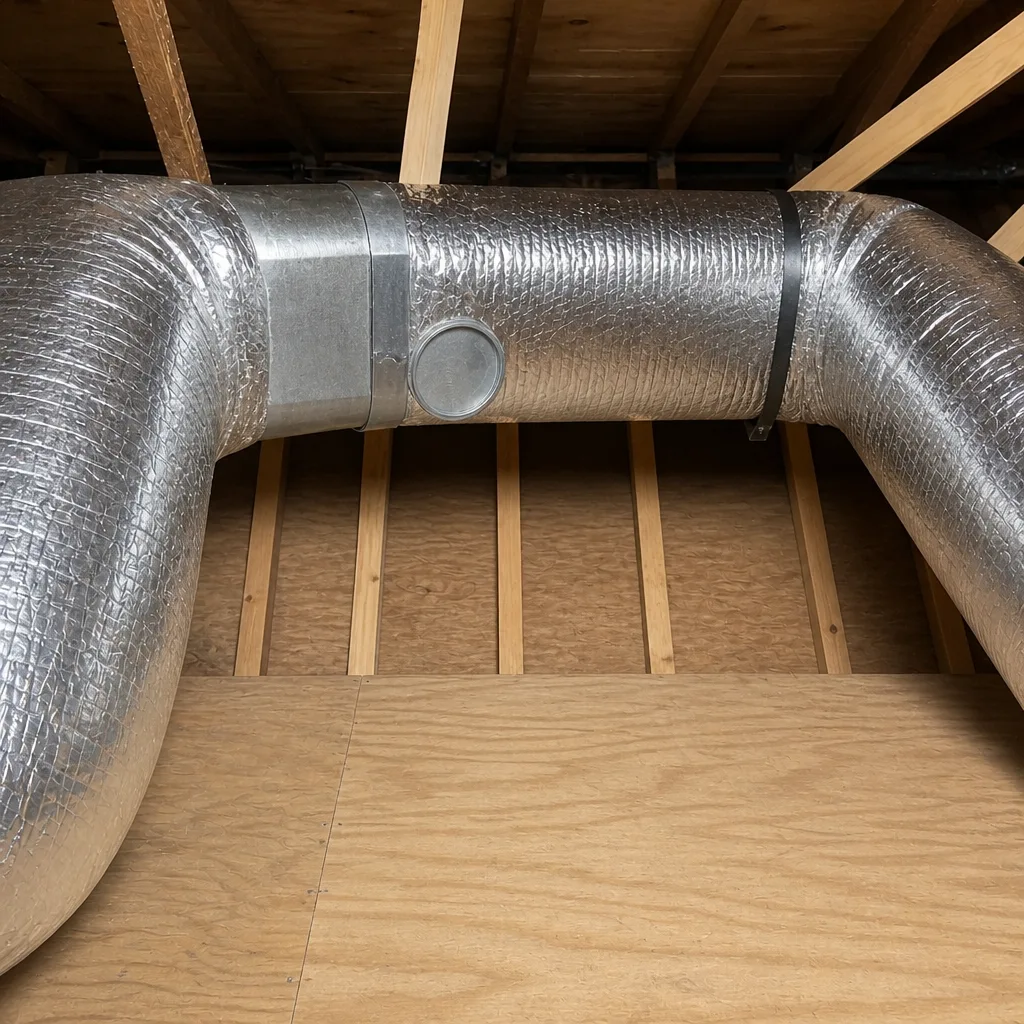 After
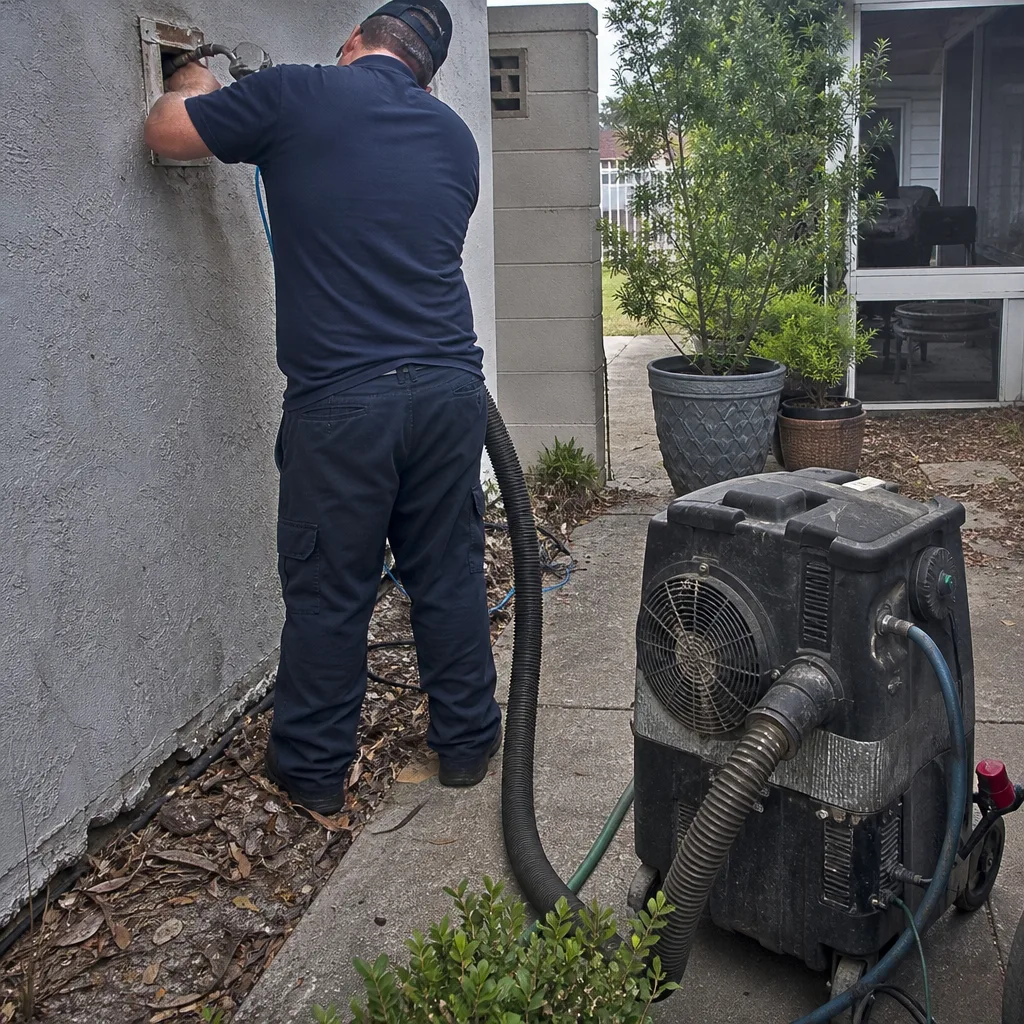 Before
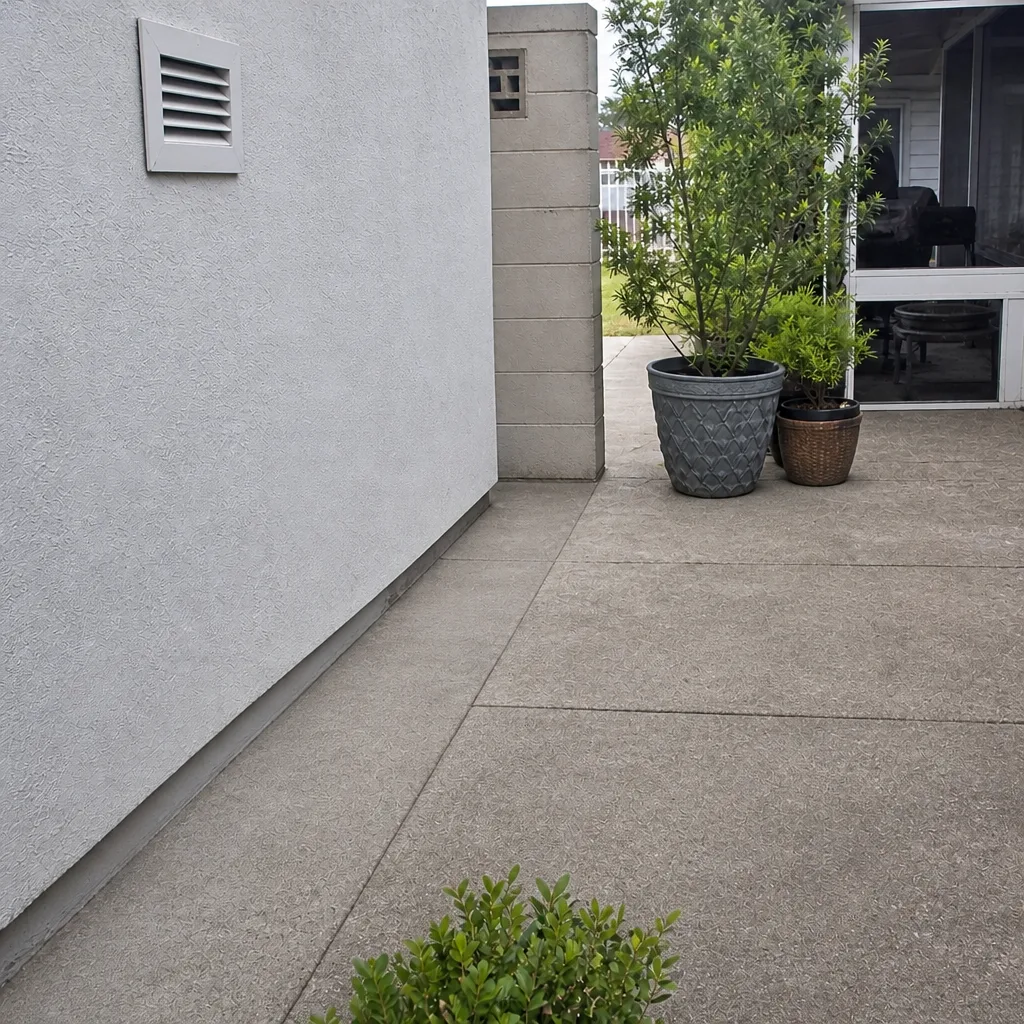 After
When to Call a Professional
Call a professional when you see visible dust or debris coming from registers, when the system has just come out of a renovation, when a new home’s maintenance history is unknown, when allergy symptoms track with time spent indoors, when dryer loads are taking noticeably longer to dry, or when ductwork is visibly sagging or torn. In all of these, the question isn’t whether the ducts need attention; it’s what kind and how much. Shield Air Duct Cleaning provides free estimates in St. Petersburg. Call (855) 967-4983. We answer 24/7. Fast dispatch from 7am to 7pm, Sunday through Friday. Professional-grade Rotobrush and Nikro equipment is used on every job, and you’ll see before-and-after photos of your own ducts before we call it finished. We clean it. We repair it. We protect it.
Frequently Asked Questions
Typical estimates in St. Petersburg run about $350-$550 for homes under 2,000 square feet, $550-$850 for 2,000-3,500 square feet, and $850-$1,400 and up for larger or multi-system homes. The written estimate sets the final price. Call (855) 967-4983 for an exact quote; estimates are free.
Because they’re quoting a different job. Low quotes usually skip source removal, skip containment, and rely on consumer-grade equipment that doesn’t reach past the register. A $99 “whole house” special is a surface vacuum, not a duct cleaning. Ask any cleaner what equipment they use by name, whether they cut access points, and how they verify the result. Call (855) 967-4983 to see what a real scope looks like.
Before-and-after photos of your own ducts, a visible demonstration of what was collected, and confirmation that every access point was sealed. A flat price per system agreed before work starts removes the temptation to upcharge on the back end. Call (855) 967-4983 for a job documented this way.
Because access point count and duct material are the real cost drivers. A small home with long duct runs and mixed materials can need more work than a larger home with tight routing. If someone prices you purely on square footage, they’re guessing at the work. Call (855) 967-4983 for an estimate that reflects your actual system.
Every few years for most homes, and more often after renovations, on a new purchase, or when pets, allergies, or high humidity create faster accumulation. The humidity here makes an inspection worthwhile even between cleanings. Call (855) 967-4983 to schedule one.
Yes. Shield Air Duct Cleaning offers air duct cleaning, dryer vent cleaning, and air duct repair as three services under one company. If a clean reveals damaged flex or a leaky run, we can identify and fix it rather than cleaning around it. Call (855) 967-4983 to scope the work.
The Bottom Line
A duct cleaning quote is only meaningful when you know what’s behind the number. Professional equipment, real labor hours, containment setup, and verification are what separate a legitimate job from a discount special. St. Petersburg’s housing stock means access points and duct material matter more than square footage, and add-ons are worth only as much as the specific problem they address. Get a flat price per system, ask for the equipment names, and insist on photos. If you’re ready to evaluate your own system on those terms, call Shield Air Duct Cleaning at (855) 967-4983 for a free estimate. We answer 24/7. Fast dispatch from 7am to 7pm, Sunday through Friday. You can also read more about Shield Air Duct Cleaning and the services we provide across St. Petersburg.
Written by the team at Shield Air Duct Cleaning.