
Last updated November 15, 2026
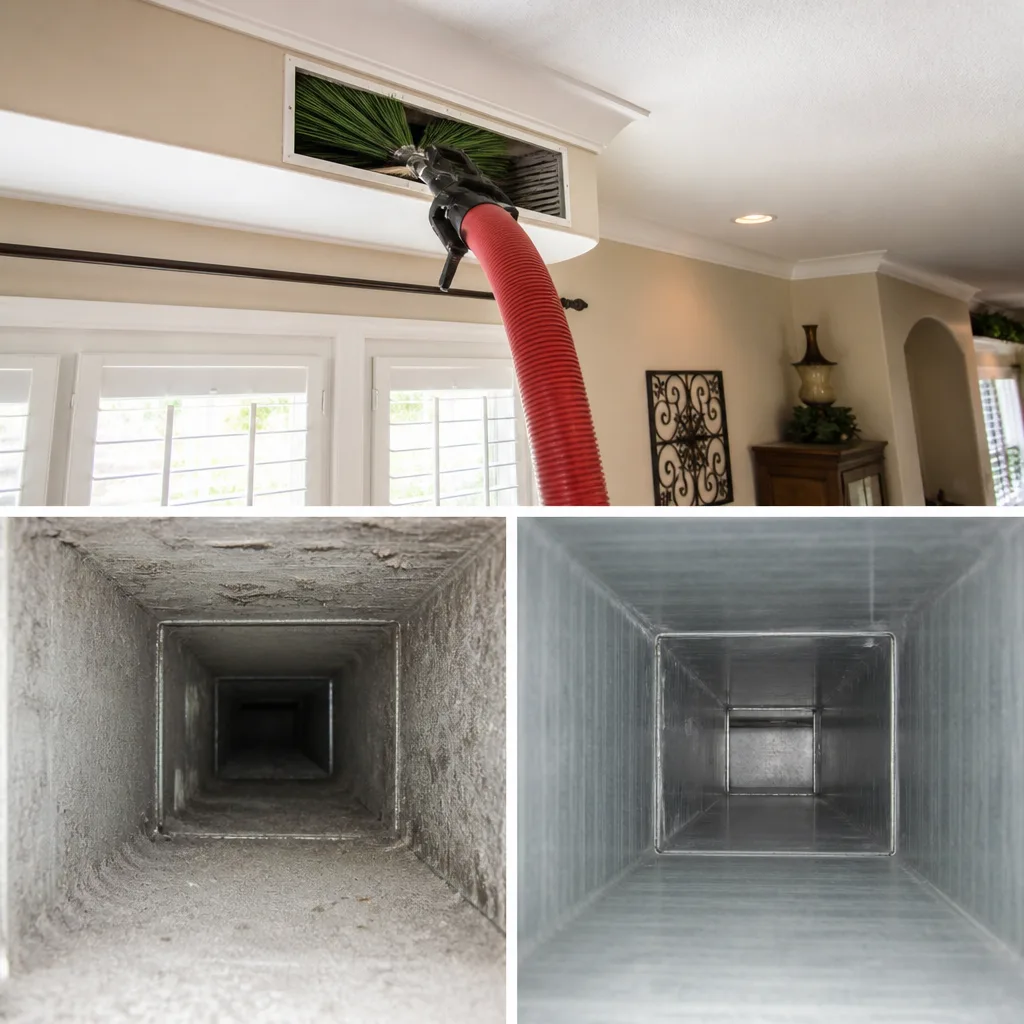 Whole-home duct cleaning
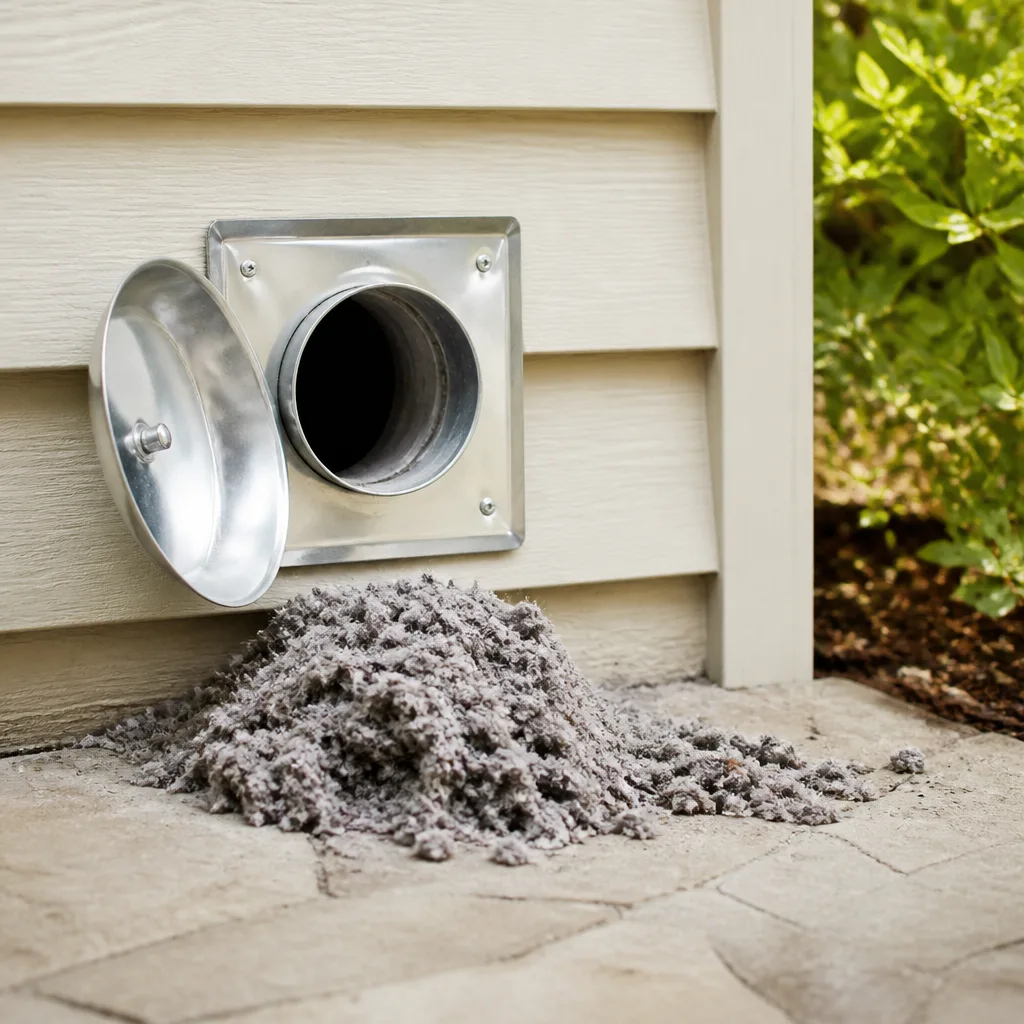 Dryer vent cleaning
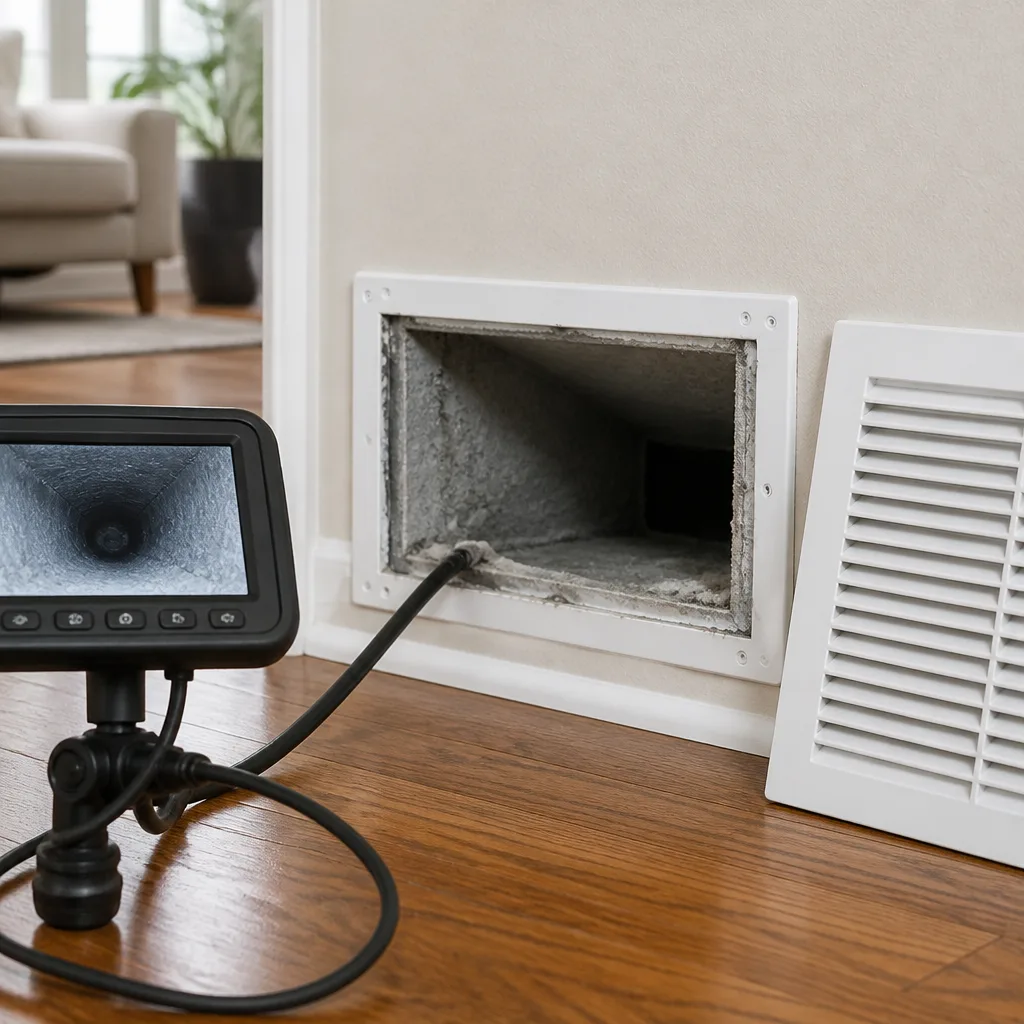 Camera inspection
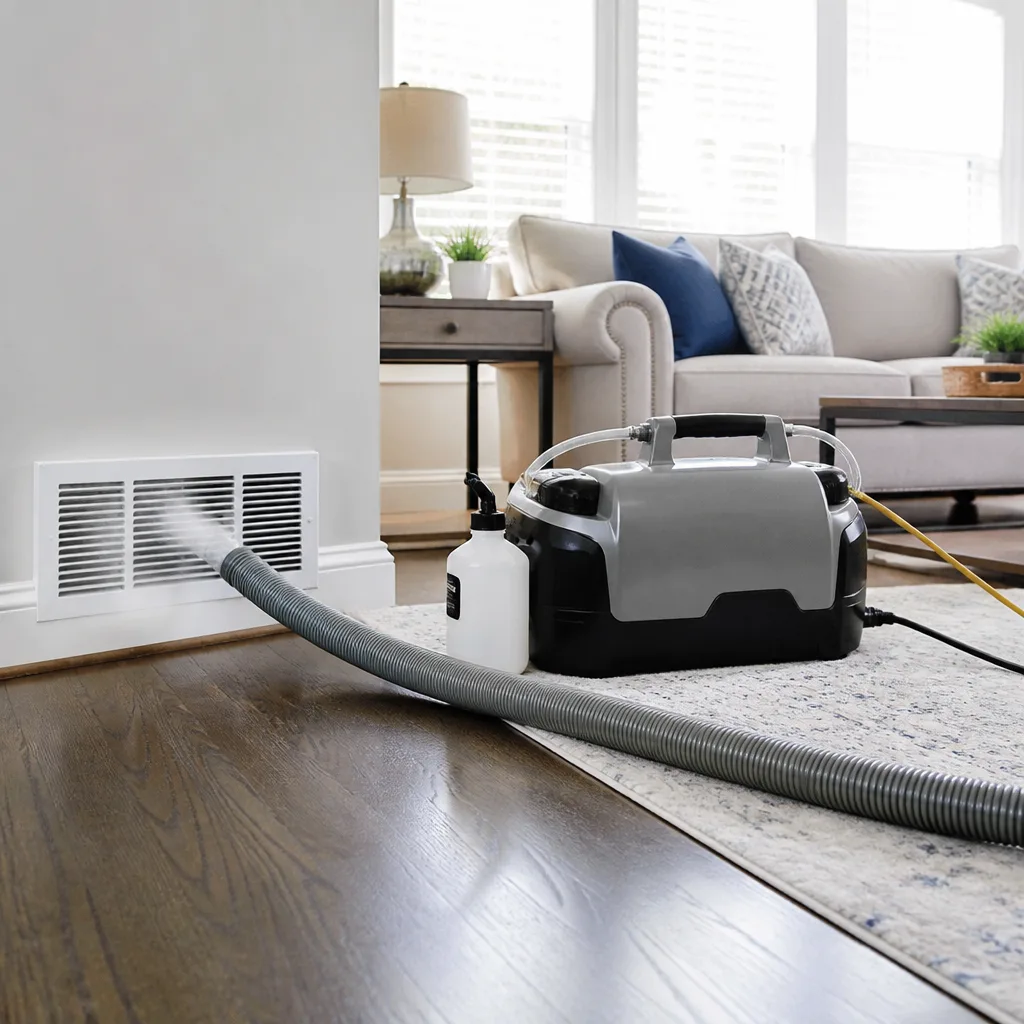 Sanitizing & deodorizing
Whole-system duct and dryer vent check with before-and-after photos - you see exactly what came out of your vents
That "$99 whole-house special" is a bait ad - the real number appears once they are in your hallway, or the "clean" is a shop-vac at the register. We photograph the inside of your ducts before and after instead.
Air Duct Cleaning Emergency Preparedness Guide for St. Petersburg Homes
Most homeowners prepare their ducts for nothing. They tape a tarp over a window, fill the bathtub, buy batteries, and never think about the network of flex duct running through their attic and crawlspace until weeks after the storm has passed. That’s the gap. Storm damage you can see gets fixed fast. Storm damage inside your duct system sits there, quietly pulling in humid air, until the smell or the allergy symptoms show up. We wrote this guide to close that gap for St. Petersburg homeowners, so you know what to seal, shut down, and document before a storm, how to inspect your ducts after, and what the real intervention window looks like in this climate.
Quick Answer
Post-storm air duct emergencies in St. Petersburg are almost always moisture problems, not debris problems. The critical window is roughly 48 hours after a storm passes to inspect and dry any duct section that took on humid air or water, because mold can start colonizing damp flex duct and interior insulation within days in this climate. A proper post-storm duct assessment includes containment, moisture mapping, and drying verification, and it should happen before you turn the system back on if the ducts were compromised.
Styles & brands we work with
- Whole-home duct cleaning
- Dryer vent cleaning
- Camera inspection
- Sanitizing & deodorizing
Table of Contents
- The Pre-Storm Duct System Checklist
- The Post-Storm Inspection Sequence
- Moisture Intrusion Timelines and the Intervention Window
- Working With Your Insurance Adjuster
- What Emergency Duct Cleaning After a Storm Should Include
- When Cleaning Isn’t Enough: Duct Repair After a Storm
- Common Mistakes to Avoid
- Frequently Asked Questions
The Pre-Storm Duct System Checklist
Preparation for a storm in St. Petersburg is mostly about reducing what your system will be exposed to. When a named storm is on track for Tampa Bay, you have a short window to act, and a handful of steps on your duct system will save you from a much bigger problem after.
Here’s what we recommend as a pre-storm duct protocol:
- Shut the system down fully. Turn off the thermostat and switch the air handler to OFF at the breaker if the storm is likely to knock out power. Running a fan while the barometric pressure drops and the building envelope is compromised can pull humid outside air and debris into the return side.
- Close and seal the return registers. In rooms where a window or slider is being boarded or left unsealed, close the return register and lay a strip of painter’s tape across the grille. This limits how much storm pressure and airborne moisture can be driven into the duct run.
- Check the flex duct connections you can reach. Open the attic hatch only if it’s safe to do so, and look at where the flex duct meets the boot at each ceiling register and where it connects to the plenum on the air handler. Loose or partially separated connections are the most common point of entry for humid air during a storm.
- Photograph everything. Take clear photos of the air handler, the plenum, every visible attic run, the filter slot, and each register. Date-stamp them if your phone allows. This documentation becomes your baseline if you need to file a claim later.
- Pull the filter and label the slot. Remove the current filter, photograph the slot, and tape the slot closed. Reinstalling a saturated filter after a storm is worse than leaving it out until you’ve inspected.
- Note the exact model names on your air handler and any IAQ accessories. Write down your thermostat, your filter housing, and any Guardsman or Honeywell accessory you see on the system. Knowing the equipment matters when you need a technician in fast.
None of this replaces closing storm shutters or securing the roof. It simply gets your air system into a state where a post-storm inspection can tell you something useful. Skip these steps, and your first clue that something went wrong inside the ducts is usually an odor or a spike in allergy symptoms weeks later.
The Post-Storm Inspection Sequence
Once the storm has passed and it’s safe to go outside, the first thing most homeowners in St. Petersburg do is walk the yard and look at the roof. The second thing they should do is inspect the duct system, before the air handler runs again. Here’s the order we recommend.
- Confirm the system is off. Thermostat off. Air handler breaker off. Don’t power anything up until you’ve made the two checks below.
- Walk each register and look for pressure damage. In flex duct, the most common storm failure isn’t a tear, it’s a disconnection. Look at where the flex duct enters the ceiling boot. A duct that was connected before the storm and is now pulled back a few inches, or has tape that has separated, has likely been pushed by the pressure changes during the storm. A flashlight and a phone camera in an attic can confirm without opening any walls.
- Check the air handler and plenum. Look for water staining on the cabinet, standing water in the drain pan, and separated tape or mastic at the plenum seams. If you see any of those, stop here and call for a professional assessment.
- Look at the insulation. Any interior duct liner or attic insulation that looks darker, damp, or collapsed has taken on moisture. Even if it dries on its own, the material often needs replacing.
- Document what you find. Photograph each issue with the register or air handler in frame. Note the date and time. Insurance adjusters respond better to a dated inspection record than to a complaint filed two weeks later.
- Only then, power the system back on. If the inspection turned up nothing, reinstall a fresh filter and run the system. If it turned up a problem, keep it off and call for a professional.
On the many homes we’ve seen in St. Petersburg with flex duct in the attic, this inspection takes fifteen minutes. That fifteen minutes is the difference between catching a moisture problem in hour 24 and finding mold in week 5.
Moisture Intrusion Timelines and the Intervention Window
The question we hear most after a storm in St. Petersburg is some version of “how long do I have before this becomes a mold problem?” The honest answer is: shorter than most people think, and it depends on how much moisture the duct system took on.
Here’s a general timeline for what happens to a duct system when it takes on humid air or water in this climate:
- Hours 0-24: The system is damp. The fiberglass liner and the dust film on the interior of the duct are holding moisture. This is the ideal window to intervene. A professional drying and assessment can resolve most situations in this window.
- Hours 24-48: The moisture has worked into the porous materials. In warm, humid post-storm conditions, that’s enough time for mold spores already present in the duct to start colonizing. This is still a workable window with professional containment and treatment.
- Days 3-14: Colonization becomes visible if you cut into the duct. You likely won’t see it from the register, but the smell will start to change and allergy-sensitive occupants will notice. Duct cleaning and treatment are usually still effective here, but you may be replacing more liner than you would have earlier.
- Weeks 3-6: This is when the call volumes spike after a major storm event, because the problem has become visible or symptomatic. At this stage, damaged sections and contaminated insulation usually need replacement, not just cleaning.
The 48-hour mark is the point where you go from “this can be cleaned and dried” to “this needs containment, remediation, and possibly a duct repair.” That’s not a scare number, it’s the practical reality of how porous material behaves in a warm, humid climate. St. Petersburg’s summer humidity is one of the main reasons the window is tight here. In a dry, hot climate, the timeline stretches out. Here, it doesn’t.
If you’re not sure whether your system is still in the workable window, err on the side of a professional look. A free estimate from a duct professional will tell you whether you have a cleaning job or a repair job.
Working With Your Insurance Adjuster
Duct damage in St. Petersburg is almost always a secondary claim. The wind took the shingles, the water got into the attic, and the ducts were collateral. Or the storm blew out a screen and rain came in sideways. Your insurer will cover the primary event, and how the duct damage gets covered depends on how well you document it.
Here’s what supports a claim on duct damage:
- A dated pre-storm record. This is why the pre-storm checklist above matters. If you have photos of the air handler and each register from before the storm, and photos of the same items after, you have a clear comparison.
- A professional inspection report. A written report from a duct professional that describes what was found, where, and with photographs is worth far more to an adjuster than a homeowner’s note. Ask for it in writing.
- Moisture readings if available. If your system was tested with a moisture meter, include the readings. Readings of the interior duct material at the time of inspection help establish that the moisture came from the storm and not from long-term condensation.
- A clear photo of the physical damage. A separated flex duct, a saturated liner, a water-stained plenum. These are the images that carry the claim.
- Invoices and work orders for any temporary measures. If you paid to have a section of duct removed or the system checked immediately after the storm, keep the invoice.
One important frame to remember: your insurer is more likely to cover duct repair than routine duct cleaning. Cleaning after a storm is straightforward to justify if the ducts were exposed to storm moisture or debris, but you’ll want the documentation to support it. We’ve seen adjusters approve duct repair quickly when the report is clear, and slow-walk the same claim when it’s just an anecdote.
We can work with your insurer to supply the report and photographs they need. It’s part of how a duct cleaning company should handle a storm-damaged system.
What Emergency Duct Cleaning After a Storm Should Include
Emergency duct cleaning in St. Petersburg after a storm is not the same service as routine duct cleaning. The scope is different, the equipment is different, and the outcome you should judge the job by is different.
Here’s what a proper post-storm duct service should include:
- Containment before anything is opened. Before any duct connection is broken or the air handler is opened, the work area should be under negative pressure with HEPA filtration. This is where professional equipment like an Abatement Technologies system matters, because it holds the dust and contaminants inside the work zone instead of redistributing them into the home.
- Moisture mapping. Every section of accessible duct should be checked for moisture with a meter. Sections that read high get flagged. You should see a map or a written record of what was found where.
- Cleaning with professional equipment. Rotobrush and Nikro systems are what we use on every job because they’re built for the interior of residential duct systems, not for surface dust. A shop vac doesn’t clean duct interiors and shouldn’t be sold as if it does.
- Treatment of the interior where needed. If moisture has penetrated the liner or the duct shows signs of active growth, the interior of the duct needs more than a pass with a brush.
- Drying verification before service closes. This is the step most often skipped. A moisture reading on the same sections after cleaning and drying should show the material has returned to a normal range. If it hasn’t, the job isn’t done.
- System performance check after. Airflow at each register and a reading on the pressure side tell you whether the system is functioning normally after the work is finished.
- A before-and-after photo record of your own ducts. You should be able to look at photographs of your system before and after the service and see the difference. This is also useful documentation for insurance.
A cheap quote from a coupon operator who shows up with a shop vac will not include containment, moisture mapping, or drying verification. Those are the three items that separate post-storm duct work from routine cleaning. If a quote doesn’t include them, it’s not the same service.
When Cleaning Isn’t Enough: Duct Repair After a Storm
Cleaning removes what’s inside a duct. It doesn’t reconnect a duct that has pulled apart, and it doesn’t repair a liner that’s been sagging since the storm. Knowing when you’ve crossed from cleaning into repair saves you from paying twice.
Duct repair is the right move when:
- A flex duct has separated from the boot at a register or from the plenum on the air handler. Pressure changes during a storm are a common cause, and cleaning won’t reconnect it.
- Interior duct liner has taken on water and is sagging, dark, or separating. New liner or a new flex section is the answer, not a cleaning pass.
- The plenum seams have opened or the mastic has failed. That’s a sealed-connection problem, and it needs to be resealed so the system can hold pressure again.
- A duct run has been physically damaged by debris or by an impact to the roof line. Cleaning the damaged section and leaving it in place doesn’t fix the leak.
This is where having duct repair as part of the same service matters. If we’re already on site doing the post-storm assessment and we find a compromised connection, we can fix it as part of the same job instead of sending you to a second contractor. We clean it. We repair it. We protect it. That’s the Shield-standard clean.
After a storm, the repair should happen before the cleaning is considered final, because a system that can’t hold pressure is going to pull air from the attic and bring new dust back into the ducts you just cleaned.
Common Mistakes to Avoid
A few specific mistakes we see St. Petersburg homeowners make after a storm. Each one runs the cost up.
- Running the system immediately after the storm to “see if it works.” If the return side took on humid air, running the fan pulls that air through the entire duct system and pushes it into every room. Check the ducts before you check the thermostat.
- Assuming the ducts are fine because the house didn’t flood. The 48-hour moisture problem after a storm isn’t a flood problem, it’s a humidity problem. Most post-storm duct issues we see are from humid air driven in through compromised connections, not standing water.
- Hiring the cheapest quote and calling it done. A low coupon price is almost never the actual price for post-storm work, because the cheap quote excludes containment, moisture mapping, and drying verification. You pay for the service twice if you have to redo it.
- Skipping the before-and-after photos. Without them, you have a receipt but you don’t have proof of what was found or what was done. Insurers ask for the photos. Homeowners who don’t have them lose leverage.
- Waiting on the smell. By the time your ducts smell wrong in St. Petersburg’s summer humidity, you’re already in the weeks 3-6 window above. Earlier is cheaper.
- Putting the storm-wet filter back in. A saturated filter grows things in about 24 hours and then feeds them straight back into the system. Swap it for a fresh one before you run the system again.
- Letting a general handyman reseal storm-damaged duct with duct tape. Cloth duct tape fails on its own inside a hot attic. Sealing a storm-damaged flexible duct connection needs mastic or the correct pressure-sensitive foil tape, applied by someone who repairs duct for a living.
See the difference
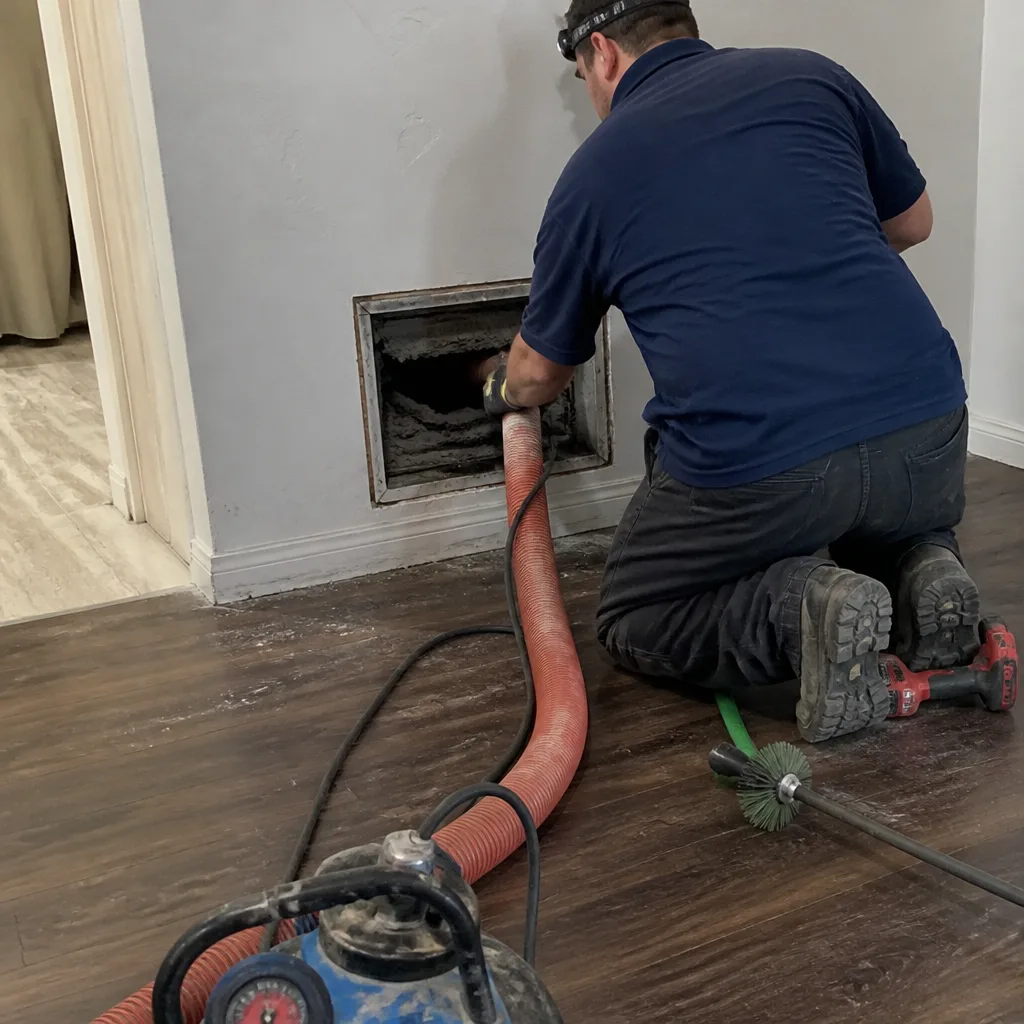 Before
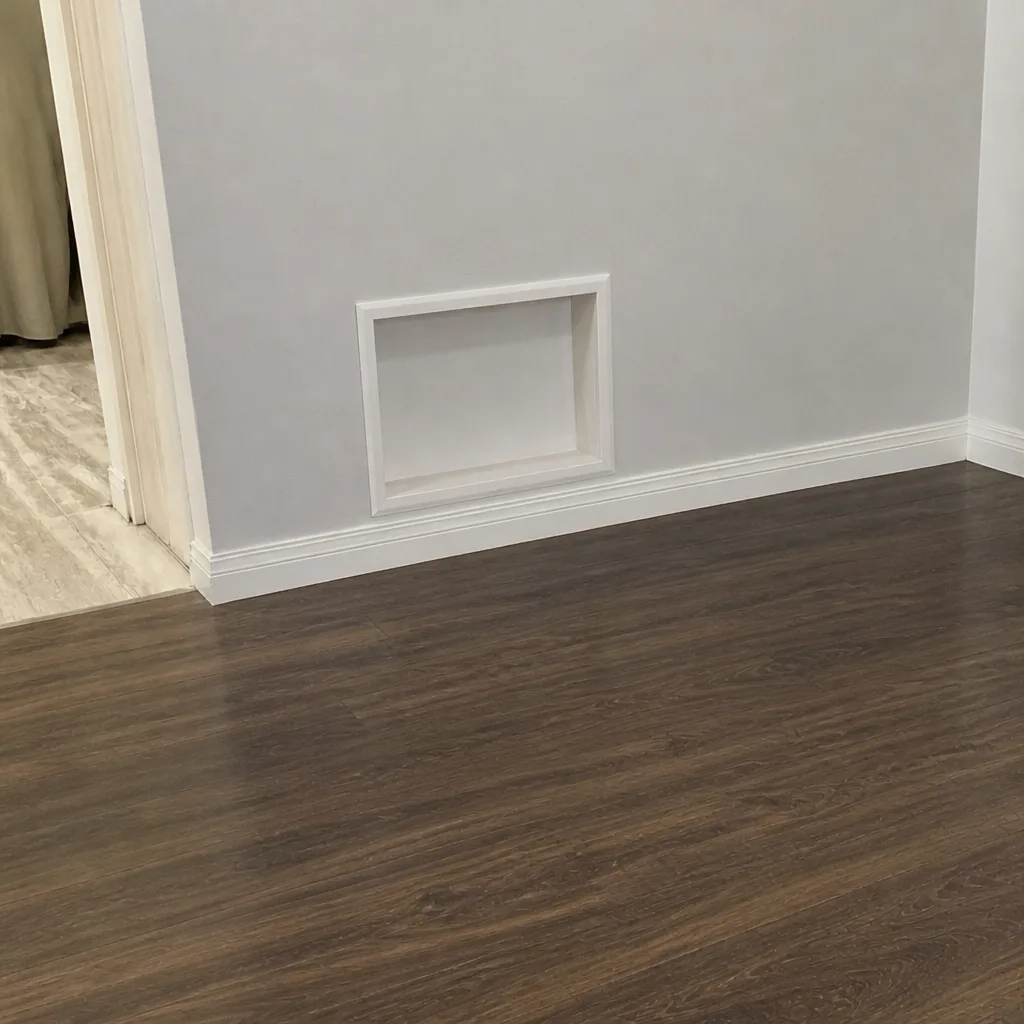 After
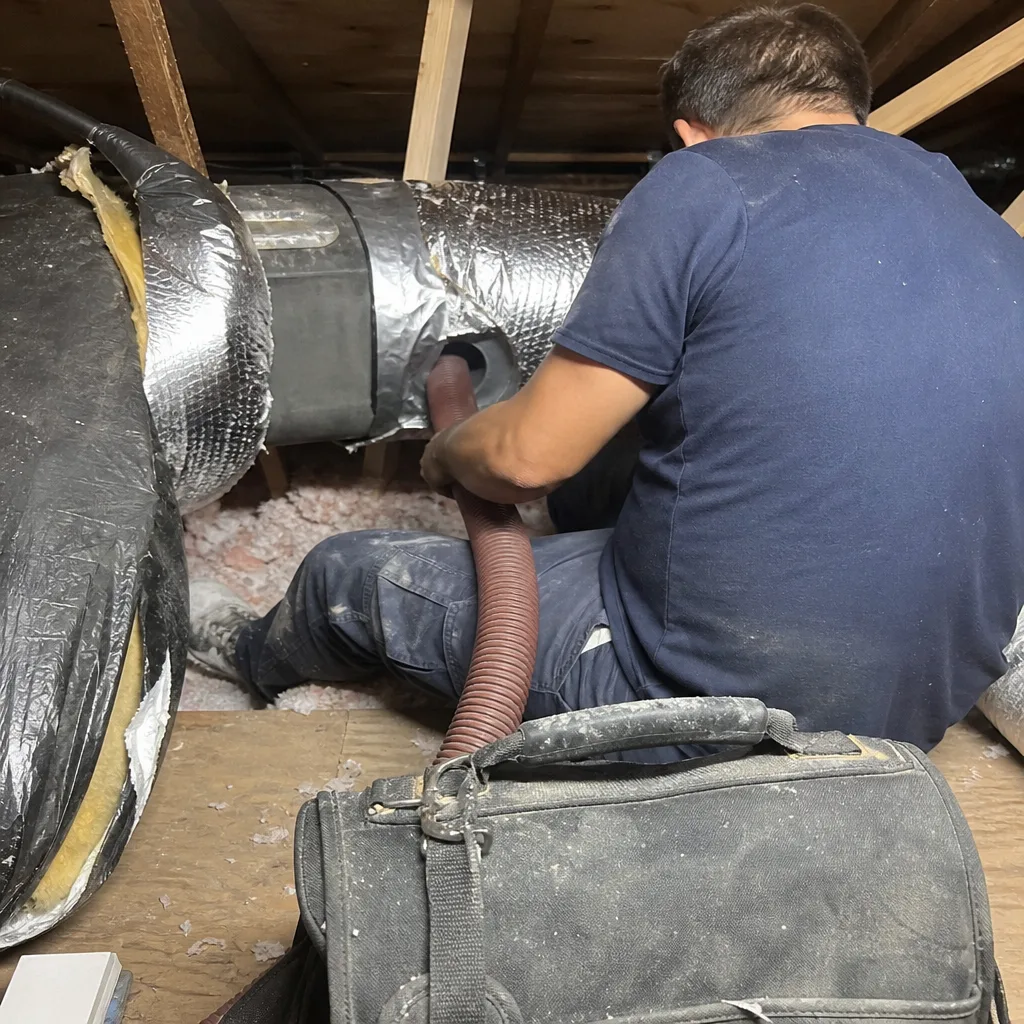 Before
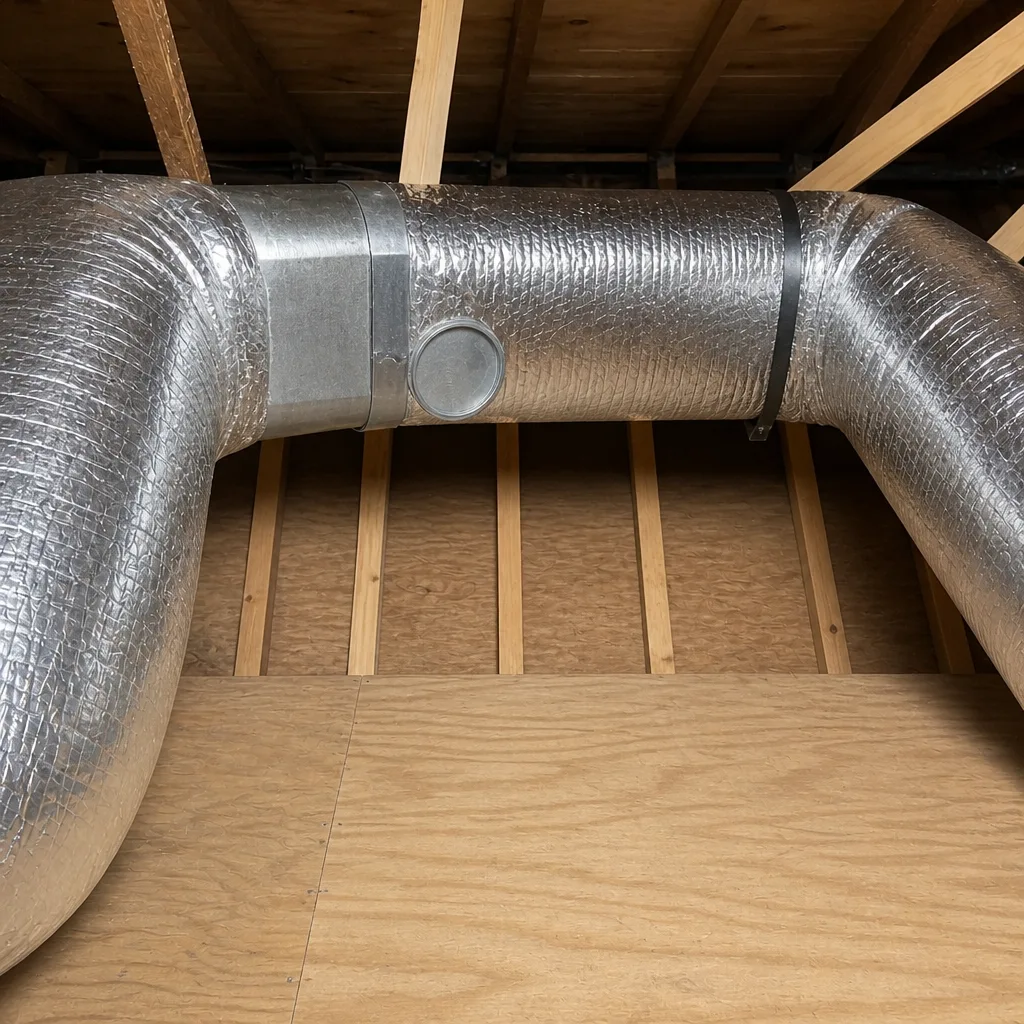 After
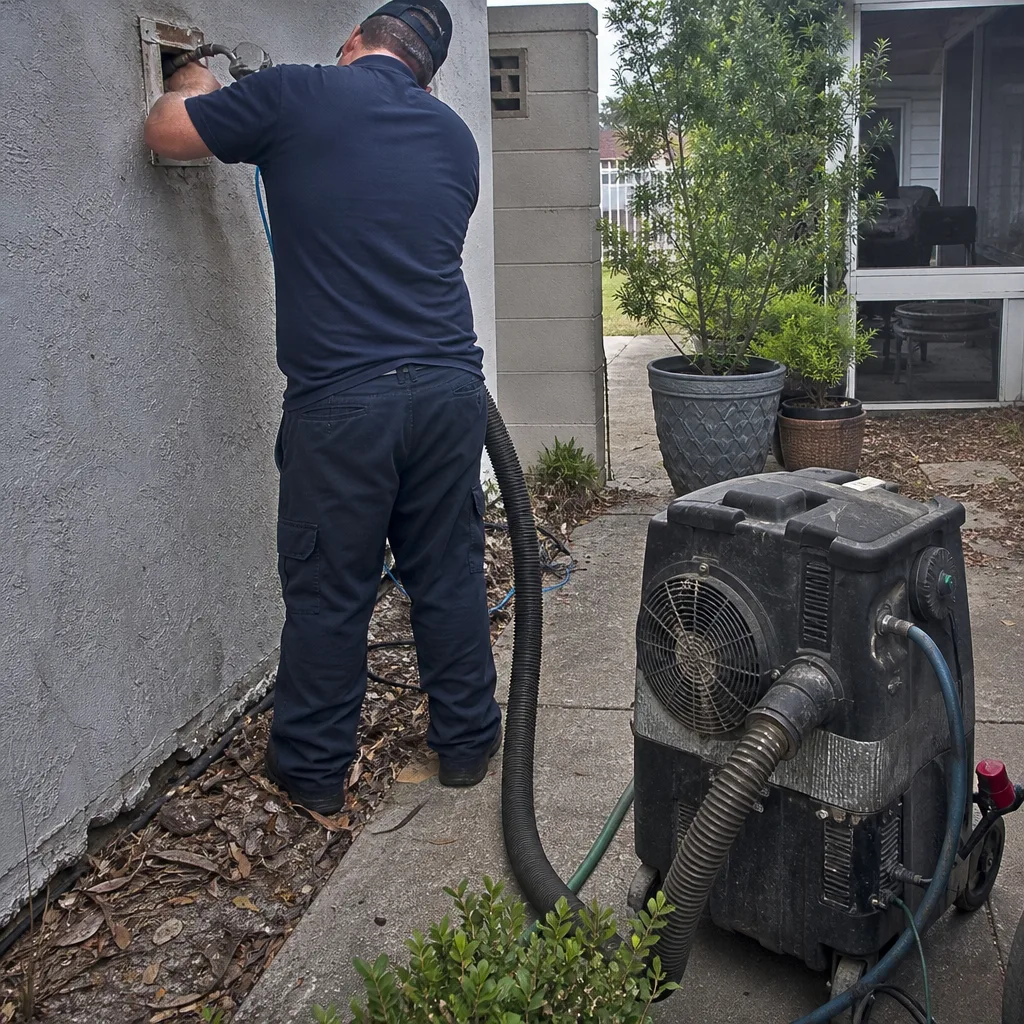 Before
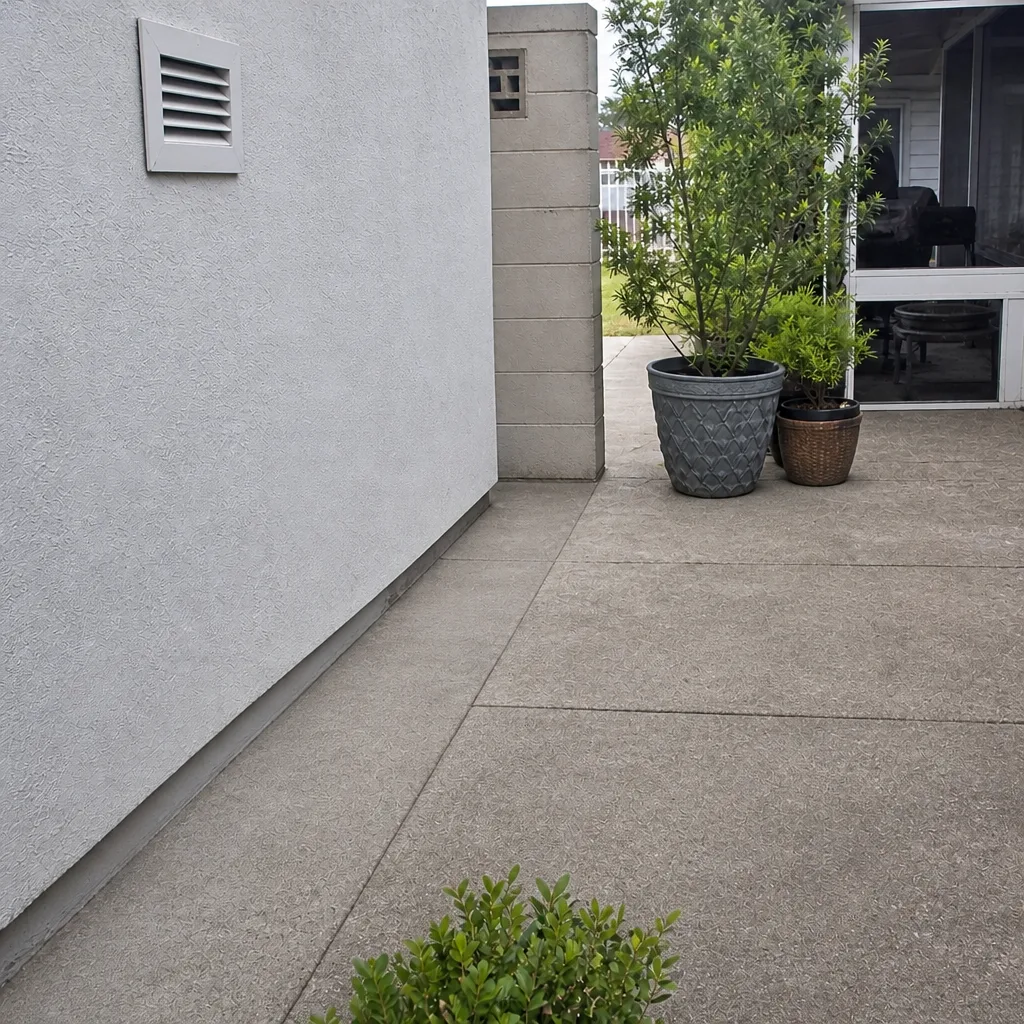 After
When to Call a Professional
Call a professional in St. Petersburg when any of the following is true after a storm: the air handler or plenum shows water staining; a flex duct has visibly separated from a boot or plenum; the attic insulation around the air handler looks damp; the interior duct material reads as damp on a moisture meter; or anyone in the home has started reacting to the air within days of the storm. A family with allergies or anyone with asthma in the home should call earlier rather than later, because the duct system is often the fastest path for post-storm contaminants to circulate. Shield Air Duct Cleaning offers free estimates in St. Petersburg – call (855) 967-4983. We answer 24/7. Fast dispatch from 7am to 7pm, Sunday through Friday. Our technicians have up to 12 years of experience and they work with professional-grade equipment on every job.
Frequently Asked Questions
As soon as it’s safe to walk the property, ideally within the first 48 hours. That’s the window before moisture that entered through compromised duct connections has a chance to start mold colonization in the duct materials. If you can’t get a professional out in that window, close the return registers and keep the system off until you can. Call (855) 967-4983 to book a free estimate – we answer 24/7 with fast dispatch from 7am to 7pm, Sunday through Friday.
Post-storm duct work in St. Petersburg is priced per system, not per vent, and the number depends on the size of the system, how many duct runs are involved, and whether repair is needed. Routine whole-system cleaning is one job; post-storm containment, moisture mapping, and drying verification is a larger job with more equipment. The exact price is set by the written estimate after a free on-site assessment, and you approve that price before any work starts. Call (855) 967-4983 for an exact quote – estimates are free.
Because they’re not the same service. A cheap quote typically covers a surface pass with consumer-grade equipment and leaves out containment, moisture mapping, drying verification, and any duct repair that’s needed. What looks like half price is usually a quarter of the job. Ask any company what their quote includes, in writing, before you book. Call (855) 967-4983 and we’ll walk you through the difference.
You should see before-and-after photographs of your own ducts, a written record of the moisture readings taken before and after drying, and a system performance check at the registers. If a company finishes a post-storm job without any of those, you don’t have proof the work was done. Every Shield-standard clean includes the photo record. Call (855) 967-4983 for a free estimate.
Duct work is often covered when it’s documented as part of a covered storm event, especially if there’s physical damage to the ducts or moisture that can be traced to the storm. The key is the documentation: dated pre- and post-storm photos, a written inspection report, and moisture readings. We can work with your insurer and supply the report and photos they need. Call (855) 967-4983 to start the process.
For most St. Petersburg homes, routine duct cleaning makes sense every few years, or sooner if there’s been a renovation, a new pet, a new baby, or a recent move into a home with an unknown history. Post-storm is a separate schedule. Storm exposure moves the timeline up regardless of when the last cleaning was, because it’s about moisture intrusion specifically. Call (855) 967-4983 for a free estimate and we’ll tell you honestly whether you need a cleaning or just an inspection.
The Bottom Line
Storm prep for a St. Petersburg home is a pre-storm checklist, a post-storm inspection, and a 48-hour decision window. Shut the system down before the storm, seal and photograph what you can, and inspect the ducts before you turn the fan back on. If moisture got in, get it professionally contained, mapped, and verified dry, and keep the documentation in case your insurer needs it. Cleaning and repair are two different jobs, and any post-storm service worth paying for should include containment, moisture mapping, and drying verification. Our technicians have up to 12 years of experience, and we handle cleaning, dryer vent service, and duct repair under one roof – which means one call for the whole air system, not three.
Get a Free Post-Storm Duct Assessment in St. Petersburg
If a storm has moved through and you’re not sure what it left inside your ducts, the next step is a proper look. Shield Air Duct Cleaning offers free estimates on air duct cleaning and duct repair in St. Petersburg and the surrounding area. Our technicians work with Rotobrush, Nikro, and Abatement Technologies equipment on every job, and they’re trained on Guardsman, Honeywell, and Aprilaire systems, so they understand your whole air system, not just the inside of the ducts. Insured and bonded, one flat price per system agreed before work starts, before-and-after photos of your own ducts. Call (855) 967-4983. We answer 24/7. Fast dispatch from 7am to 7pm, Sunday through Friday.
Written by the team at Shield Air Duct Cleaning.