
Last updated November 15, 2026
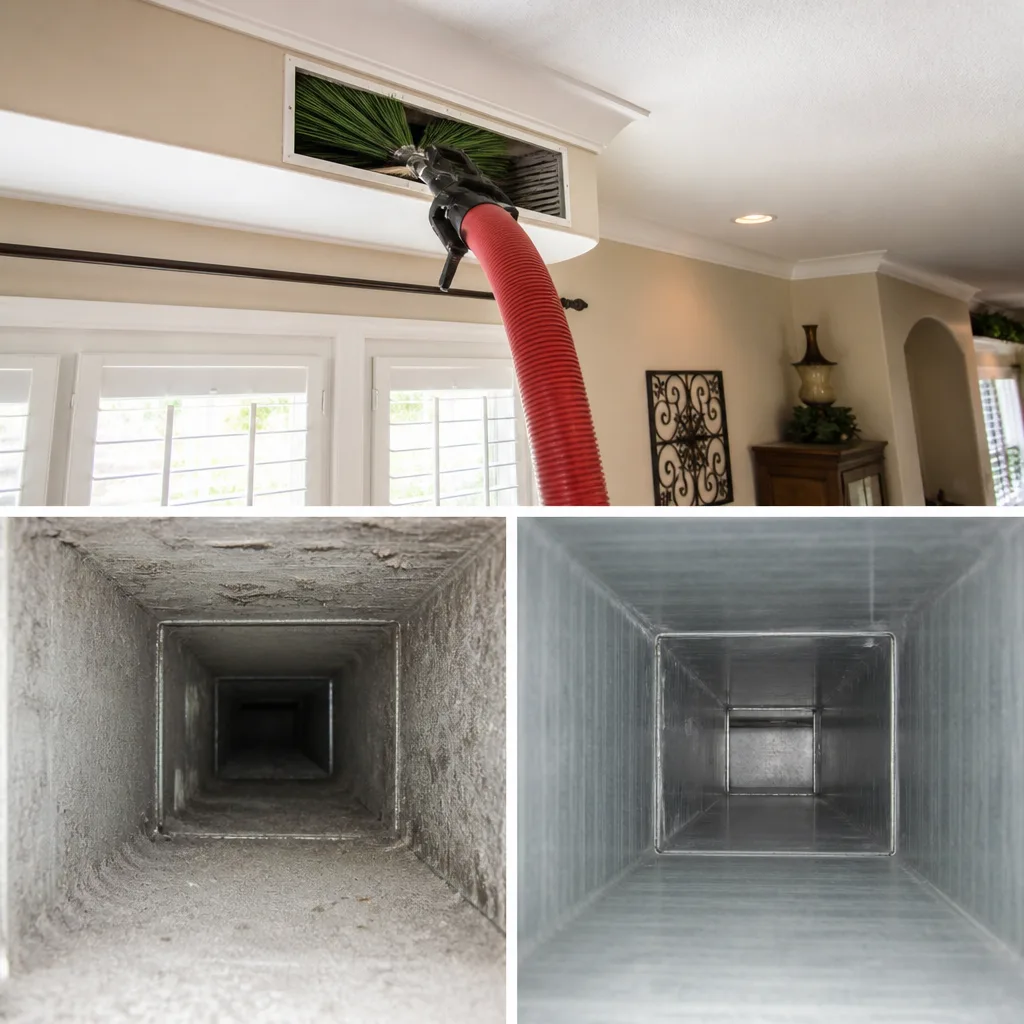 Whole-home duct cleaning
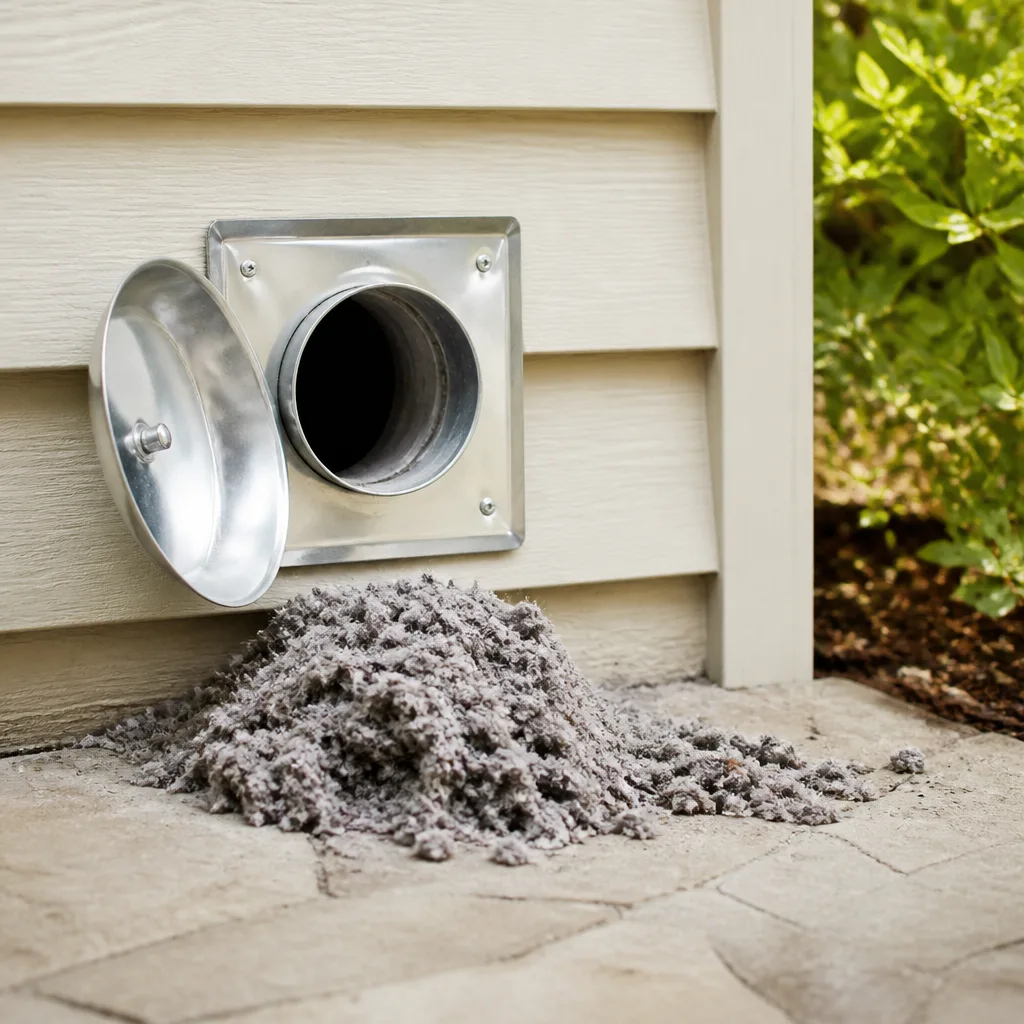 Dryer vent cleaning
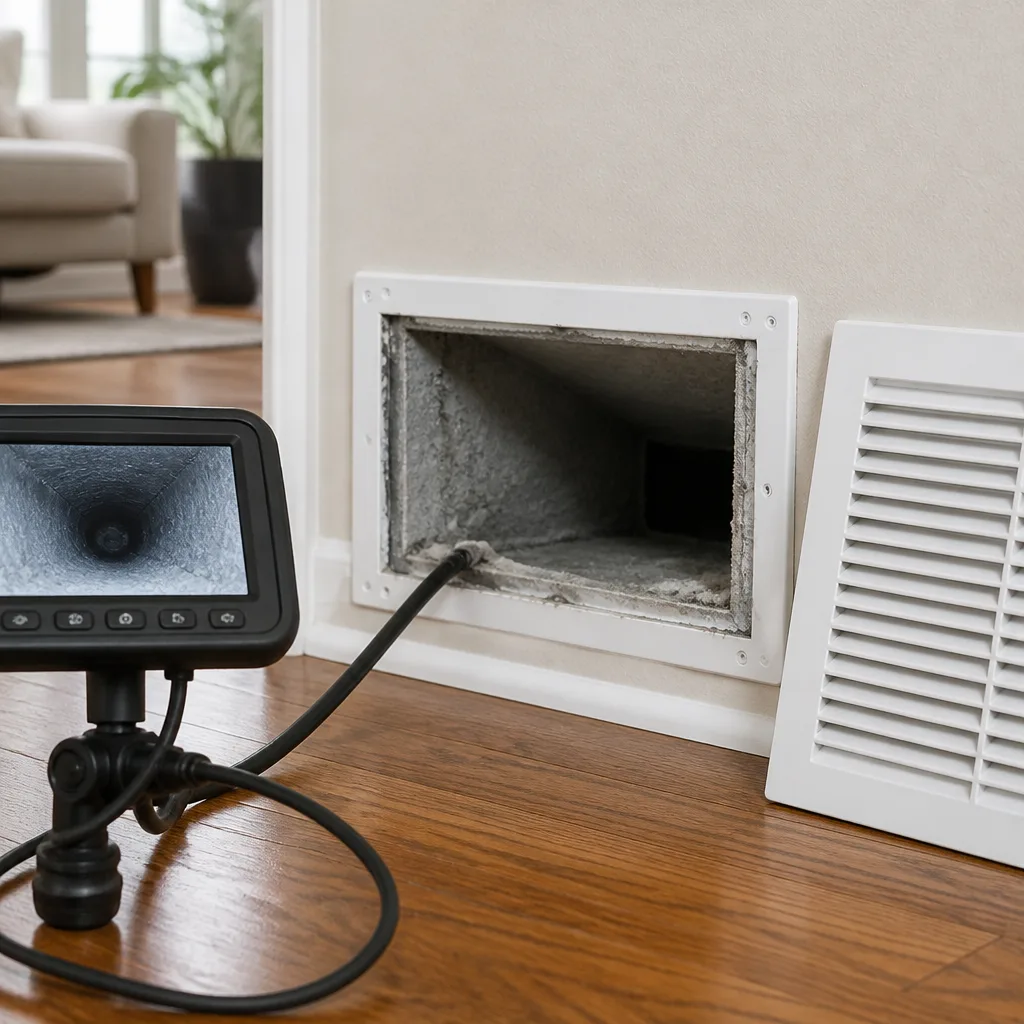 Camera inspection
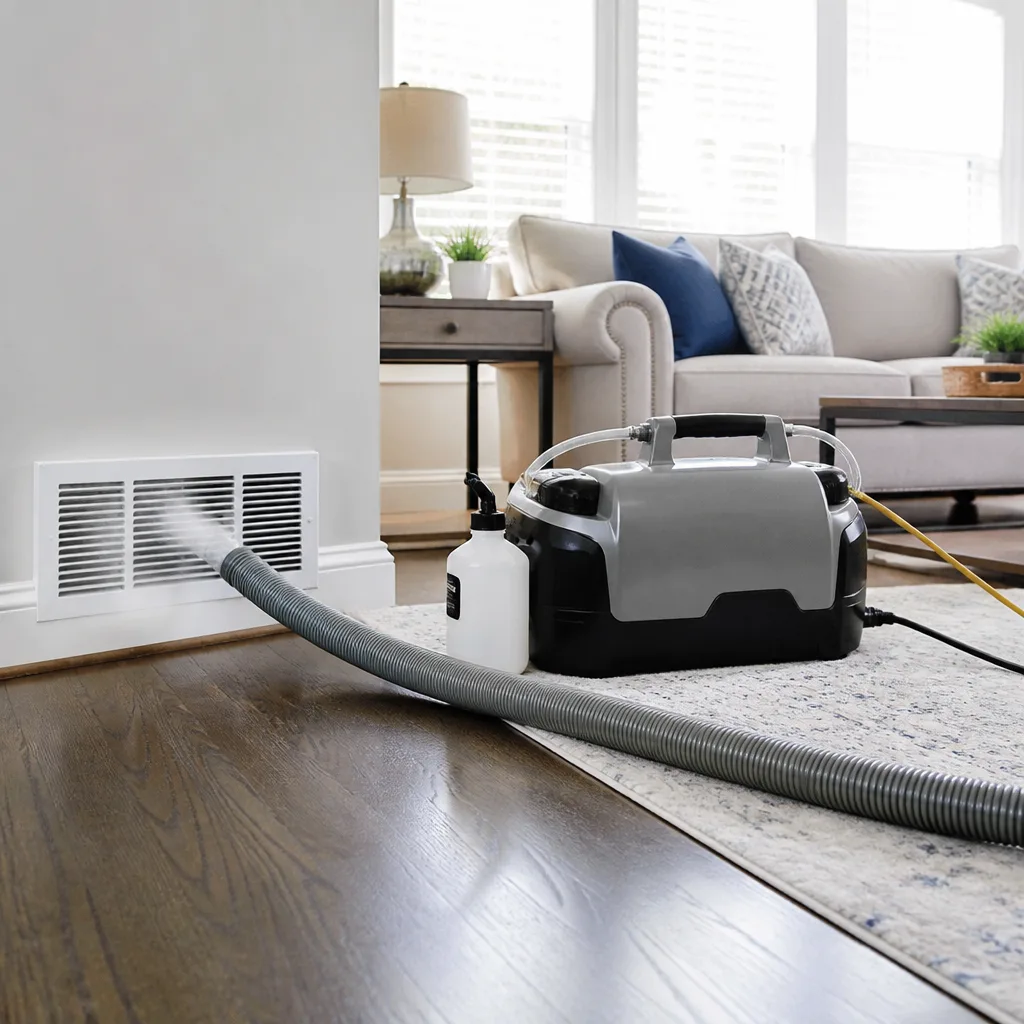 Sanitizing & deodorizing
Whole-system duct and dryer vent check with before-and-after photos - you see exactly what came out of your vents
That "$99 whole-house special" is a bait ad - the real number appears once they are in your hallway, or the "clean" is a shop-vac at the register. We photograph the inside of your ducts before and after instead.
DIY vs Professional Air Duct Cleaning: The St. Petersburg Homeowner’s Decision Guide
Most homeowners assume duct cleaning is about scrubbing. It isn’t. It’s about pressure. A consumer vacuum spinning at the end of a flexible brush pulls a small stream of air from a duct run that may travel 30 feet through walls and attic space before it ever reaches the register. Whatever debris sits beyond that first few feet doesn’t get pulled out. It gets bumped, loosened, and left to settle again. That’s the part the how-to videos skip. In this guide we’ll walk through the actual airflow math behind a duct system, what a homeowner can genuinely accomplish without commercial equipment, and the specific situations in St. Petersburg where the decision isn’t really a decision at all.
Quick Answer
DIY duct cleaning can handle surface work at the registers, grilles, and accessible returns, but it cannot extract debris from full duct runs because consumer vacuums and shop vacs produce nowhere near the airflow a commercial unit does. Professional cleaning is necessary when you’re dealing with post-renovation dust, visible mold, long-neglected systems, or health concerns in the household. For most St. Petersburg homes with duct runs longer than a few feet, the honest answer is that DIY cleans the entry point and professional cleaning cleans the system.
Styles & brands we work with
- Whole-home duct cleaning
- Dryer vent cleaning
- Camera inspection
- Sanitizing & deodorizing
Table of Contents
- Why Consumer Vacuums Can’t Clean a Full Duct Run
- What DIY Duct Cleaning Actually Does Well
- The Real Risk of Partial DIY Cleaning
- DIY vs Professional: The Honest Cost Comparison
- When Professional Cleaning Isn’t Optional in St. Petersburg
- What Professional Duct Cleaning Actually Involves
- How to Inspect Your Own Ducts Before Deciding
- Florida Humidity and the Duct Problem Nobody Talks About
Why Consumer Vacuums Can’t Clean a Full Duct Run
A shop vac attached to a dryer vent brush generates somewhere in the range of 50 to 80 cubic feet per minute of suction at the tool head. A professional duct cleaning unit – whether it’s a portable system running through the home or a larger unit connected to the main trunk – moves air at 2,000 to 4,000 CFM. The gap is roughly 30 to 70 times the airflow. That’s not a tuning issue. It’s the difference between a hand pump and a fire hose.
Why does that matter so much in a duct system? Because ducts are a network, not a straight pipe. Air takes the path of least resistance. A small vacuum pulling at one register creates next to no pressure differential across the rest of the system – the branches, the trunk line, the return plenum, the coil cabinet. Debris sitting on the interior walls of a 20-foot run never feels meaningful suction. It stays put, or worse, it gets disturbed.
Professional systems work differently. Two things happen at once. A high-volume vacuum applied to the main trunk pulls the whole system into negative pressure so the air inside the ducts wants to move toward the extraction point. At the same time, a compressed-air whip or rotary brush travels the length of each run, agitating debris off the interior walls and driving it into that airstream. The combination is what removes material. Either one alone doesn’t.
The pressure differential, in plain terms
Negative pressure is the entire mechanism. Pull the air out of a sealed system and the makeup air rushes in through every open register and return, carrying loose debris with it. That only works if the equipment can actually depressurize the ductwork. A consumer unit cannot, which is why so many homeowners who try DIY cleaning end up with a system that looks cleaner at the grille and behaves exactly the same four months later.
What DIY Duct Cleaning Actually Does Well
We’re not here to tell you the vacuum at the register does nothing. It does something specific and useful if you do it right. Here’s the honest list of what a homeowner can handle without professional equipment:
- Register and grille cleaning. Pull the supply registers and return grilles, wash them in the sink or hose them off outside, and dry them fully before reinstalling. This is the easiest visible win in duct maintenance.
- Return grille filter maintenance. If you have a filter grille on the return side, replacing or cleaning that filter on schedule does more for indoor air than most people realize.
- Visual inspection. A flashlight and a phone camera can tell you a lot. Look for dust buildup, moisture, pest evidence, disconnected joints, and torn interior insulation.
- Surface vacuuming at the boot. The short transition from the floor register down into the main run can collect a surprising amount of loose debris and is reachable with a shop vac and a crevice tool.
- Dryer vent lint removal at the outdoor termination. Clearing the flap and visible lint at the exterior is legitimate and worth doing.
Notice what’s not on that list: cleaning the interior of the branch runs, the trunk line, the plenum, or the coil cabinet. Those require negative pressure and mechanical agitation working together. That’s the line between homeowner maintenance and professional service.
The Real Risk of Partial DIY Cleaning
Here’s the counterintuitive part. A partial DIY cleaning can leave a home’s air temporarily worse than before. Disturbing dust and debris on the interior walls of a duct without adequate extraction doesn’t remove it – it breaks it loose. Some of that material drops into the airstream and lands in the living space. Some of it redistributes down the duct and settles in a different spot. Either way, you’ve moved the problem rather than solved it.
That’s why timing matters too. If you do a partial cleaning right before allergy season, the disturbed debris may cause a few days of noticeable air quality issues before the system reaches some new equilibrium. In a household with anyone sensitive to particulates, that’s a real downside.
The insulation question
Many duct systems in St. Petersburg homes – particularly older ones, or systems routed through unconditioned attic space – have interior duct liner or wrapped exterior insulation. Agitating that lining with a brush in the wrong way can tear it. Once that happens, the exposed surface becomes a collection point for moisture and dust, and no amount of cleaning fixes it until the damaged section is repaired. This is one of the reasons professional duct repair and duct cleaning belong with the same company. We see this on jobs across St. Petersburg more often than homeowners expect.
DIY vs Professional: The Honest Cost Comparison
Let’s put numbers in the same place. Here’s the actual comparison most guides avoid, because it’s inconvenient for both sides of the argument.
DIY path
- Shop vac rental if you don’t own one: modest, often a fraction of the cost of a professional job
- Duct brush kit or vent cleaning attachment: variable, one-time purchase
- Filter replacements: standard homeowner cost either way
- Time: an afternoon for registers and reachable boots, and realistically a full day or more if you try to work every run
- Likely outcome: surface work done, duct interiors untouched, and a decision to revisit the question in six months
Professional path
A whole-system cleaning is priced by the job based on the size of the home and the number of systems, and – this is important – the price is set by a written estimate before any work begins. There’s no per-vent fee, no teaser coupon, and no truck-arrival surprise. Equipment used is professional-grade: Rotobrush and Nikro systems for the cleaning work, with Abatement Technologies equipment for jobs where HEPA-level containment actually matters, like post-renovation or confirmed contamination scenarios. The outcome is a system interior that’s genuinely been cleaned, with before-and-after photos so you know the work happened.
The honest verdict on cost
If the question is “which is cheaper on paper,” DIY is cheaper on paper. If the question is “which actually solves the problem,” the timeframe matters. DIY cleanings usually need to be repeated when they don’t work, and meanwhile the system is running with the same debris load. Most homeowners who go the DIY route on a system that needed real cleaning end up booking a professional job within a year anyway. That’s the cost of a deferred solution.
When Professional Cleaning Isn’t Optional in St. Petersburg
Some situations make the decision for you. These are the ones we see most often, and in each case, DIY equipment simply can’t address the actual problem:
- Post-renovation dust. Drywall dust is fine, pervasive, and gets into every return in the house. It clogs filters, settles into duct lining, and coats the coil. A system after a renovation needs real extraction, not a wipe-down.
- Confirmed mold presence. If you’ve seen visible mold growth on a register, near the coil, or inside the plenum, that’s a containment problem, not a dust problem. It calls for HEPA-level equipment and controls – Abatement Technologies systems exist for exactly this scenario.
- Immunocompromised or sensitive household members. Newborns, elderly family members, anyone with asthma or a compromised immune system raises the bar for indoor air quality. DIY cleaning can’t be verified, and verification is what matters.
- Systems untouched for 5+ years in Florida humidity. St. Petersburg’s climate keeps a certain amount of moisture in the air most of the year. A system that hasn’t been cleaned in five years or more has likely accumulated enough debris and moisture to warrant a professional look, and possibly interior inspection.
- A newly purchased home. You don’t know the history of the ductwork. A professional cleaning and inspection tells you what you actually bought.
- A dryer that’s taking more than one cycle to dry a load. That’s a dryer vent cleaning situation, and it’s a fire-safety issue, not a maintenance nuisance.
We’ve worked on systems in St. Petersburg where one of these triggers led to uncovering a disconnected run or damaged duct liner that a homeowner would never have discovered with a shop vac. That’s what professional cleaning looks like when it’s done properly – cleaning and inspection in the same visit, with a plan for repair if needed.
What Professional Duct Cleaning Actually Involves
If you’ve never had a professional cleaning, here’s how the job goes. The steps below are typical for a standard residential system:
- Walkthrough and system mapping. We identify every register, return, and access point, and confirm the size and type of the system.
- Containment setup. Negative pressure is established at the main trunk using professional equipment. On jobs that require it, HEPA-level containment keeps the work area clean.
- Register and grille removal. Every supply and return is opened so the runs can be accessed from both ends.
- Mechanical agitation. A rotary brush and compressed-air whip travel the length of each run, breaking debris loose into the airstream.
- Extraction. The high-volume vacuum pulls the agitated debris out of the system while the runs are still under negative pressure.
- Coil and cabinet inspection. The evaporator coil and blower cabinet are checked for buildup and moisture. On systems with Shield Air Duct Cleaning service, filtration and IAQ accessories like Honeywell or Aprilaire components are also checked, since we work with those systems regularly.
- Before-and-after documentation. Photos of the duct interior before and after cleaning are taken so you can see the difference.
- Reassembly and system test. Registers are reinstalled, the system is run, and airflow is confirmed at every supply.
If anything during that walkthrough turns up a compromised section of ductwork, we handle the air duct cleaning and the repair in the same scope. That’s part of what we mean when we say we clean it, we repair it, and we protect it.
How to Inspect Your Own Ducts Before Deciding
Before you decide whether to book a professional cleaning, spend ten minutes doing your own inspection. It won’t replace a professional assessment, but it will tell you which category you’re in.
- Pull two registers in different rooms. Shine a flashlight into the run and look at the interior wall. A light film of dust is normal. Visible clumps, matted material, or dark discoloration is not.
- Check near the coil. Remove the access panel to the air handler (with the power off at the breaker) and look at the evaporator coil and the inside of the cabinet. Heavy dust on the coil means the system is moving debris that should have been caught earlier.
- Sniff at the returns. A musty or stale smell is a moisture signal. Dust has a distinct smell, but it shouldn’t be sharp or moldy.
- Look at the return grille filter. How quickly is it loading up? A filter that’s saturating in a matter of weeks suggests the duct system is loading up too.
- Note the last time you know of a cleaning. If the answer is “never” or “not since we bought the house,” you’re in the 5+ year category even if the ducts look fine at the surface.
If your inspection turns up anything other than light surface dust, that’s the point where a professional assessment makes sense. Not because we’re going to talk you into a service, but because a shop vac isn’t going to change what you found.
Florida Humidity and the Duct Problem Nobody Talks About
St. Petersburg is humid. That’s not a revelation, but its effect on ductwork is often missed. Air conditioning systems here run almost year-round, which means the ducts are almost always cool while the surrounding attic or wall cavity heats and cools. That temperature difference creates conditions where condensation can form inside the duct system, particularly on the interior surface of the duct liner and around the air handler cabinet.
Once condensation is present, dust that lands on that surface doesn’t just sit there. It becomes a food source, and if the relative humidity inside the duct stays high enough, that’s when you start seeing the first signs of biological growth. This is why we treat professional cleaning as an air-quality protection service, not a tidiness service. Debris in a dry duct in a dry climate is a nuisance. Debris in a slightly damp duct in a humid climate is a problem waiting to become a bigger one.
The other humidity-related point worth knowing: this is a reason to fix compromised ductwork. A disconnected run or a torn section of interior liner dumps conditioned air into the attic or wall cavity. That conditioned air is cold. Cold air plus Florida attic heat equals condensation, and condensation equals moisture problems. If a professional cleaning reveals a compromised section, repairing it isn’t upselling. It’s part of solving the problem the cleaning was meant to address. Our technicians have up to 12 years of experience helping St. Petersburg homeowners sort out which is which.
Common Mistakes to Avoid
- Assuming a coupon price is a real price. A remarkably low headline number is usually a door opener. What happens after the technician arrives is often a much larger conversation. Ask for a written estimate that covers the whole system before anyone shows up.
- Renting a shop vac and calling it done. A shop vac at the register can disturb debris without extracting it. If the goal is surface work, fine. If the goal is clean ducts, it won’t get there.
- Cleaning once and never touching the filters again. Duct cleaning is not a permanent fix. Filters, return grilles, and dryer vents all need regular attention after the system is clean.
- Ignoring a musty smell. A smell can be a sign of moisture or biological growth in the system. In St. Petersburg’s humidity, that’s not a detail to save for next year.
- Skipping the dryer vent. Dryer vents are a fire-safety item, not a cleanliness item. Lint accumulation in the vent run restricts airflow and creates a heat problem. This is one of the three services we think of as air-system work, and it’s worth scheduling with the same visit as duct cleaning when you can.
- Not asking for before-and-after photos. If the work isn’t documented, there’s no way to know it happened. Any professional cleaning should include photos of your own ducts, not stock images.
- Trusting a “duct cleaning” quote without asking about equipment. Professional-grade equipment means systems like Rotobrush or Nikro. If a company can’t tell you what they’ll be using, you have your answer.
See the difference
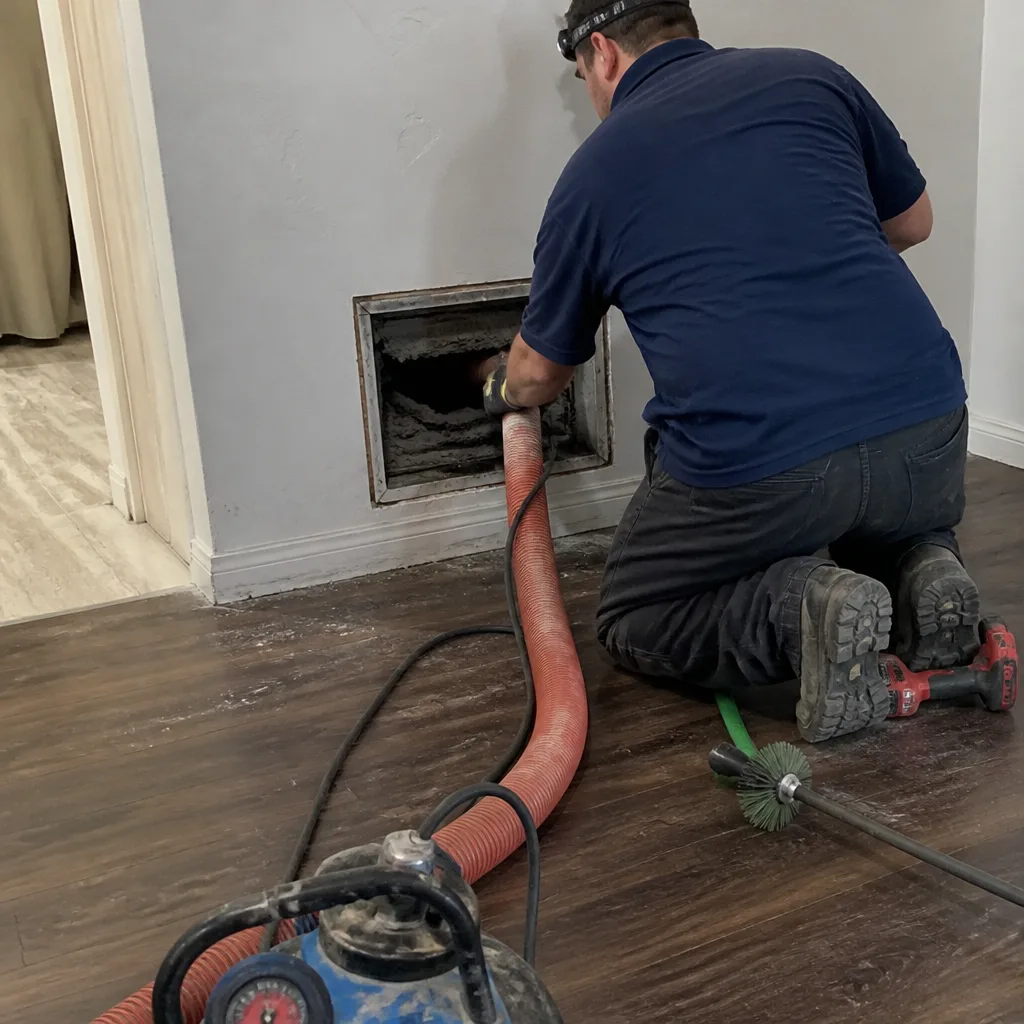 Before
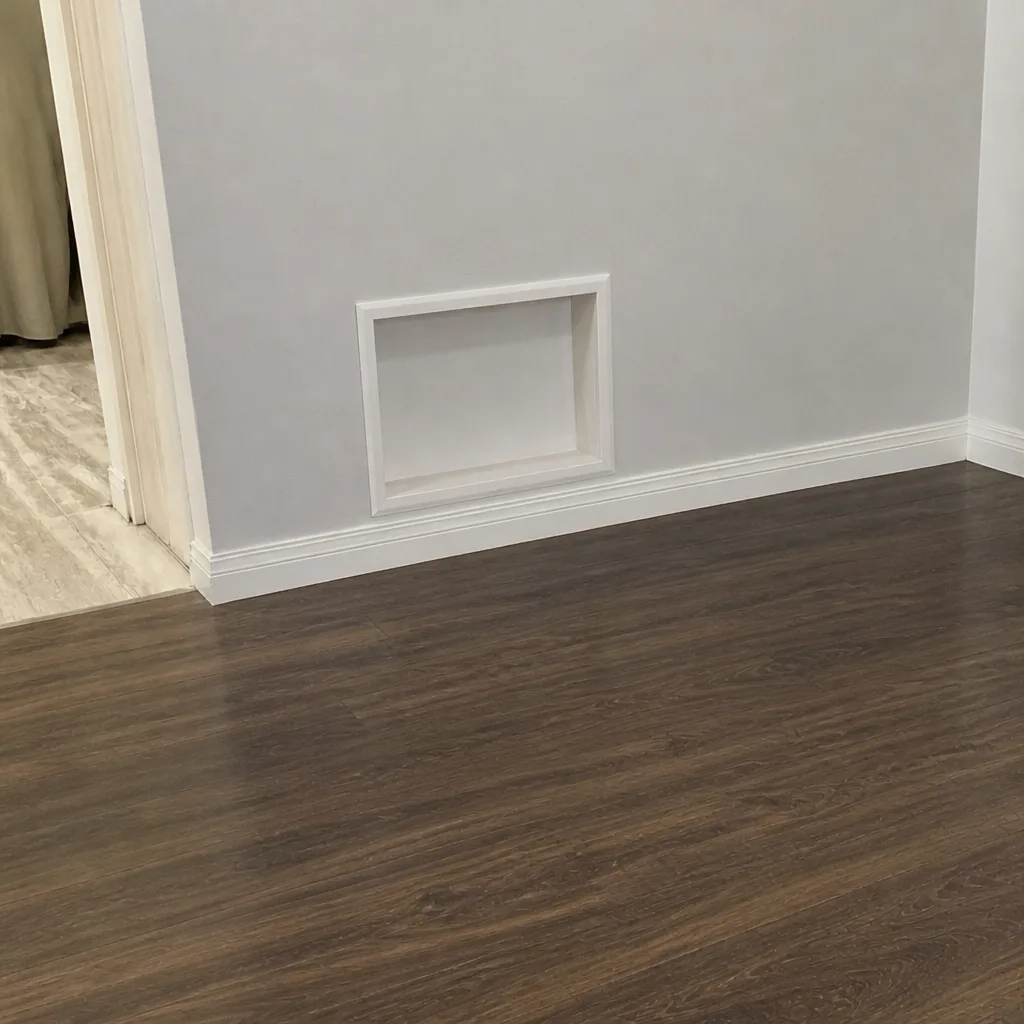 After
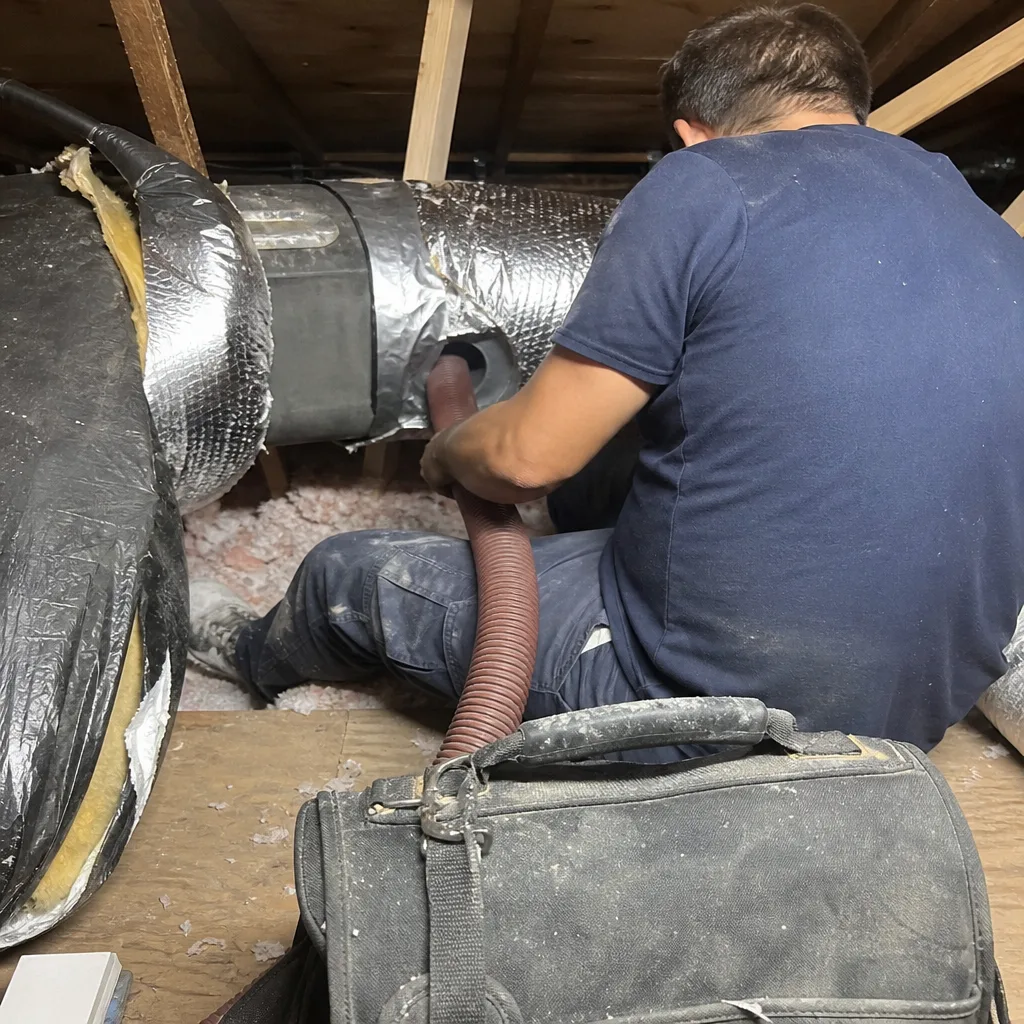 Before
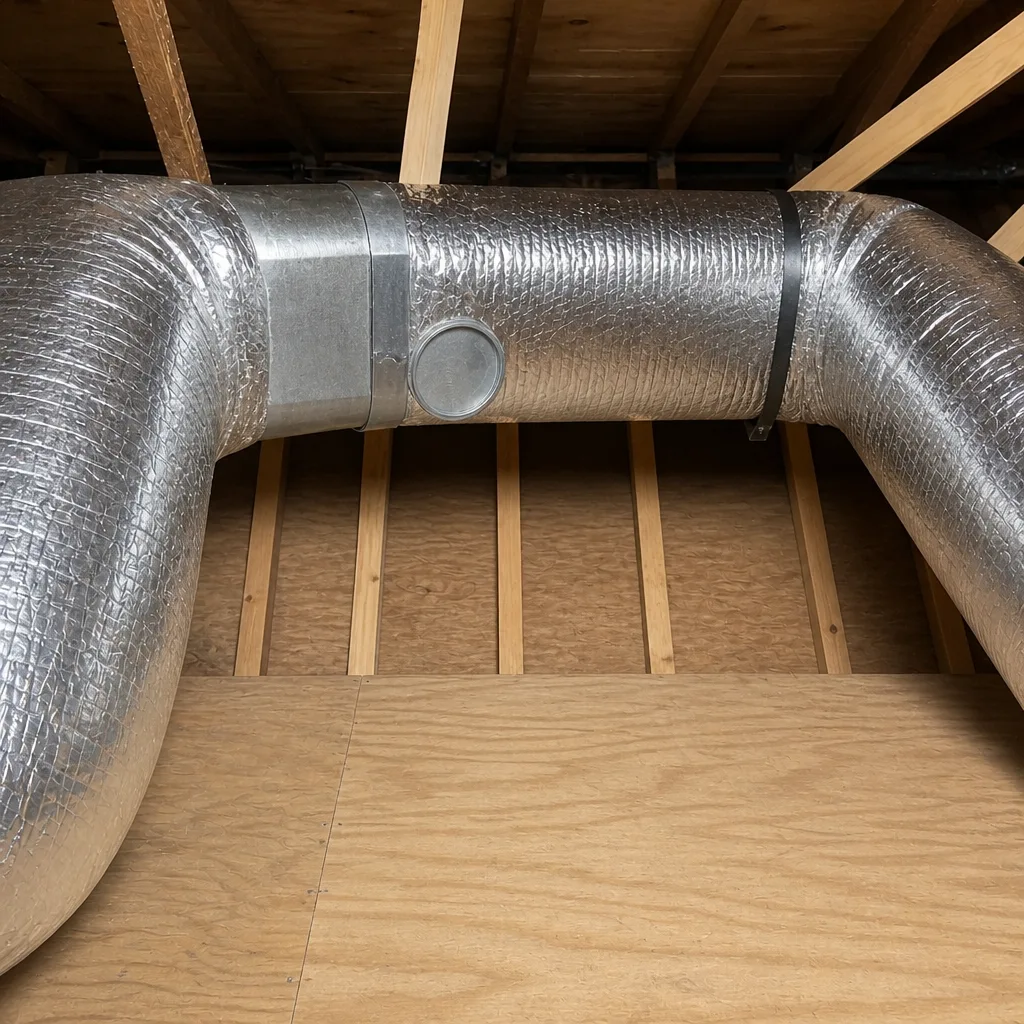 After
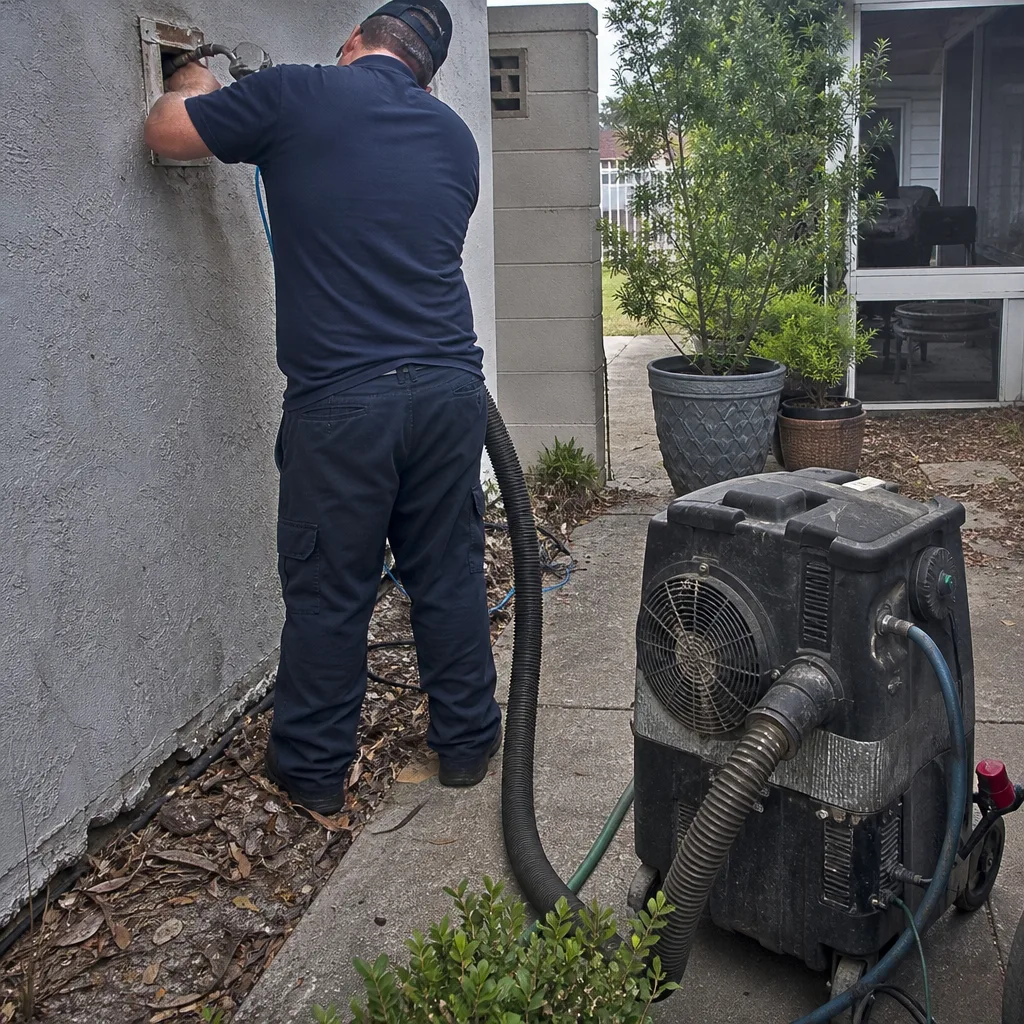 Before
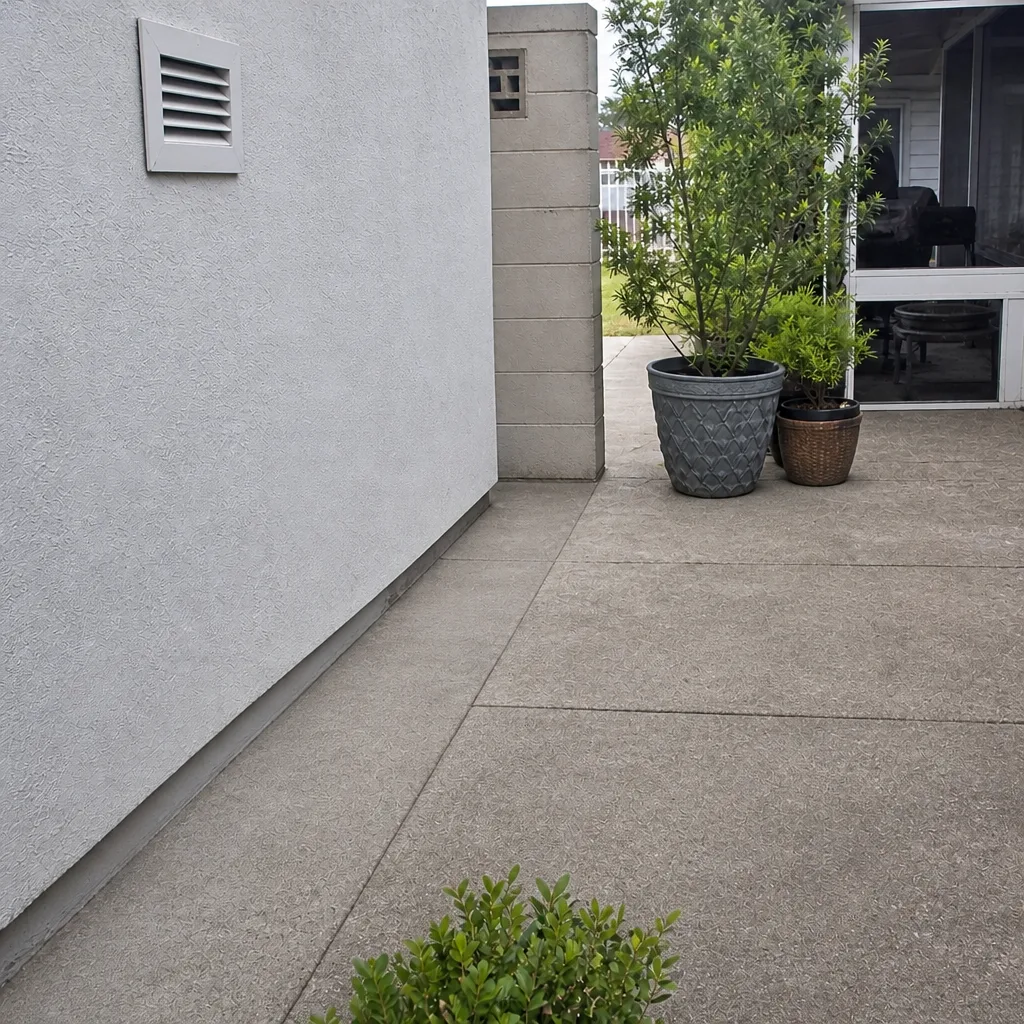 After
When to Call a Professional
If your inspection turned up more than light surface dust, if you’ve recently renovated, if someone in the house has respiratory concerns, if there’s any sign of moisture or musty odor, or if it’s simply been five years or more since the system was last cleaned, that’s the point to bring in professional equipment. DIY will not resolve any of those situations. Shield Air Duct Cleaning offers free estimates in the St. Petersburg area – call (855) 967-4983. We answer 24/7, with fast dispatch from 7am to 7pm, Sunday through Friday. Every job is quoted by written estimate before work starts, with a flat price per system and no per-vent pricing. You’ll see before-and-after photos of your own ducts when we’re done.
Frequently Asked Questions
Pricing is set per system, not per vent, based on the size of the home and how many HVAC systems it has. That’s why you’ll see a wide range across the market, and why the only number that matters is your written estimate. Call (855) 967-4983 for a free estimate; the quote is what you’ll pay, no surprises added after the technician arrives.
Usually because the low number doesn’t cover the actual work. A promotional price on a mailer or a coupon is often calculated to get someone to the door, with the real scope negotiated after arrival. The equipment matters too: consumer-grade vacuums marketed as professional systems cost far less to buy and less to run, and they clean less. Ask what equipment is being used and what the price covers before you book. Call (855) 967-4983 for an honest, written quote.
Before-and-after photos of your own duct interior, taken during the job. That’s the standard we hold ourselves to, and it’s the check any homeowner should ask for. No photos means no way to verify. Call (855) 967-4983 and we’ll walk you through what documentation you’ll receive.
Most homes don’t need a cleaning on a fixed schedule. The triggers matter more than the calendar: after a renovation, after a move into a home with unknown history, when you notice a change in airflow or smell, or when the system hasn’t been cleaned in five years or more. Florida’s humidity adds a reason to act sooner when you notice moisture or musty odor. Call (855) 967-4983 if you’re not sure which category you fall into.
Yes, and for some homes that’s genuinely the right call. Register and return grille cleaning plus regular filter changes is a legitimate maintenance routine. What it won’t do is clean the duct interiors, the plenum, or the coil. If your inspection shows those areas are in reasonable shape, you’re fine with the DIY routine. If they’re not, the register work is cosmetic. Call (855) 967-4983 for a free assessment if you want a second opinion on what you’re seeing.
There’s no guarantee. What a proper cleaning does is remove accumulated dust, debris, and contaminants from the duct system, which reduces what the system can redistribute into the air. For households with respiratory concerns, that’s a reasonable step, not a medical solution. If allergies are the main driver, we recommend a professional assessment first so you can make the decision with real information. Call (855) 967-4983 for a free estimate in the St. Petersburg area.
The Bottom Line
DIY duct cleaning is worth doing at the register and grille level. It’s not a substitute for professional cleaning of the duct system itself, and it physically cannot be, because the equipment can’t create the pressure differential the job requires. If your home is post-renovation, if there’s any sign of moisture or musty odor, if you’re dealing with respiratory concerns, or if the system hasn’t been cleaned in five years or more, the question has already been answered. Professional-grade equipment, a written estimate before work begins, and before-and-after documentation are what separate real duct cleaning from surface work. For a free estimate in St. Petersburg, call (855) 967-4983. We answer 24/7, with fast dispatch from 7am to 7pm, Sunday through Friday.
If you live in one of St. Petersburg’s neighborhoods with older housing stock where ducts were routed through attic spaces, the interior lining inspection we do during a cleaning often turns up details worth knowing about. Whether you decide to book with us or handle it yourself, do the ten-minute inspection and see what the ducts actually look like. The whole decision hinges on what you find.
For overgrown dryer vents, the same rule applies but the stakes are higher: that’s fire safety, not cleanliness. Dryer vent work is a separate scope from duct cleaning, and doing both in the same visit is often the most efficient way to handle the air system as a whole. If you’re not sure whether your dryer vent needs attention, ask when you call. It’s a quick question with a clear answer.
We treat every job as a protection service, not a line item. The Shield standard is a clean system, documented work, and a homeowner who knows what was actually done. That’s the standard we invite you to measure any quote against, ours included.
Written by the team at Shield Air Duct Cleaning.