
Last updated November 15, 2026
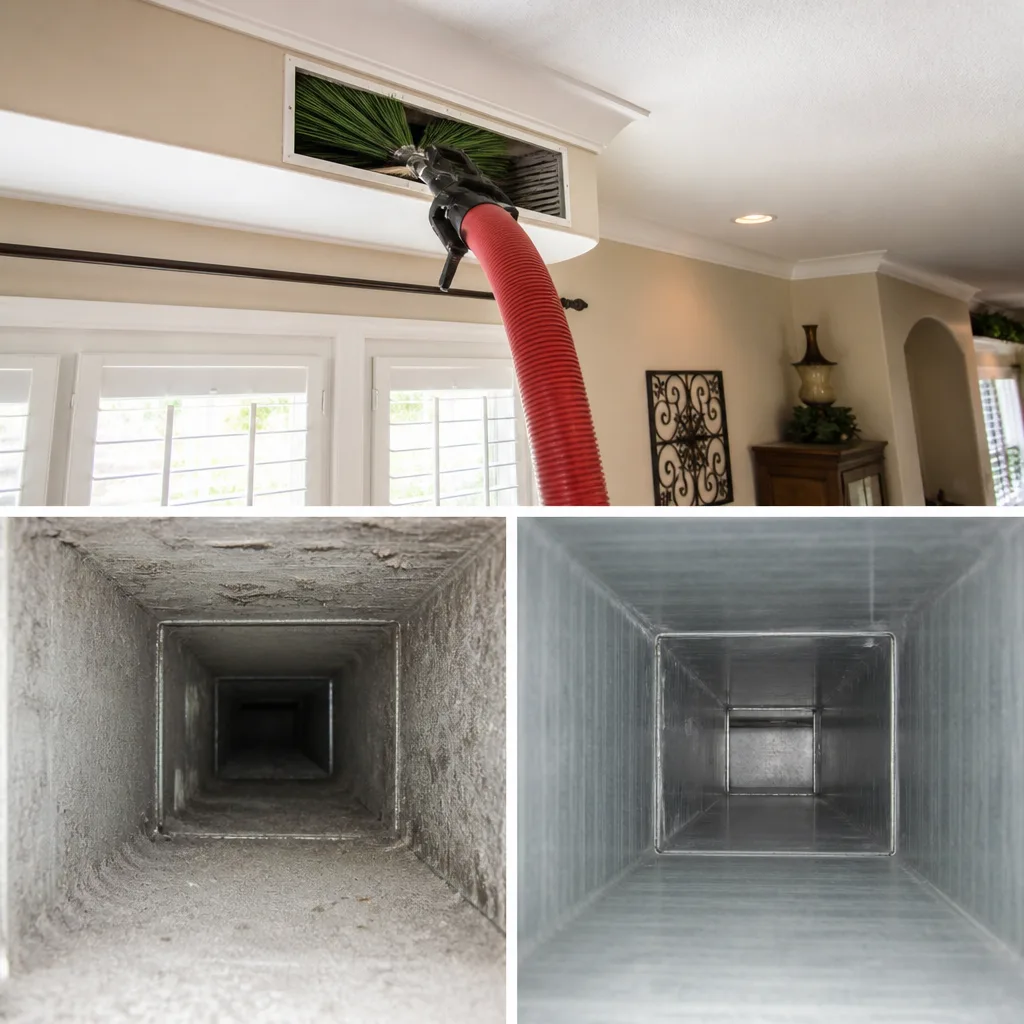 Whole-home duct cleaning
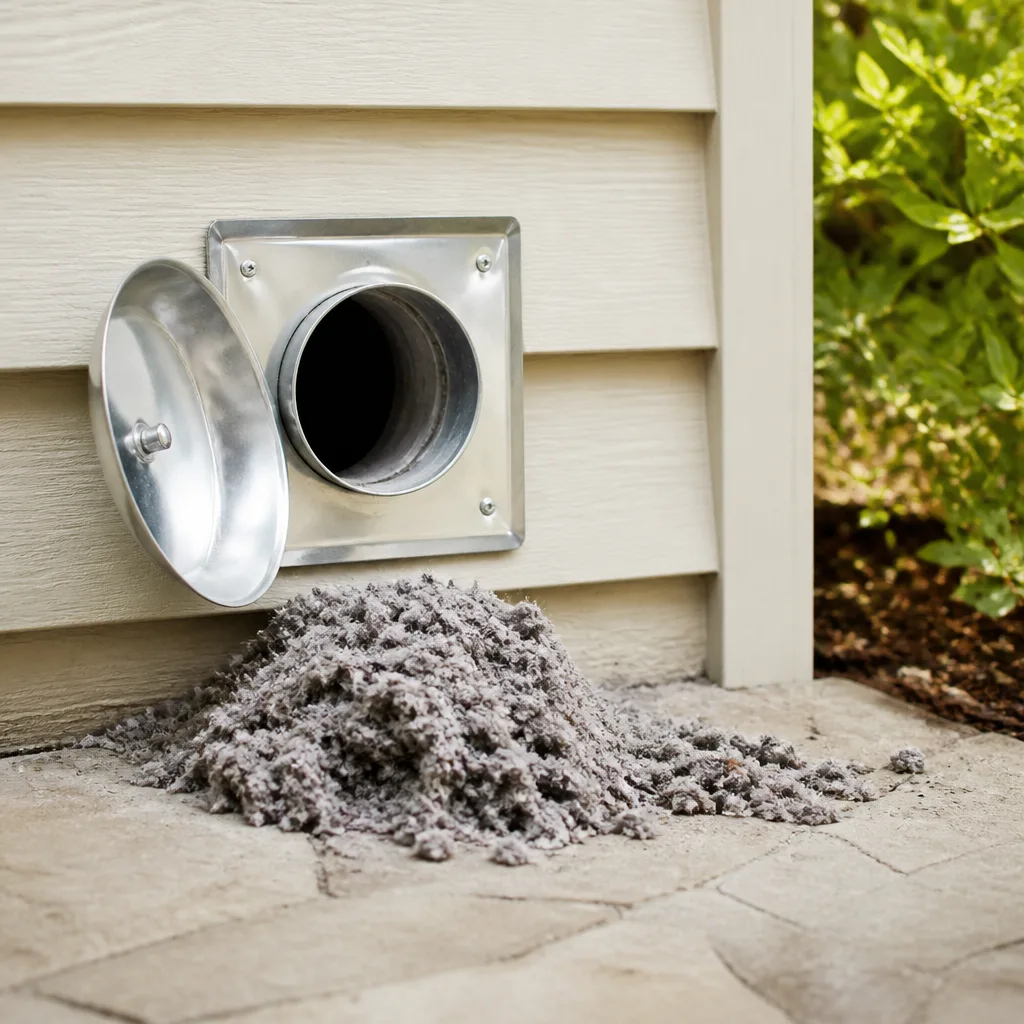 Dryer vent cleaning
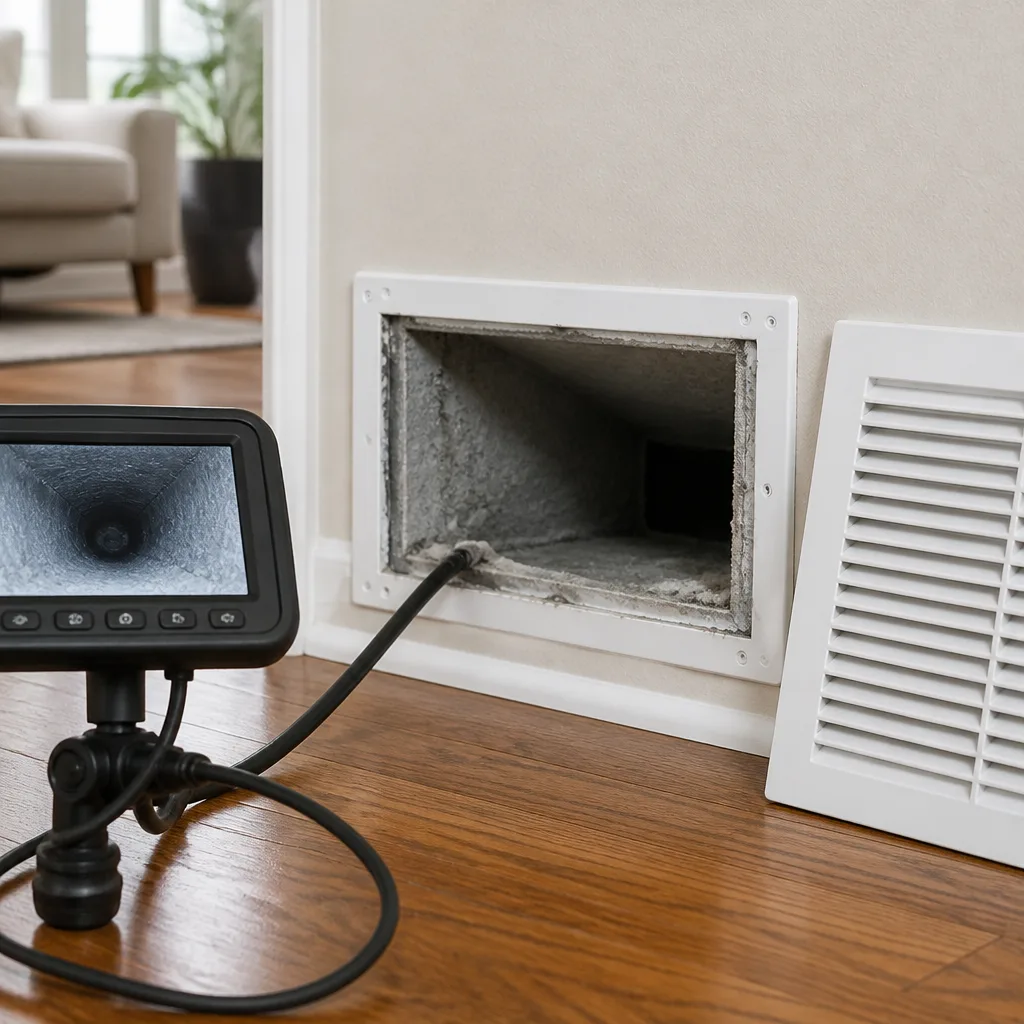 Camera inspection
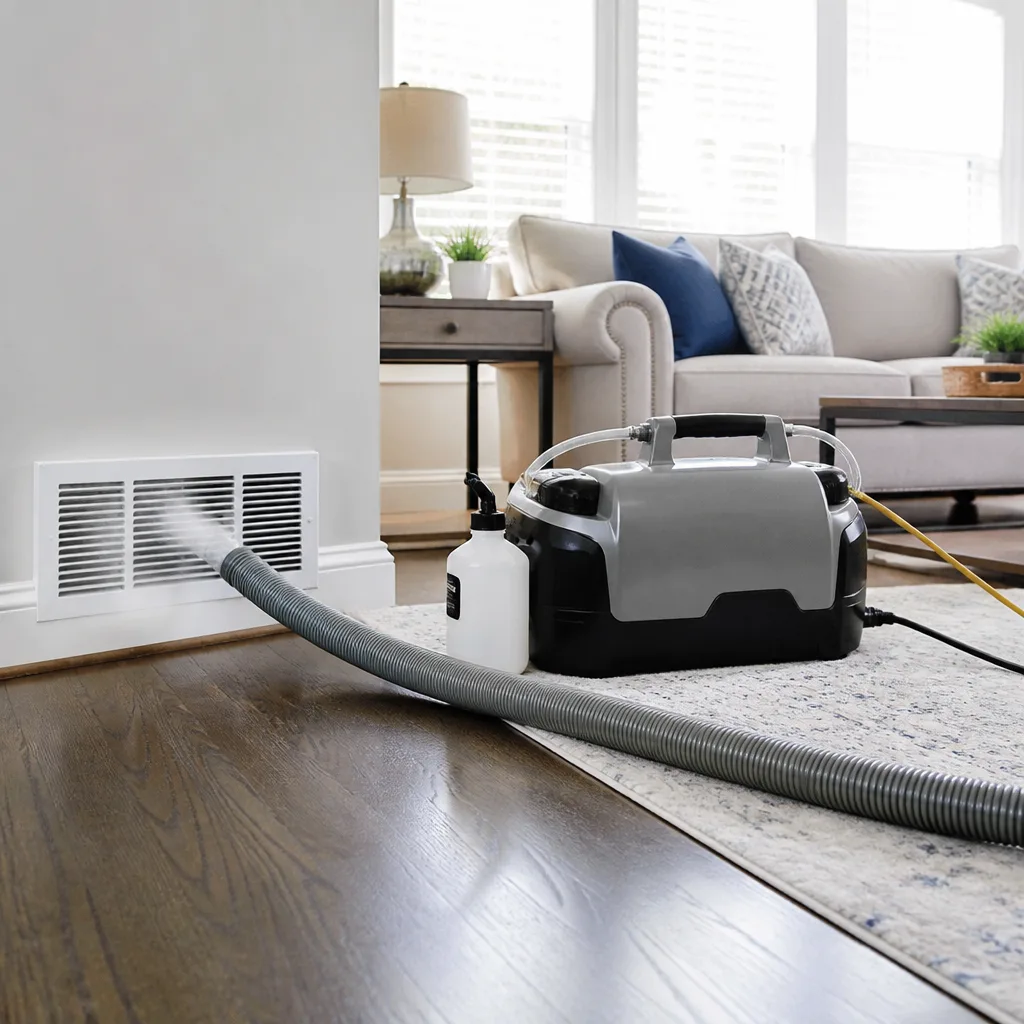 Sanitizing & deodorizing
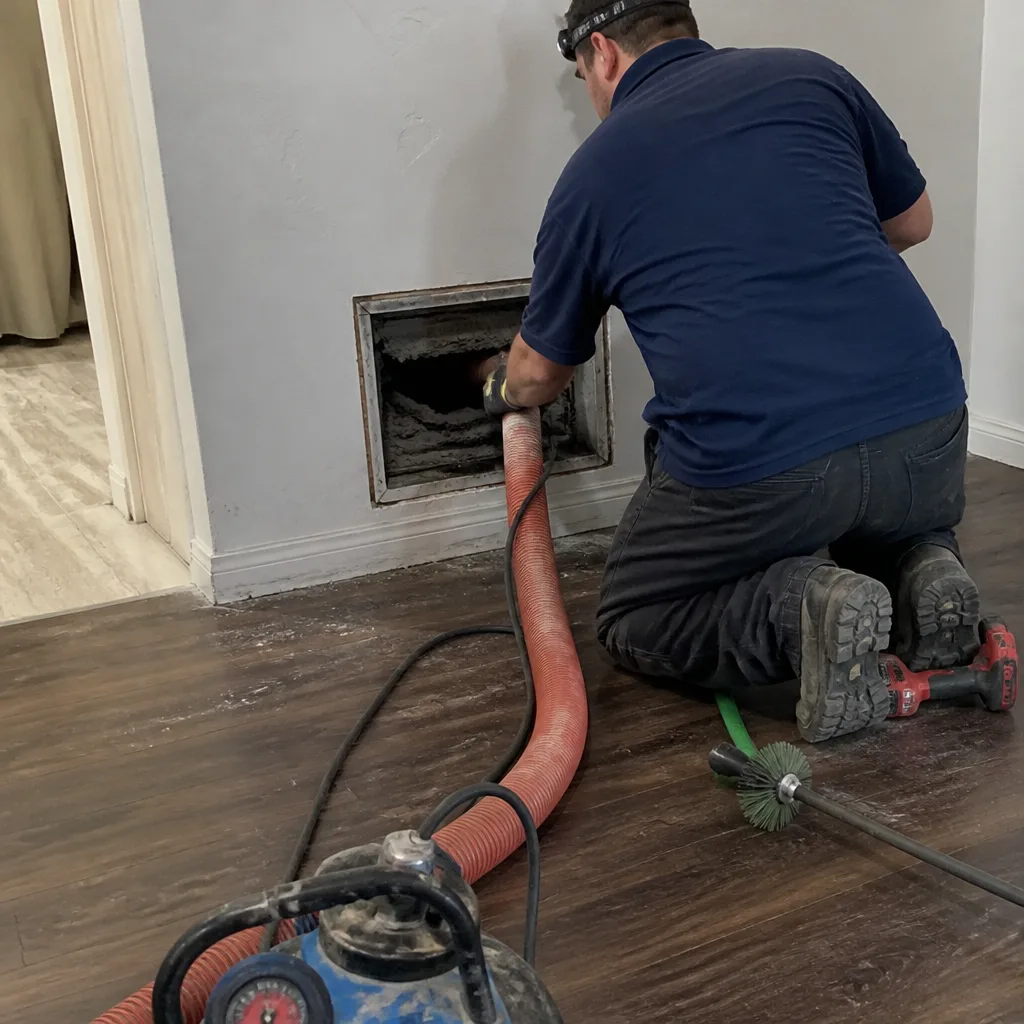
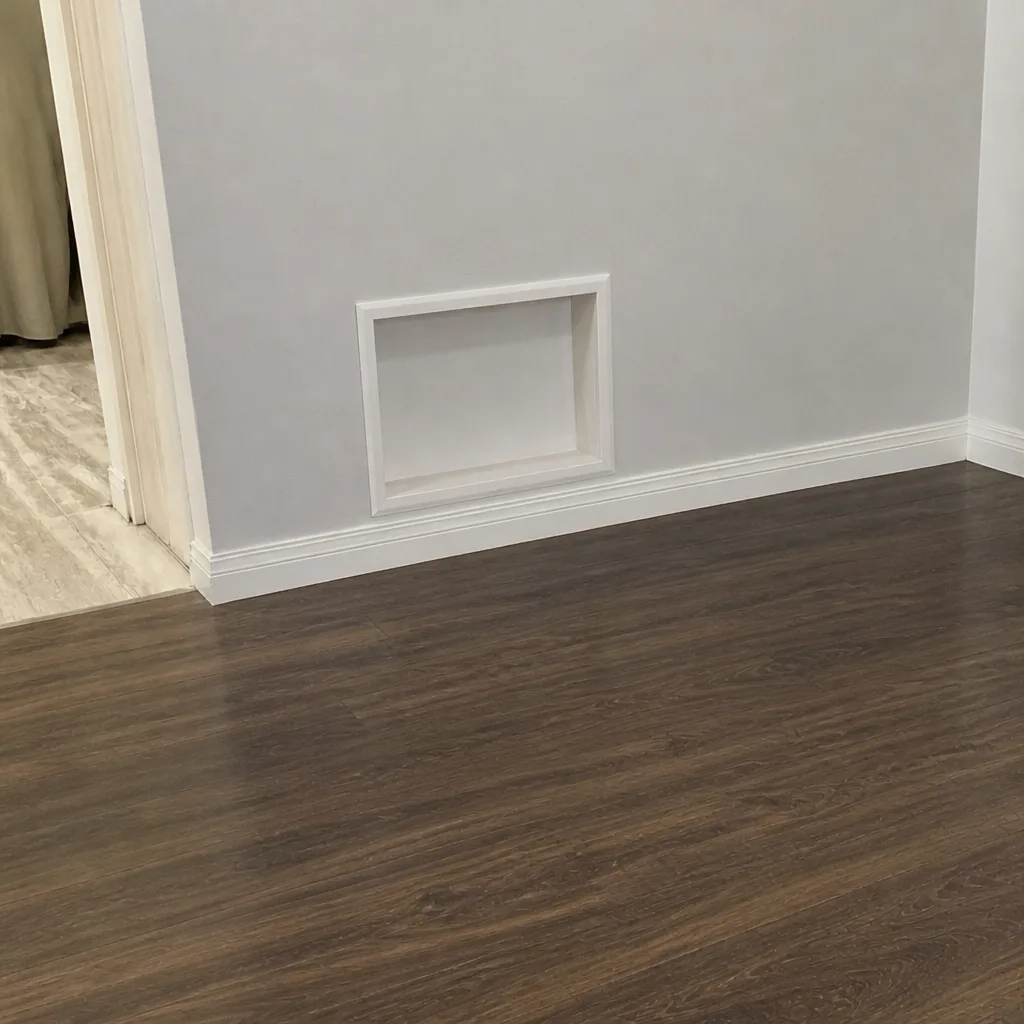
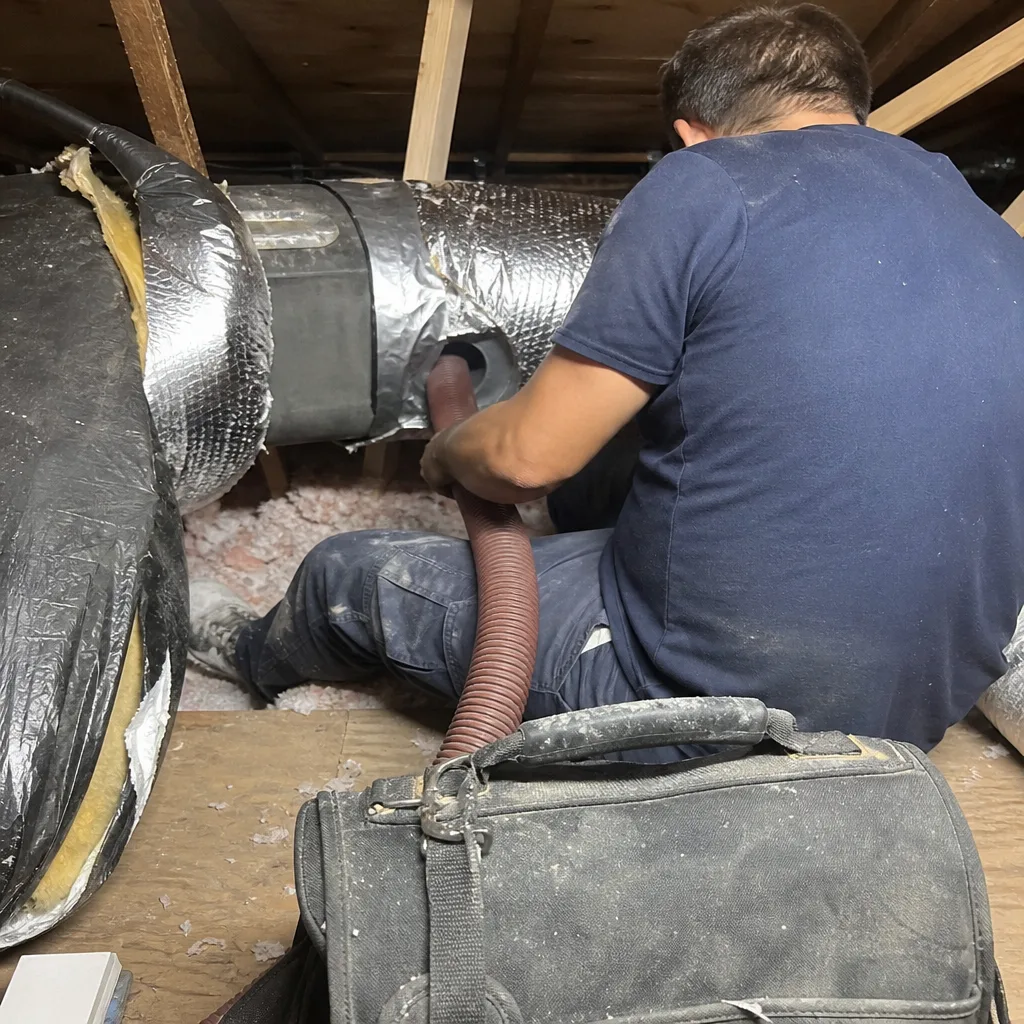
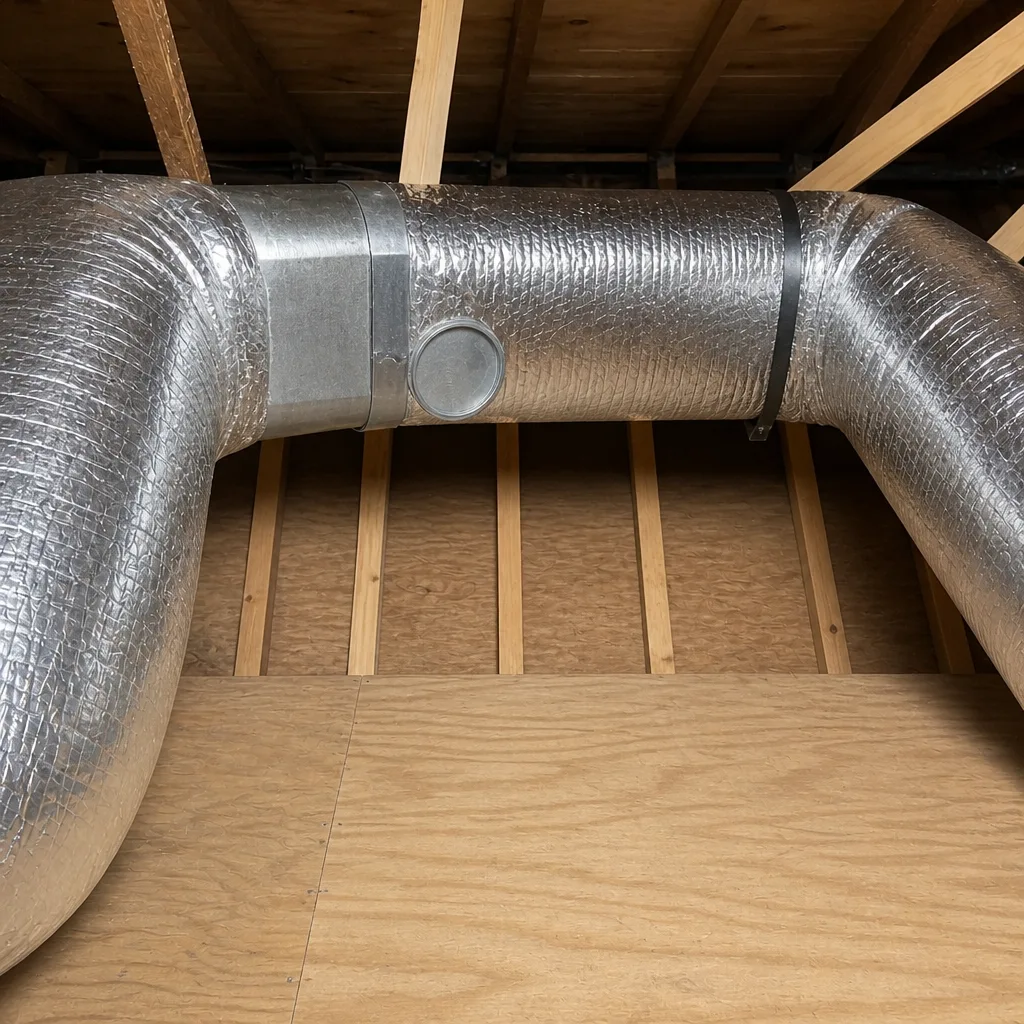
Whole-system duct and dryer vent check with before-and-after photos - you see exactly what came out of your vents
That "$99 whole-house special" is a bait ad - the real number appears once they are in your hallway, or the "clean" is a shop-vac at the register. We photograph the inside of your ducts before and after instead.
How to Hire an Air Duct Cleaning Contractor in St. Petersburg: A Step-by-Step Guide
A contractor in Florida can legally offer air duct cleaning with no specialized certification, no requirement to own commercial equipment, and no post-service verification standard. That’s the part most homeowners never hear. It means “licensed and insured” tells you almost nothing about what will actually happen inside your ducts once the van is in the driveway. Hiring well in St. Petersburg comes down to asking the right questions and knowing what the answers should sound like. This guide walks you through the equipment checks, the scope-of-work language, the camera inspection ask, and the bait-and-switch patterns that show up in quotes around here. By the end, you’ll know how to separate a contractor who protects your air system from one who just runs a vacuum.
Quick Answer
To hire an air duct cleaning contractor in St. Petersburg, verify the equipment (Rotobrush, Nikro, or Abatement Technologies systems signal commercial-grade capability), request a pre-cleaning camera inspection, and get a written scope of work covering access points, agitation method, and containment. Treat NADCA membership as a minimum credibility threshold, not a guarantee. Never accept a quote that prices by the vent or that can’t tell you what equipment will be used.
Styles & brands we work with
- Whole-home duct cleaning
- Dryer vent cleaning
- Camera inspection
- Sanitizing & deodorizing
Table of Contents
- Why “Licensed and Insured” Doesn’t Mean What You Think
- The Equipment Question: Three Names That Separate Pros from Pretenders
- How to Ask for a Pre-Cleaning Camera Inspection (and Read It)
- What NADCA Membership Actually Requires
- Bait-and-Switch Patterns in the St. Pete Discount Market
- How to Structure a Written Scope of Work
- The Seven-Step Hiring Process
- Clean vs. Repair: Why the Right Contractor Can Do Both
Why “Licensed and Insured” Doesn’t Mean What You Think
Florida doesn’t license air duct cleaning as a standalone trade. A contractor performing this work is typically operating under a general contractor or mechanical license, or as an unlicensed service provider. The state doesn’t require a duct-cleaning-specific certification, doesn’t mandate commercial-grade equipment, and doesn’t inspect the result. So when a company says “licensed and insured,” it’s a baseline starting signal, not a proof of capability. You still have to do the vetting.
This is where a lot of homeowners in St. Petersburg get caught. A new build off Gandy Boulevard and a 1950s bungalow near Crescent Lake have very different duct layouts, different levels of accumulated debris, and different repair needs – but the same low-bid operator will quote them both the same flat “$99 whole house” and deliver the same ten-minute surface pass.
The vetting process falls on you because there’s no regulatory backstop. That means you need to ask specific questions about equipment, methodology, and verification, and you need written answers. Not verbal. Written. A contractor confident in their process will put it in the estimate.
What “licensed and insured” does tell you:
- The contractor carries liability insurance, which matters if a duct gets damaged or a ceiling gets scuffed.
- Workers’ compensation coverage, which protects you if someone is hurt on your property.
- Some baseline business legitimacy – a registered entity that can be looked up.
What it doesn’t tell you is anything about the equipment in the van, the training level of the technician, or whether they’ll document what they find. Those are the questions the rest of this guide answers.
The Equipment Question: Three Names That Separate Pros from Pretenders
A serious duct cleaning operation will name its equipment without hesitation. Three names come up consistently in legitimate professional work: Rotobrush, Nikro, and Abatement Technologies. Each represents a different level of capability, and knowing what each does helps you evaluate whether the contractor on the phone actually knows their trade.
Rotobrush makes the industry’s most widely recognized portable duct-cleaning system. It uses a rotating brush head on a flexible shaft, paired with a high-powered vacuum, to agitate and extract debris from inside the duct walls. The brush-and-vacuum combination is what separates real cleaning from a suction-only pass. If a contractor only shows up with a vacuum hose and no agitation tool, they’re dusting, not cleaning.
Nikro produces professional-grade negative-air machines, HEPA filtration units, and high-CFM vacuums used by commercial HVAC contractors. Nikro equipment shows up in healthcare facility cleaning and post-remediation work. When a duct cleaner uses Nikro or comparable equipment, they’re operating at a containment level where dislodged debris is captured, not redistributed through your house.
Abatement Technologies is the name that signals HEPA-level containment and negative-air capability. Abatement equipment is used when contamination control actually matters – after a renovation, after water damage, or in a duct system with visible microbial growth. If a contractor can explain what negative-air containment means and why it matters, they know their trade. If they can’t, that’s your answer.
At Shield Air Duct Cleaning, every job runs on Rotobrush and Nikro systems, and we deploy Abatement Technologies equipment when a job calls for genuine contamination control. That’s our baseline, not an upgrade. If you’re comparing quotes for air duct cleaning in St. Petersburg, ask each contractor to name their system. A confident, specific answer is the single fastest credibility check you can run.
Specific questions to ask on the phone:
- What agitation method do you use? (Correct answer: mechanical brush or compressed-air whip, not just vacuum suction.)
- What’s the CFM rating on your vacuum system? (A commercial unit should be in the thousands of CFM, not a shop vac.)
- Do you have negative-air or HEPA containment equipment? (Correct answer: yes, and they can name it.)
- Will you show me the equipment before starting?
Any contractor who can’t answer these with specific names or specifications is either unqualified or hiding something. Neither is worth the phone call.
How to Ask for a Pre-Cleaning Camera Inspection (and Read It)
A camera inspection isn’t a sales gimmick – it’s a diagnostic step, and requesting one tells you a lot about the contractor. Before any cleaning happens, a professional should be able to show you the inside of your duct system. A small inspection camera on a flexible line drops into a return duct or a supply plenum, and the technician connects it to a monitor.
What you’ll see depends on the house. Older St. Petersburg homes – especially anything within a few blocks of the water in neighborhoods like Old Northeast or Shore Acres – often show accumulated dust, deteriorated flex duct insulation, or disconnected joints that have been losing air into wall cavities for years. Newer construction tends to show less organic debris but more construction dust from drywall and framing. Either way, the point is that you get to see it before anyone claims it.
Here’s how to interpret the inspection:
- Fluid flex duct interior with dust coating: Normal for an untouched system. Cleaning will help.
- Deteriorated insulation shedding onto the air stream: This is a duct repair issue, not just a cleaning issue. The liner needs replacing.
- Disconnected or crushed duct runs: Air is not reaching the room. Cleaning won’t fix this – repair will.
- Visible microbial growth or standing water in the duct: This needs containment-level cleaning, and possibly a moisture investigation first.
If a contractor refuses to inspect before quoting, or quotes a low price sight unseen and then “discovers” a problem after starting, that’s a bait-and-switch setup. A camera inspection takes minutes and costs nothing. Any contractor who treats it as an obstacle instead of a diagnostic step is not protecting your home.
We run camera inspections on every Shield Air Duct Cleaning job, because the picture inside your ducts determines the scope, and the scope determines the scope of the written estimate. Doing it in the other order – quote first, look later – is how cheap operators make their money.
What NADCA Membership Actually Requires
The National Air Duct Cleaners Association (NADCA) is the closest thing to a standards body this industry has. It publishes the ACR standard – Assessment, Cleaning, and Restoration of HVAC Systems – which is the working manual for how professional duct cleaning should be conducted. NADCA also offers individual certifications and company membership.
Here’s the honest version: NADCA membership is a minimum credibility threshold, not a guarantee of a good job. A member has at least committed to a code of ethics, has access to the ACR standard, and typically employs at least one NADCA-certified technician (an ASCS – Air Systems Cleaning Specialist). That’s meaningful. It’s not a warranty of workmanship.
What NADCA membership tells you:
- The company has signed onto an industry code of ethics.
- They have access to the ACR standard and, typically, train technicians to it.
- They carry liability insurance as a membership requirement.
- They have a professional address, phone, and business record you can verify.
What it doesn’t tell you:
- Whether the specific technician arriving at your house is trained to standard.
- Whether the equipment in the van is commercial-grade.
- Whether you’ll get before-and-after photos, a written scope, or a camera inspection.
So use NADCA membership as one input, not the whole score. If a contractor is not a NADCA member, ask whether they follow the ACR standard anyway. Many legitimate operators do without joining. If they don’t know what the ACR standard is, that’s a real problem – it’s the industry’s primary reference document.
St. Petersburg doesn’t have any local certification overlay beyond state licensing, so national standards are your only benchmark. Use them.
Bait-and-Switch Patterns in the St. Pete Discount Market
Discount duct cleaning in the St. Petersburg market follows recognizable patterns. Once you know them, they’re easy to spot. The most common is a very low advertised price – often a “$49 whole house” or “$99 air duct cleaning” coupon – that becomes a dramatically larger invoice once the technician is inside the door.
The mechanism is consistent. The low price buys a vacuum pass over the return vents. The technician then “discovers” that one or more ducts need additional service: sanitizing, microbial treatment, dryer vent extension, or line-item add-ons. Each add-on runs more than the original quote. Homeowners who decline the add-ons find the work stops there, with the original $49 covering essentially a brief surface pass. Homeowners who accept them find the final invoice several multiples of what they thought they were buying.
Common red flags in a St. Petersburg duct cleaning quote:
- Per-vent pricing. Professional work is priced per system, not per vent, because a system includes the trunk lines, plenums, boots, and every run. Per-vent pricing hides the real work.
- Unsolicited “free” inspections that always find a problem. If the inspection is a sales tool, the diagnosis is a script.
- Pressure to sign on the spot or “lock in today’s price.” Legitimate contractors don’t need same-day urgency to close.
- No written scope of work. A verbal promise isn’t a scope. If it isn’t on paper, it isn’t what will happen.
- Sanitizing presented as standard. Sanitizer is an add-on for specific situations, not a default. If it’s in the base price, look at what was cut to fit it there.
- Quote given before inspection. You can’t scope a job you haven’t seen.
The bait-and-switch isn’t just about money. Because the low price doesn’t cover real work, the actual cleaning is short, containment is bypassed, and the debris you paid to remove ends up dispersed through your living room. The one flat price per system, agreed before work starts, is the antidote. At Shield, we quote a whole-system price in writing, stick to it, and photograph the ducts before and after so you can see what changed. That’s the Shield-standard clean – not a discount coupon that expands at the door.
How to Structure a Written Scope of Work
A written scope of work is the contract that holds a contractor accountable. It should be specific enough that you can check the work against it at the end of the job. A vague one-sentence scope (“Clean all air ducts”) protects the contractor, not you.
What a proper scope of work should specify:
- Access points and count. How many supply and return registers will be opened? Will the contractor remove and trim access holes, and how will those be sealed afterward?
- Agitation method. Mechanical brush, compressed-air whip, or combination – named explicitly. Not “cleaned.”
- Containment protocol. Negative-air machine placement, HEPA filtration, and how debris is captured at the vacuum source.
- Equipment list. Rotobrush, Nikro, Abatement Technologies – by name, with CFM ratings if the contractor has them handy.
- Before-and-after documentation. Photos of each access point, taken by the contractor, delivered to you.
- Post-cleaning verification. Camera re-inspection at the same points that were inspected before cleaning.
- Repair findings. Any disconnected, crushed, or deteriorated duct runs noted with photos and a written repair estimate – separate from the cleaning price.
- Price and payment terms. One flat price per system, with add-on items listed separately and declined in advance, not upsold on site.
Ask every contractor for this in writing before scheduling. Any contractor confident in their process will produce it without argument. Any contractor who finds the request unreasonable is telling you something about how their process works.
A plenum-to-register scope – trunk lines, boots, returns, and plenums included – is what separates real whole-system cleaning from the vent-only pass. Confirm the scope covers the entire path the air takes from HVAC equipment to the rooms you live in. Anything less isn’t a whole-system job.
If you’re booking duct service in St. Petersburg and want a straight answer on what a written scope should include for your specific system, call us and we’ll walk through every line before you sign anything.
The Seven-Step Hiring Process
Here’s the sequence that produces good outcomes. It works for any contractor, in any part of St. Petersburg, on any house.
- Shortlist three contractors. Mix national chains, local independents, and one company specifically recommended for professional equipment rather than low price. Avoid any contractor whose lead offer is a coupon.
- Ask the equipment question on the phone. “What agitation tool and vacuum system will you use?” A contractor who can name Rotobrush, Nikro, or Abatement Technologies – or their own equivalent – is worth a site visit. A contractor who says “we have professional equipment” without naming it is not.
- Request a pre-cleaning camera inspection. Before any quote is written. Watch what the camera shows and ask what it means.
- Get a written scope of work. Confirm access points, agitation method, containment, documentation, and price per system. Decline add-ons in writing if you don’t want them.
- Compare flat prices, not coupons. Whole-system price versus whole-system price. If one number is dramatically lower, understand what’s missing before choosing.
- Confirm the documentation plan. Before-and-after photos and a post-cleaning camera verification. Ask who takes the photos and when you’ll receive them.
- Book, then check the work against the scope. When the technician finishes, verify the photos match the scope and ask for the camera verification walk-through before payment.
Each step is a filter. Contractors who clear all seven are legitimate. Contractors who balk at any one of them are unlikely to deliver good work at any price.
Clean vs. Repair: Why the Right Contractor Can Do Both
Cleaning a duct system whose joints are disconnected, whose flex liner is deteriorated, or whose trunk line has collapsed is wasted work. The air is leaking into a wall cavity before it ever reaches the room, and the debris you paid to remove returns through the same breach within months.
This is why hiring a contractor with air duct repair capability matters. Cleaning finds the problem; repair fixes it. If a contractor only cleans and walks away, you’re left calling a second company for dryer vent cleaning or duct repair, paying for another diagnostic, and starting over. Having cleaning, dryer vent service, and structural duct repair under one company name shortens that loop.
What duct repair covers:
- Reconnecting and resealing disconnected duct joints.
- Replacing deteriorated flex duct liner and damaged boots.
- Rerouting crushed or pinched duct runs that are restricting airflow.
- Sealing leaks at plenums and trunk line joints.
- Fixing improper insulation that’s shedding into the air stream.
Our technicians have up to 12 years of experience with these systems, and we also work on filtration and indoor air quality components – Honeywell and Aprilaire systems among them – so we can recommend whether your filtration is doing the job before the ducts get dirty again. Some homes need a better return-air filter more than they need another cleaning.
If you own a home in St. Petersburg that’s more than twenty or thirty years old, ask for a repair assessment alongside the cleaning quote. If the technician finds something, it’s cheaper and cleaner to fix it now than to re-clean in eighteen months.
Common Mistakes to Avoid
- Choosing on coupon price alone. The cheapest advertised price is almost always the entry point to a larger invoice. Ask for the whole-system price in writing before you book.
- Not asking what equipment will be used. A vacuum-only pass is dusting. Without a mechanical agitation tool, the debris stuck to the duct walls stays stuck. Ask the equipment question on the phone.
- Skipping the camera inspection. Without it, you have no idea what condition your ducts are in, and no baseline to compare against after cleaning. Ask for it before any quote.
- Accepting a verbal scope. If the scope isn’t in writing, it doesn’t exist. Written scope and photos are the accountability mechanism.
- Confusing sanitizer with cleaning. Sanitizer is an add-on for a defined situation. If it’s front and center in the base price, look at what was trimmed to make room for it.
- Assuming cleaning fixes disconnected ducts. Cleaning is cleaning. If your ducts are crushed or the joints are open, they need repair, and the contractor you hire should be able to do both.
- Not verifying the work. Ask for before-and-after photos and a camera walk-through at completion. If the contractor can’t provide them, the work isn’t verified.
See the difference
 Before
 After
 Before
 After
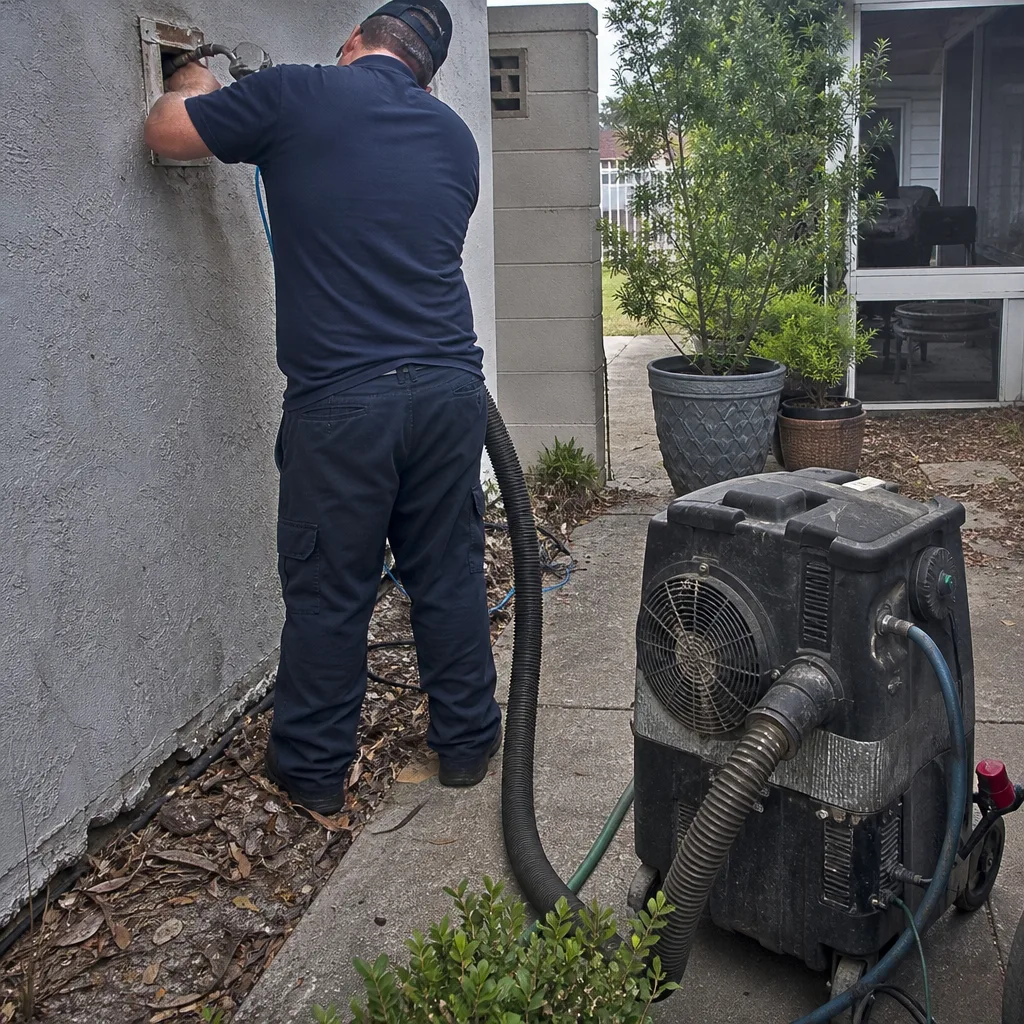 Before
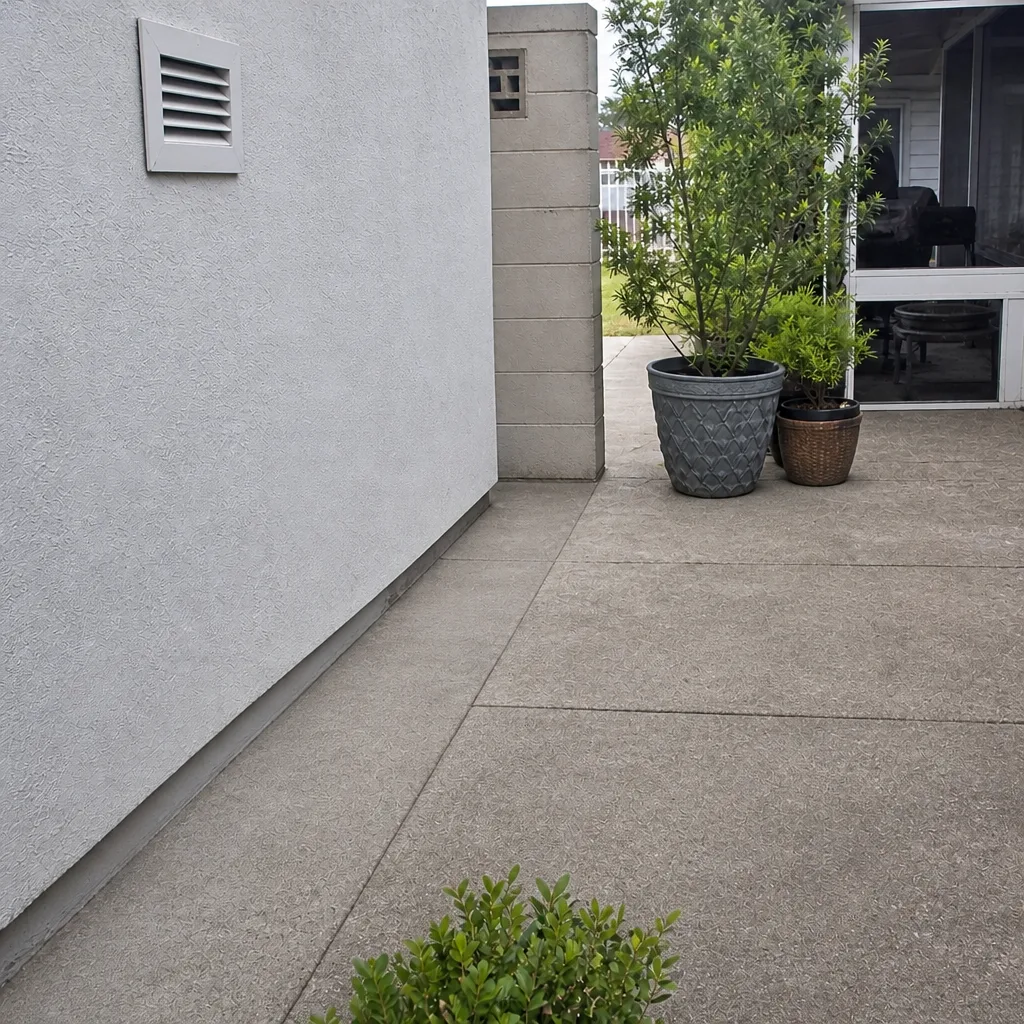 After
When to Call a Professional
Duct cleaning isn’t a yearly ritual – most homes go years between cleanings without a problem. The scenarios that actually warrant a call: after a major renovation that produced drywall dust and construction debris; after a home purchase, especially on older housing stock where the previous owner’s maintenance is unknown; when a household member’s allergies or asthma symptoms worsen indoors; when the HVAC system is running but airflow to specific rooms has dropped; when visible dust plumes come out of vents on startup; or when a dryer is taking more than one cycle to dry a load, which often points to a lint-clogged vent. In each case, the right response is a professional camera inspection and a written scope of work, not a guess. Shield Air Duct Cleaning offers free estimates in St. Petersburg – call (855) 967-4983 and we’ll walk through what you’re seeing and what a proper scope looks like for your system.
Frequently Asked Questions
Pricing depends on the system size, the number of access points, and the level of contamination, which is why a legitimate contractor prices per system rather than per vent. Per-vent teaser pricing is the pattern you want to avoid entirely. Call (855) 967-4983 for an exact quote – estimates are free.
Because they buy less work. A coupon-priced job typically covers a vacuum pass over the return vents without mechanical agitation, without containment, and without documentation – and the technician discovers additional “needed” services once they’re inside the door. The whole-system price agreed in writing before work starts is the reliable comparison. Call (855) 967-4983 for a written estimate you can actually compare to the others.
Before-and-after photos, taken by the contractor at each access point, and a camera re-inspection at the same points that were inspected before cleaning. Any contractor who resists providing both isn’t documenting their work. Call (855) 967-4983 and we’ll walk you through what our documentation looks like before you book.
Most homes go five to ten years between cleanings without a problem. Renovation, a new home purchase on older housing stock, or a specific indoor-air-quality concern are the reasons that actually warrant it – not a calendar interval. Call (855) 967-4983 and we’ll tell you honestly whether your system needs it now or can wait.
Florida doesn’t license duct cleaning as a standalone trade, and no separate permit is required for the cleaning itself. General contractor or mechanical licenses and insurance may apply depending on the scope. That gap is exactly why the homeowner’s own vetting matters. Call (855) 967-4983 if you want us to walk through what to verify before you book anyone.
Both. Cleaning finds the problem – disconnected joints, deteriorated flex liner, crushed runs – and repair fixes it. Having both under one company name shortens the loop and saves you a second diagnostic. Call (855) 967-4983 for a combined estimate.
The Bottom Line
Hiring a duct cleaner in St. Petersburg comes down to a handful of questions that a legitimate contractor answers without hesitating: what agitation tool, what vacuum system, what containment, what’s the written scope, what documentation, and what’s the price per system. A contractor who clears all six is worth the call. A contractor who balks at any one of them is telling you how the job will go. The industry’s lack of specialized licensing means you are the regulator, and the written scope is your enforcement mechanism. Use both. We clean it. We repair it. We protect it – and we back that up with a free estimate and a written scope before any work begins.
Call (855) 967-4983 for a free estimate. We answer 24/7. Fast dispatch from 7am to 7pm, Sunday through Friday.
Written by the team at Shield Air Duct Cleaning.